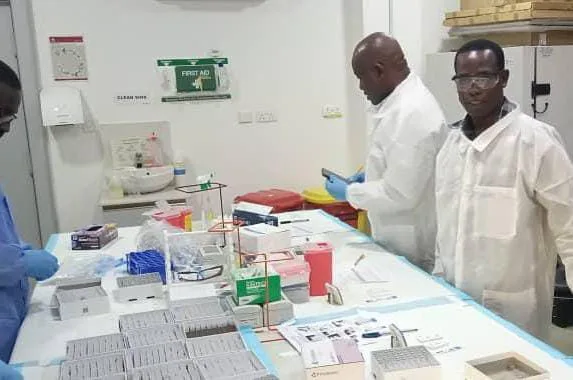
Clinical Laboratory Services Department
Molecular diagnostics and genomics, biorepository, TB laboratory services, equipment maintenance, training and quality improvement.
This department has the following units, Clinical Laboratory Training, Laboratory Equipment Maintenance, Molecular Diagnostics, Bio-repository Services, Quality Improvement, Clinical Laboratory TB Services, Molecular Genomics, and Field Operations.
Our work has been pivotal in the development of laboratory infrastructure in the country for quality diagnosis of HIV, TB and other infectious and non-infectious diseases in the country.
Achievements include;
- Supporting more than 100 tiered laboratories to implement a Quality Management System. These laboratories include Clinical Diagnostics, Molecular Diagnostics, TB Zonal/National References, and External Quality Assessment Laboratories.
- Establishing 17 PCR laboratories in the country with financial support from the US President’s Emergency Plan for AIDS Relief (PEPFAR) through Centers for Disease Control and Prevention (CDC). Two of the supported laboratories namely, the Plateau State Human Virology Research Center and the National Quality Assessment Laboratory (NEQAL) Saye – Zaria have achieved international accreditation.
- Collaborating with the National Tuberculosis Leprosy Control Program (NTBLCP), to establish a Bio-Safety Level 3 (BSL3) laboratory in Zaria. This facility is the main facility supporting surveillance for drug-resistant tuberculosis in the country.
- Offering technical assistance to the Nigerian Center for Disease Control (NCDC) yellow fever laboratory network and the National Laboratory Equipment Calibration Center through the Medical Laboratory Science Council of Nigeria (MLSCN) to achieve international accreditation.
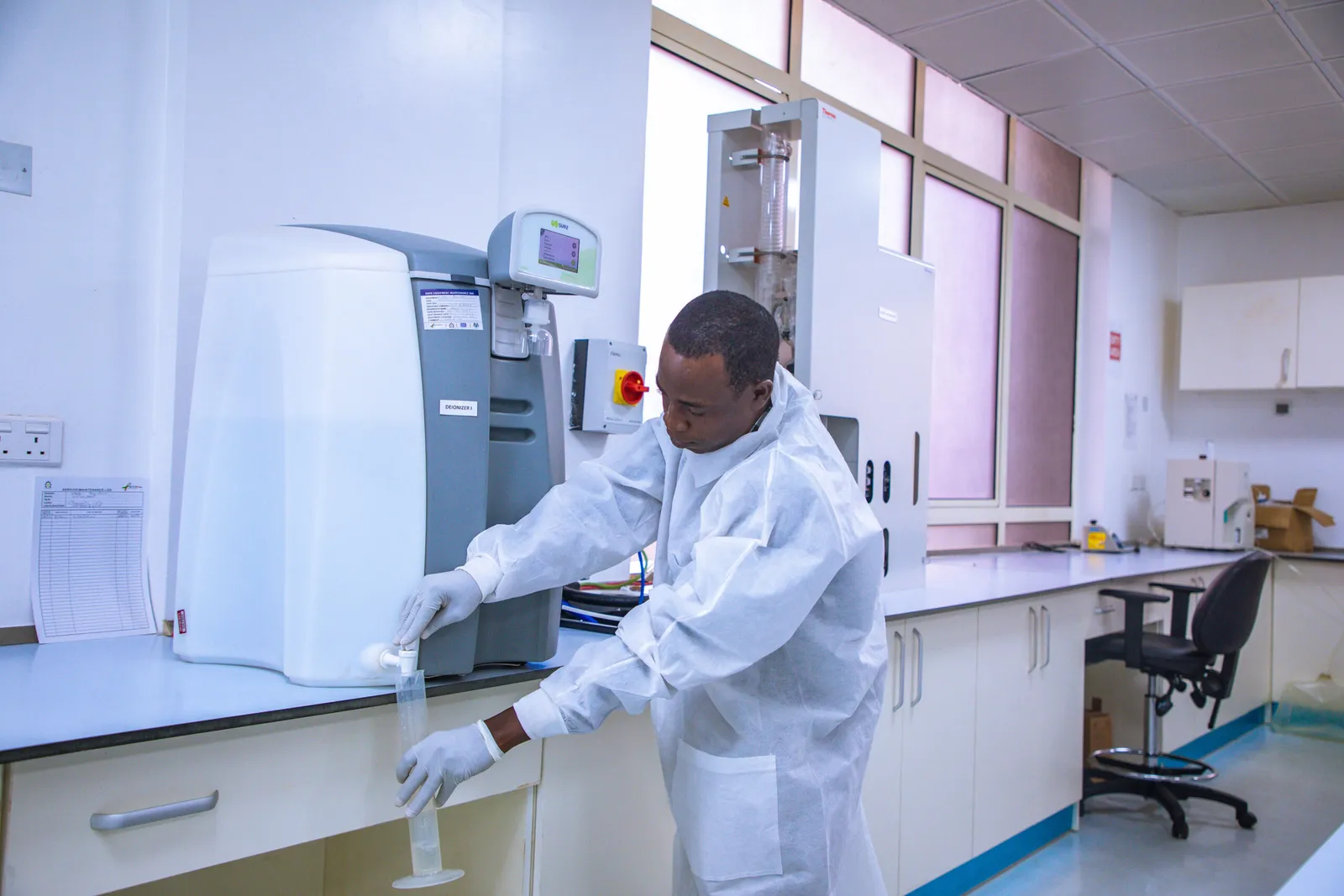
- Establishing a network of three bio-repositories (Abuja, Jos and Zaria) expanding to become the H3A West Africa Regional Biorepository providing support to 12 H3Africa funded projects and investigators in five African countries.
- Providing technical support to set up a functional National biorepository at the NCDC National Reference Laboratory in Gaduwa.
- Designing and setting up the National Influenza Laboratory at Asokoro District Hospital with funding from US-CDC.
- Providing Technical Assistance in the establishment of a functional Mega PCR laboratory at the National Reference Lab (NRL) coordinated through NCDC.
- Providing technical assistance to Antimicrobial Resistance (AMR) surveillance sites and National Reference Laboratories of NCDC in implementing the External Quality Assurance program, including the Veterinary diagnostic laboratories.
- Supporting the National TB and Leprosy Control Program in providing Proficiency Testing panels for AFB Microscopy, GeneXpert, Line Probe Assay, and TB Culture & Drug Susceptibility Testing. IHVN provides Technical Assistance to the Government of Nigeria on Post Market Verification (PMV) of HIV Rapid test kits, GeneXpert MTB/RIF Cartridges, and other kits and reagents. Etc.
Laboratory Equipment Maintenance
We select, install, calibrate, repair and maintain laboratory equipment for optimum results in health facilities supported by IHVN across the country. The Unit is also responsible for conducting trainings and trouble shooting to ensure that patient’s laboratory results for our programs are consistently reliable.
As a unit, our operations began in 2005 with technical support from the University of Maryland, USA.
Achievements:
- Working closely with Germfree INC USA, to install and maintain a world class modular Biosafety Level 3 TB laboratory for tuberculosis culture in Zaria, Nigeria.
- Refurbishing the non-functional BSL3 in Dr. Lawrence Henshaw Memorial Hospital, Calabar using 70% local materials with Germfree INC USA,
- Installing the Bio-Safety Level 2 laboratory at Zaria for tuberculosis work and training.
- Carrying out continuous maintenance and repair service on all equipment in health facilities IHVN supports
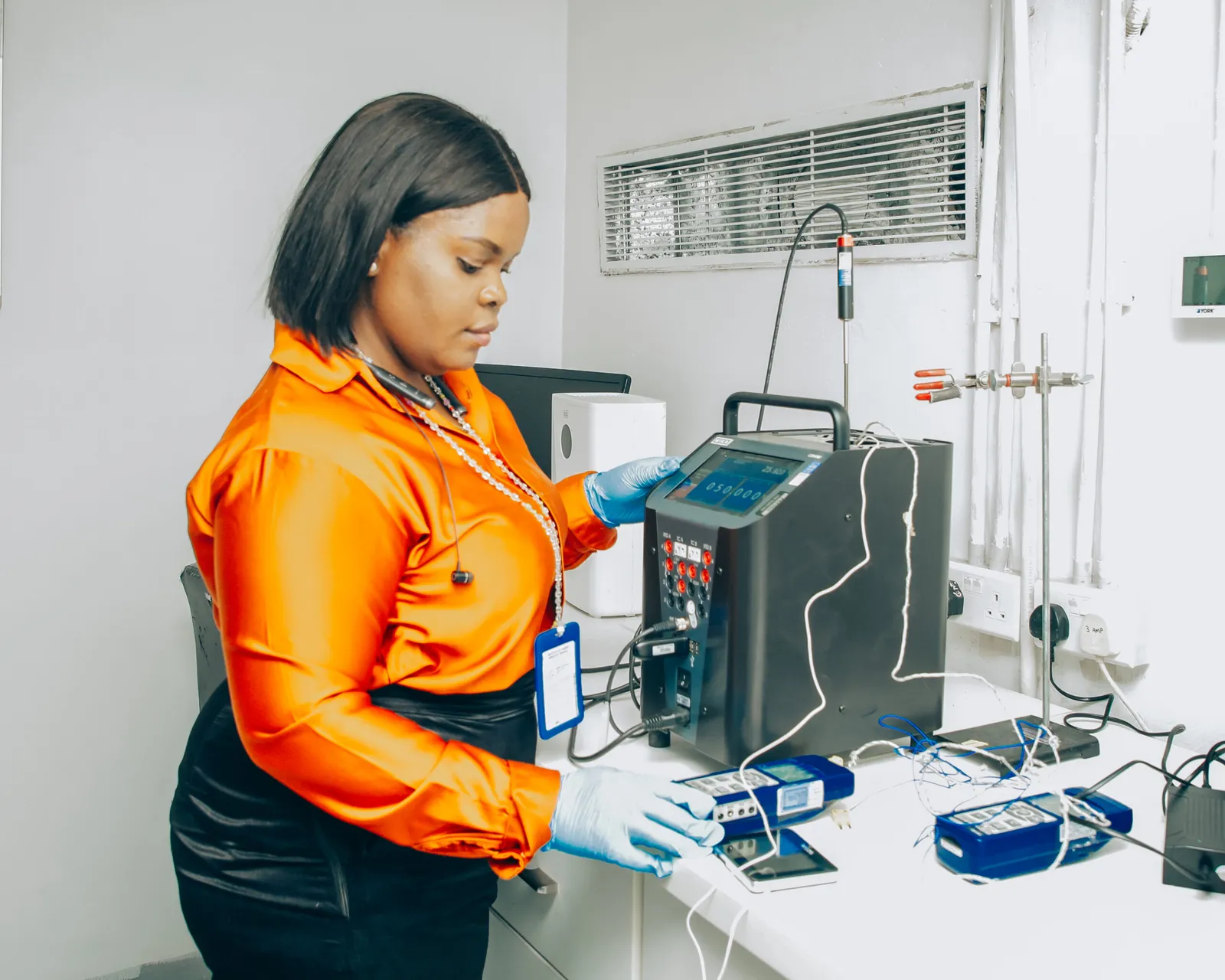
- Supervising the use of laboratory equipment in all program areas such as Anti-retroviral Treatment, Molecular Diagnostics, Clinical Chemistry, Microbiology, Tuberculosis, Research (including cancer research, malaria, haematology, training laboratories) etc.
- Carrying out installation, certification, maintenance and repair services, and conducting trainings on major laboratory equipment.
- Servicing of the Heating and Ventilation Air Conditioning (H-VAC) unit of the BSL3 laboratory.
The Unit produced the only two NSF Accredited Biosafety Cabinet Certifiers in West Africa. With funding from ASLM, the unit has also certified Bio-Safety Cabinets in Gambia and Burkina Faso.
Our Activities/Strategies:
- Assess health facilities, install appropriate equipment.
- Train operators on the use, care and maintenance of the laboratory equipment.
- Monitor and carry out preventive maintenance, repairs on all laboratory equipment.
- Keep records for all laboratory equipment (eg. installation, warranty, preventive maintenance, fault record/repair and training records).
- Certify and calibrate laboratory equipment.
- Liaise with other maintenance service providers on behalf of IHVN.
- Recommend appropriate equipment for use in diagnosis and research. to management.
Unit contact email: [email protected]
Laboratory Equipment Maintenance Unit team
-
 Bernard Akinwande
Senior Biotech Officer, Unit Head Laboratory Equipment Maintenance Unit
About The Molecular Diagnostics Unit
This unit has provided technical support in establishing and upgrading the infrastructure of 17 functional Polymerase Chain Reaction (PCR) laboratories in the Nigeria. These laboratories are strategically located nationwide for Early Infant Diagnosis testing for HIV exposed infants and for viral load tests to monitor patients on antiretroviral therapy.
IHVN also established the mega PCR laboratory located in the Nigeria Centre for Disease Control (NCDC) National Reference Laboratory in Gaduwa Abuja. Out of the 29 PCR laboratories established by the US President’s Emergency Plan for AIDS Relief (PEPFAR), 59% were set up by the unit.
One of our supported PCR laboratories, the Plateau State Human Virology Research Center (PLASVIREC) has attained international accreditation ISO 15189 in Viral Load and Early Infant Diagnosis Testing.
IHVN supported PCR laboratories have assayed over 192, 754 tests for Early Infant Diagnosis and 350,625 patients for viral load monitoring as contribution to the national program on Early Infant Diagnosis and Viral Load scale-up respectively.
To improve sample logistics and make patients results quickly available to them, in 2013, IHVN collaborated with CHAI Nigeria to pilot the use of a software application, the Laboratory Information Management System (LIMS). LIMS manages HIV Early Infant Diagnosis (EID) sample logistics, automated sample processing and retrieval of results.
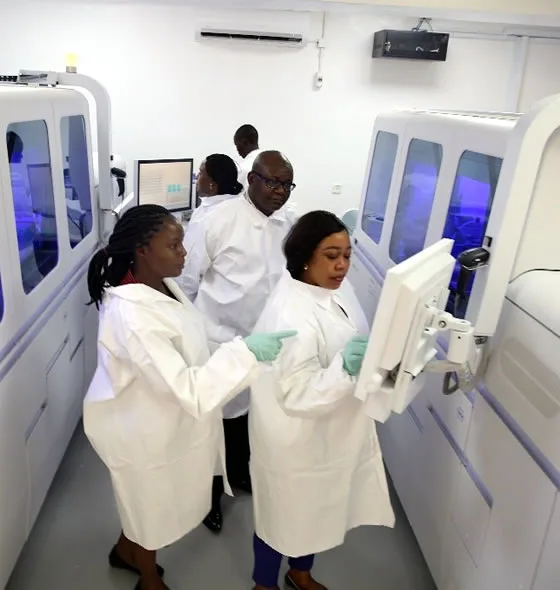
In 2015, a viral load testing module was incorporated into LIMS and scaled up to PCR laboratories supported by other organizations implementing the PEPFAR program in Nigeria. EID/Viral Load LIMS is currently hosted and managed centrally by IHVN supporting twenty-three (23) PCR laboratories across the country.
IHVN is currently working on a robust facility access module on LIMS, which will enable different health facilities to remotely post or enter laboratory orders/information on LIMS through a managed user account system
In addition, we are providing technical support to NCDC in the fight against COVID-19 by testing more than 3000 SARS-CoV-2 samples using Roche c8800 equipment at the National Reference Laboratory.
Unit contact email: [email protected]
Molecular Diagnostics Unit team
-
 Zubairu Umaru Kuyanbana
Manager, Laboratory Services
The Molecular Genomics Laboratory Unit employs advanced molecular techniques to support research and clinical applications. Our services encompass a comprehensive suite of genomic analyses, including:
- Nucleic Acid Extraction:
We conduct both manual and automated extractions of DNA and RNA from a variety of biological samples, ensuring high-quality nucleic acids for downstream applications.
- Polymerase Chain Reaction (PCR) Our laboratory performs both Conventional PCR and Real-Time PCR (qPCR). Real-time PCR allows for precise quantification of DNA, providing critical insights into gene expression and copy number variations.
- Gel Electrophoresis We employ both manual and automated gel electrophoresis to separate nucleic acids by size. This technique is essential for analyzing PCR products and evaluating the quality of extracted DNA and RNA.
- Gene Sequencing The Genomics laboratory is equipped with state-of-the-art Sanger sequencing and Next-Generation Sequencing (NGS) technologies, for high-throughput sequencing applications, enabling comprehensive genomic analyses.
Specialized Testing and Research Initiatives:
Our expertise includes:
- HIV Drug Resistance Testing: Identifying mutations that confer resistance to antiretroviral therapies.
- Drug-Resistant Tuberculosis Sequencing: Detecting resistance in Mycobacterium tuberculosis strains.
Research Projects Our laboratory has participated in several significant research initiatives, including:
- NAIIS Study:The 2018 Nigeria HIV/AIDS Indicator and Impact Survey aimed at assessing the prevalence of key HIV-related health indicators.
- CAPS Study:Assessing baseline HIV drug resistance among children living with HIV (CLHIV) aged 6 months to 10 years in the Caregiver Peer Support (CaPS) trial.
- REST Hub Project:Implementing the first sequencing-based surveillance model for drug-resistant tuberculosis in Nigeria, enhancing detection and monitoring through a comprehensive, sequencing-based approach.
Facilities and Expertise
The Genomics laboratory is equipped with cutting-edge technology and staffed by a team of highly skilled professionals dedicated to delivering reliable, accurate results and advancing genomic research.
Services Provided
- DNA and RNA extraction (manual and automated)
- Conventional and Real-Time PCR
- Manual and automated gel electrophoresis
- Gene sequencing (Sanger and Next-Generation Sequencing)
- HIV drug resistance testing
- Drug-resistant TB sequencing
- Other genomics tests
- Bioinformatics
We have also conducted HIV drug resistance testing for patients experiencing therapy failure, contributing valuable data to ongoing clinical research.
At IHVN's Genomics Laboratory, we are committed to excellence in genomic research and dedicated to supporting our clients and collaborators with high-quality services.
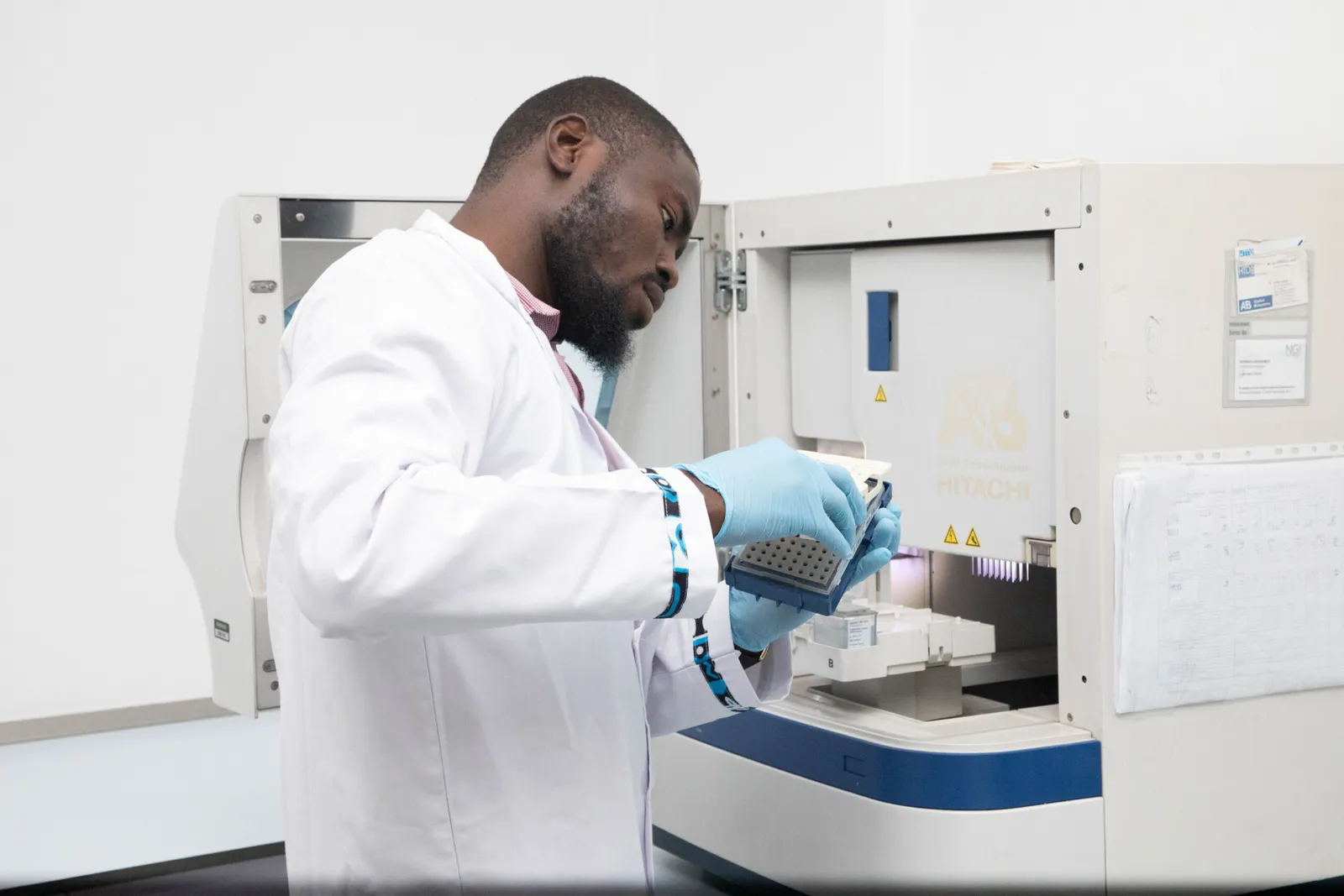
A laboratory staff using the ABI 3500xl genetic analyzer at the genomics laboratory in the IHVN Campus.
Molecular Genomics Unit team
-
 Judith Arachie
Unit Head, Molecular Genomics Unit
Our Biorepository Services.
We oversee a network of three biorepositories in Abuja, Jos, and Zaria. These biorepositories receive, process, store, manage inventory control, package, and distribute samples.
Biological specimens, tissues, and tuberculosis isolates are safely handled to support research, public health evaluation studies, clinical trials, and HIV-associated malignant studies.
The central biorepository in Abuja operates at international standards using ISBER (International Society for Biological and Environmental Repositories) guidelines, after a ten-year support funding from the US National Institutes of Health (NIH) grant, Human Heredity and Health in Africa (H3Africa). The central biorepository supports investigators within IHVN, Abuja and its environs, Africans, and international biomedical researchers.
The Jos and Zaria biorepositories continue to support IHVN programs. Samples from health facilities supported by the Institute are shipped to any of the three biorepositories for long-term storage.
All the biorepositories use up-to-date FreezerWorks, a uniquely tailored sample management software, to manage biospecimens and track associated data throughout their life cycle. The biorepositories are supported with institutional generators dedicated to the biorepository and inverters to ensure an uninterrupted electricity supply.
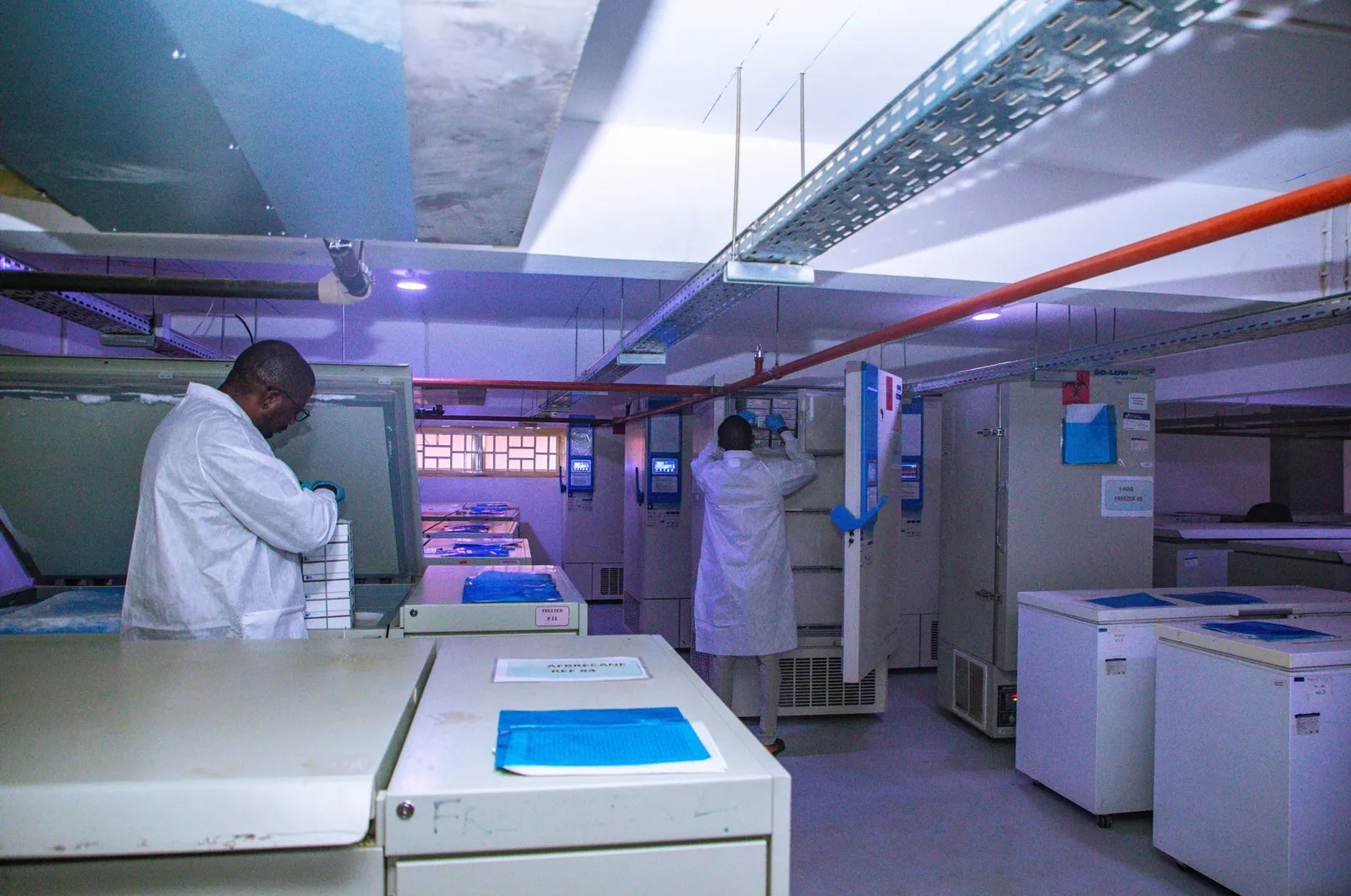
Laboratory scientists at work in the IHVN biorepository at the IHVN Campus in Abuja
Freezers are monitored by an automated temperature monitoring system that provides remote (web-based) monitoring and phone calls, email, and text alerts for temperature or system excursion.
The central biorepository provides full biobanking services from collection, and processing through storage to distribution. The Biorepository can support extensive collections of blood derivatives such as buffy coats, sera, plasma, DNA, RNA, urine, breast milk, and swabs.
Achievements
Biorepository Services Unit team
-
 Mrs. Ozumba Petronilla Jean
Deputy Director/HOD laboratory
About The Quality Improvement
The overall objective of the Quality Improvement /Quality Assurance (QI/QA) unit is to design, implement and maintain a Quality Assurance/Quality Improvement Program for all laboratories of supported hospitals. This includes continuous monitoring, establishing both internal and external quality assessment programs (proficiency testing, audits, retesting), capacity building and laboratory accreditation. Technical assistance is also rendered to other Implementing Partners and the Government of Nigeria in areas of Quality Assurance/Quality Control programs. The unit commenced activity in October 2005; however Quality Assurance has been a component of the laboratory since inception of IHVN.
Quality Assurance (QA) Officers visit the various supported sites to monitor laboratory activities quarterly and conduct laboratory audit annually. Monthly monitoring is done by our Regional Quality Assurance Officers (RQAOs), in collaboration with the Regional Laboratory Officers while daily monitoring is carried out at the site by the Laboratory Focal Person, site QA Officer and laboratory team.
As part of Quality Assurance/Quality Improvement, our RQAOs prepare and distribute Dry Tubes Specimen (DTS) to Primary Health Centres (PHCs) and HIV Counselling/ Testing sites for Internal Quality control of the HIV rapid test. We have strategically mentored the comprehensive sites, the State Ministry of Health scientists on DTS preparation and distribution to ensure sustainability.
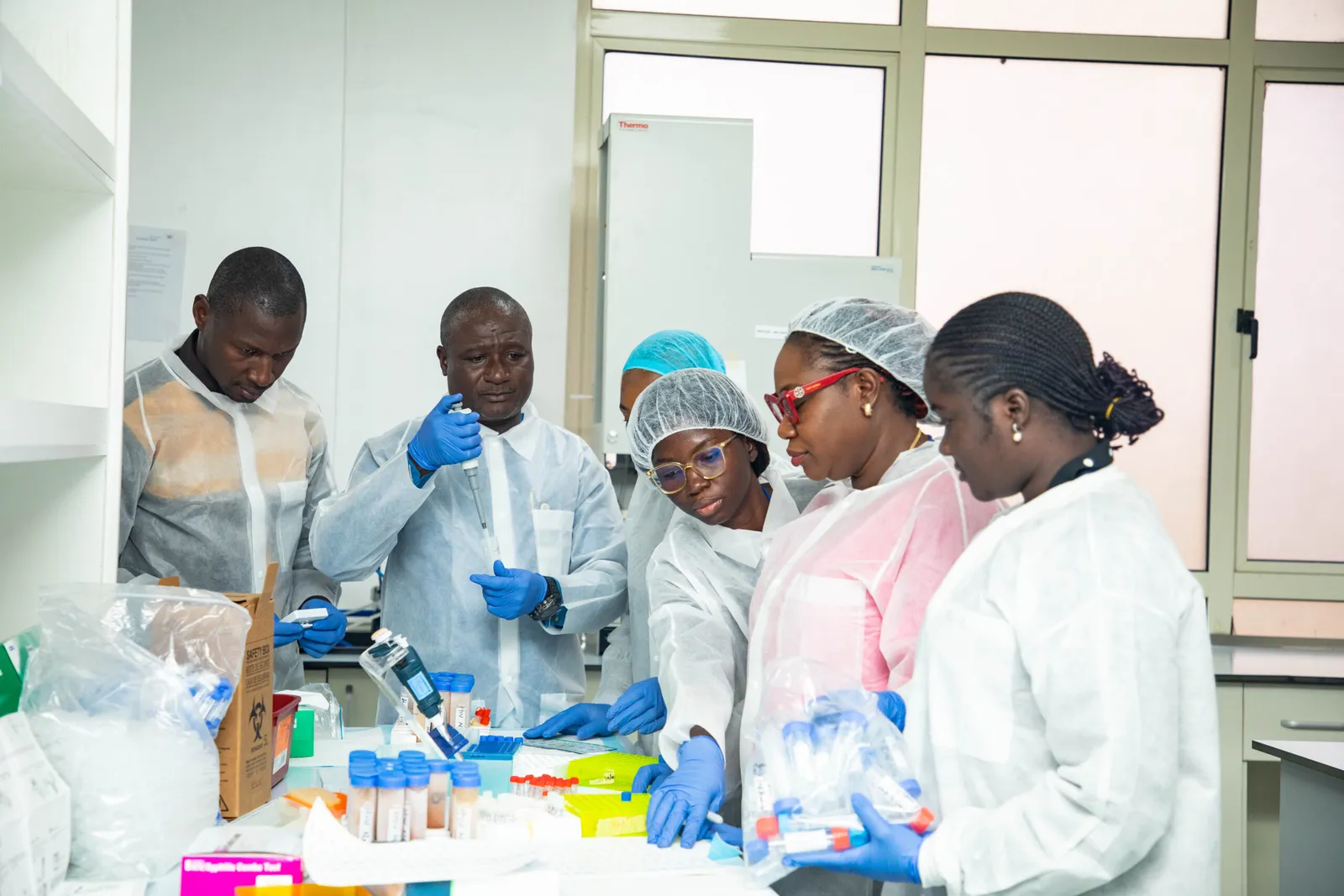
IHVN Quality Improvement staff carrying out Dried Tube Specimen (DTS) production for Daily Internal Quality Control (IQC) for HIV Serology Rapid Testing Points at the IHVN Diagnostic Laboratory, IHVN Campus, Abuja.
To further improve the quality of laboratory services, IHVN was the first to introduce an External Quality Assurance (EQA) program in Nigeria known as the Laboratory Assessment Program Nigeria (LAPN) for IHVN supported laboratories in 2007. This initiative was taken over by CDC to support all PEPFAR supported laboratories in Nigeria through Medical Laboratory Science Council of Nigeria (MLSCN)/AXIOS at the National External Quality Assessment Laboratory (NEQAL), Zaria. Centers for Disease Control handed over NEQAL to IHVN in 2015 and has since provided technical and logistics support to the National EQA laboratory.
IHVN is currently preparing thirteen (13) supported clinical and molecular laboratories for national and international accreditation.
ACHIEVEMENTS
- Improvement on the quality of laboratory test results and practices
- Achieving corrective actions in timely manner
- Instituting additional strengthening measures (QA Site monitors).
- Practicing Continuous Quality Improvement (CQI).
- Mentoring laboratory personnel to achieve positive attitudinal change towards Laboratory Quality Management System (QMS).
- Registering 30 supported laboratories for National (MLSCN/MELTNA) certification and accreditation in 2013.
- With support from the FLEMING Fund, IHVN provided the following:
- Conducted Needs Assessment and Biosafety/Biosecurity Assessment of national reference laboratories and surveillance/sentinel sites for anti-microbial resistance.
- Developed Capacity Strengthening Plans (CSPs) for nine surveillance site laboratories and supported AMR for Human Health.
- Provided EQA (proficiency testing) to Human and Animal Health Laboratories.
- Supporting over 250 laboratories across Nigeria in implementing Quality Management System and EQA/PT for various test menus.
- IHVN’s Research Centre in Plateau State, the Plateau State Virology Research Centre (PLASVIREC), is one of the first laboratories in Nigeria to receive International Accreditation for ISO 15189. The laboratory has maintained this accreditation till date.
- Three molecular laboratories supported by the Institute—Ahmadu Bello University Teaching Hospital (ABUTH) Zaria, Federal Teaching Hospital (FTH), Gombe, and Rivers State University Teaching Hospital (RSUTH), Port Harcourt, achieved National Accreditation for ISO 15189:2012 as well as ISO 15189:2022 International Accreditation by the South African National Accreditation System (SANAS).
- Supporting the National Laboratory Equipment Calibration Centre (NaLECC), MLSCN House, Durumi and the National External Quality Assessment Laboratory (NEQAL), Saye, Zaria in achieving and maintaining international accreditation for their Quality Management Systems (QMS). NaLECC obtained ISO 17025 accreditation through KENAS while NEQAL had a re-assessment by SANAS and maintained the ISO 17043 international accreditation. IHVN provides technical assistance to Medical Laboratory Science Council of Nigeria (MLSCN),
- Bwari General Hospital, Abuja achieved National Accreditation for ISO 15189:2022 from the Medical Laboratory Science Council of Nigeria (MLSCN)
- Supporting Post Market Verification (PMV) for invitro diagnostic test kits/cartridges in collaboration with the Federal Ministry of Health and Social Services.
- Supporting Strengthening Laboratory Management Toward Accreditation (SLMTA) Training of trainers (ToT) with support from the Centres for Disease Control and Prevention (US CDC)
- Continued mentorship support to the FMoH trained SMLTAns on laboratory auditing/mentorship and supporting the onboarding training for ISO 15189:2022 and ISO 17043:2023 Standards to SLMTA auditors, master trainers and implementers and well as NEQAL staff
- Supporting the FMoH in documents development and review.
- Supporting the National Tuberculosis, Leprosy, Buruli Ulcer Control Programme (NTBLCP) in EQA/PT panel production, results analysis and report writing
In summary, the QI/QA unit oversees all Laboratory Quality Assurance, Quality Management Systems, Quality Control, Quality Improvement, and Quality Assessment activities which in turn ensures all laboratories generate results that are accurate, reliable, and reproduceable. The unit continues to make progress in accrediting our laboratories for the purpose of achieving the overall wellbeing of our clients.
Unit contact email: [email protected]
Quality Improvement Unit team
-
 Bitrus Gyang Tok
Unit Head, Quality Improvement Unit
Our Laboratory TB Activities
We support health facilities to offer quality services to people infected with tuberculosis. This includes building the capacity of laboratory scientists at the National Tuberculosis and Leprosy Training Center (NTBLTC) Zaria. It also involves upgrade of laboratories and setting up of nine tuberculosis reference laboratories across the country for the diagnosis of tuberculosis.
Our activities include;
- Mentoring and provision of technical support to laboratory scientists on the use of BSL2, BSL3 and Molecular Biology Laboratories for diagnosis and monitoring of multi-drug resistant tuberculosis patients. Diagnosis is done using advanced TB detection (iLED Fluorescence TB Smear Microscopy, tuberculosis Solid & Liquid Culture and Drug Susceptibility Testing (DST).
- Co-ordinating and linking of the tuberculosis laboratories in the country to the WHO/Supra National Reference Laboratory network (SRLN) in Milan, Italy.
- Supporting National and Zonal Tuberculosis Reference Laboratories to achieve international accreditation. This involves training and mentoring to develop and implement policies, manuals, Standard Operating Procedures (SOPs) and forms.
- Participating as a member of the NTBLCP TB Laboratory Working Group
- Maintaining and providing reagent/consumables to National and Zonal Tuberculosis Reference laboratories, State and Private Tuberculosis Reference Laboratories and participating in quarterly supervisory visits.
- Providing technical assistance and trainings on; advanced tuberculosis culture and drug-susceptibility testing; advanced tuberculosis molecular methods; tuberculosis smear microscopy (Ziehl Neelsen and Fluorescence); HIV diagnosis; and monitoring of Good Laboratory Practice; Line Probe Assay; GeneXpert and TB panel slides preparation. This assistance is given to other non-governmental organizations/Implementing Partners and the Government of Nigeria.
- Coordinating laboratory monitoring of patients on tuberculosis treatment in the community and treatment centers. We ensure that laboratory tests are conducted as scheduled and results placed in patient’s folder, there is timely release of patient’s results from reference laboratories and there is a weekly tracker of patient’s culture and LPA tests.
- Participating in and supervising studies like, National TB Prevalence Survey, National MDR-TB Survey etc.
- Collaborating with the NTBLCP to prepare panels for proficiency testing at health facilities with GeneXpert machines and at TB Zonal Reference laboratories.
- Participating in the development of NTBLCP documents such as National Workers Manual, Fluorescence Microscopy Guidelines and Standard Operating Procedures.
Unit contact email: [email protected]
Tests performed at NTBLTC National TB Reference Laboratory from April 2009 to September, 2019.
Tests
Quantity
Liquid Culture
12,904
Solid Culture
19,108
Hain Assay
6,050
Smear Microscopy
69, 618
First Line Drug Susceptibility Testing (Solid)
620
First Line Drug Susceptibility Testing (Liquid)
39
Second Line Drug Susceptibility Testing (Solid)
543
Xpert MTB/RIF assay
5,953
Rapid Mycobacterium Tuberculosis Complex Identification
612
Test performed from all the 108 functional TB Reference Laboratories in 2017 to September 2019
Liquid Culture
11,197
Solid culture
66,500
Hain Essay (FLD)
6,712
Hain Essay (SLD)
5,286
Smear Microscopy
27,239
First Line Drug Susceptibility Testing
1,993
Second Line Drug Susceptibility Testing
1,686
Rapid Mycobacterium Tuberculosis Complex Identification
683
Clinical Laboratory TB Services Unit team
-
 Martha Oyinduba Tongha
Unit Head, Tuberculosis Unit
About The Clinical Laboratory Training Unit
This unit is responsible for capacity building of laboratory personnel and other health care workers. It carries out development of training resources, Standard Operating Procedures and review of National guidelines to support Government of Nigeria programs. The unit is also involved in strengthening curricular for pre-service medical laboratory science education in colleges of health technology and universities.
Personnel from Government of Nigeria/ Federal Ministry of Health, United State President’s Emergency Plan for AIDS Relief (PEPFAR) Implementing Partners (IPs), Global Fund (GF) supported health facilities, multinational and private agencies have benefitted from trainings conducted.
Key training areas include;
- Good Laboratory Practices and Safety
- HIV Diagnosis and Monitoring
- Basic Tuberculosis laboratory diagnosis
- Basic Equipment Maintenance
- Quality Management Systems
- Advanced HIV molecular diagnosis
- Advanced TB molecular techniques
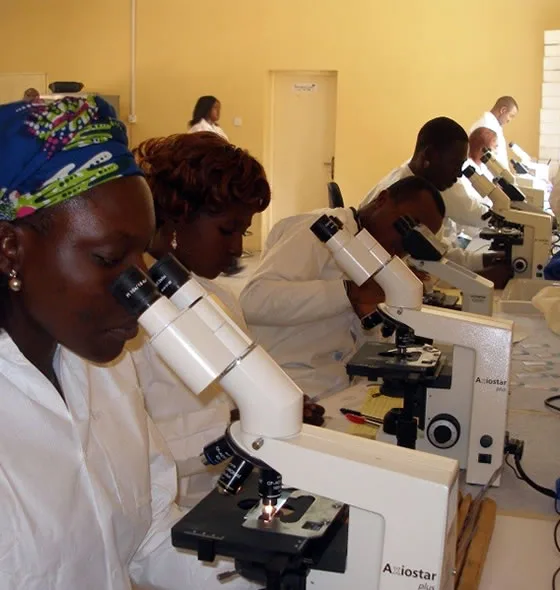
- TB Culture
- Sample collection, processing and shipment
- Basic laboratory operations
- Teaching Methodology
- Supply Chain Management
- Bio-repository Services
Trainings are also aimed at exposing individuals to best diagnostic practices, latest and applicable technologies with emphasis on identified areas of gaps (based on requests, needs assessment, site monitoring visits and Quality Assurance reports).
One of the projects spearheaded by this unit is the Strengthening Health for Human Resources in Nigeria Group (SHaRING). This has supported Laboratory Systems strengthening in Nigeria through Pre and In-service trainings.
Personnel capacity development is done through centralized and hospital-based trainings using curricular, manuals and other resources developed and reviewed in line with national and international guidelines/policies.
Over 9,980 health care workers have been trained.
Unit contact email: [email protected]
Clinical Laboratory Training Unit team
-
 Abubakar Abdullahi
Technical Adviser Laboratory Services
The Laboratory Field Operations Unit serves as the Program Coordination Unit of the Clinical Laboratory Services Department at the Institute of Human Virology, Nigeria.
The Unit was established in 2005 to address program expansion and scale-up. It coordinates, implements, and manages laboratory activities across the supported states. The FOU Head at the Central Office works under the supervision of the Head of the Department to coordinate laboratory deliverables and collaborate with Regional and State Laboratory Program Officers to ensure quality laboratory support for diagnosing and managing people living with HIV/AIDS. A core function of the unit is liaising with laboratory thematic areas to implement activities, collect, analyze, and report all laboratory PEPFAR Monitoring, Evaluation, and Reporting (MER) & custom indicators.
In line with its goal of ensuring the delivery of reliable and quality patient test results, the unit also identifies and assesses the suitability of facilities for providing laboratory testing services to support patient management. This involves ensuring that laboratories meet minimum quality standards, such as having qualified and competent personnel, adequate and safe laboratory workspaces, appropriate equipment, a reliable water supply, and an efficient power source. Before activating laboratory facilities, the FOU ensures that the state and facility personnel undergo training and capacity building.
The Laboratory FOU functions in 130 clinical laboratories and 526 HIV Rapid test points with a tiered network of over 384 health facilities.
Unit contact email: [email protected]