
Office of the CEO
Coordinates IHVN's PEPFAR and Global Fund programmes, communication and treatment awareness, and staff learning and development.
About The Global Fund Programs
This unit coordinates application for and implementation of Global Fund Grants. It ensures compliance to guidelines and reporting requirements.
Our activities include the following;
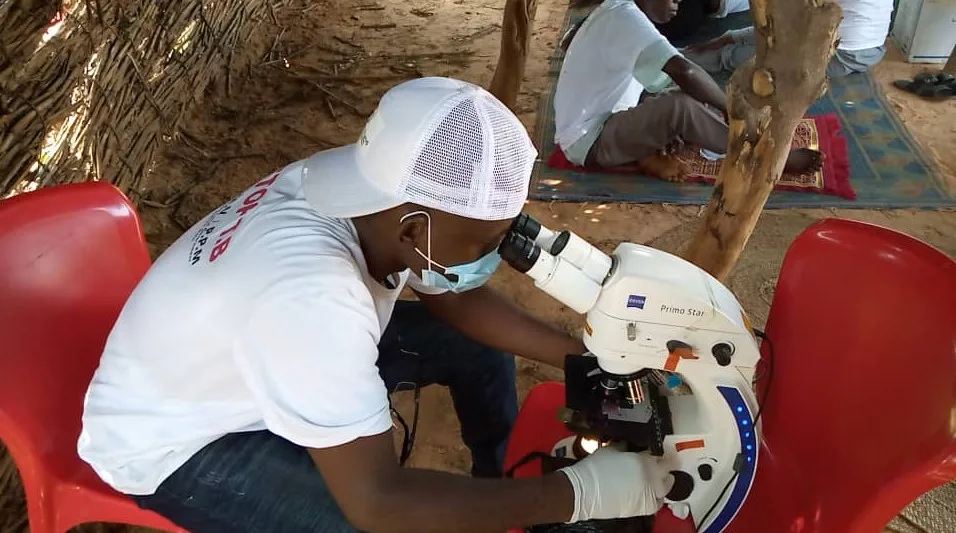
Innovative community sputum testing for tuberculosis by a private sector health provider in progress in Sokoto State, Nigeria
IHVN is currently the Principal Recipient of the Global Fund Tuberculosis Public-Private Mix (TB PPM) grant. This grant is supporting the rapid expansion of comprehensive tuberculosis services within formal and informal private healthcare providers in Nigeria. The sub-recipients include Caritas Foundation, KNCV and the International Federation of Anti-Leprosy Associations (ILEP) partners (Damien Foundation Belgium Nigeria, The Leprosy Mission in Nigeria, German Leprosy and Tuberculosis Relief Associations and Leprosy Tuberculosis Relief Initiative, Nigeria).
IHVN had also been Sub-recipient to the National Malaria Elimination Program (NMEP), National Agency for the Control of AIDS (NACA) and FHI360 on various Global Fund Malaria, Health systems strengthening and HIV grants respectively.
Global Fund Programs team
-
 Dr. Aderonke Vivian Agbaje
Director of Programs – Special Projects /COP TB LON 3 Project
-
 Dr. Olayemi Olupitan
Project Director GC7 TB &HIV Grant and N-THRIP
-
 Dr. Temitope Adetiba
Coordinator Global Fund TB Public Private Mix Grant

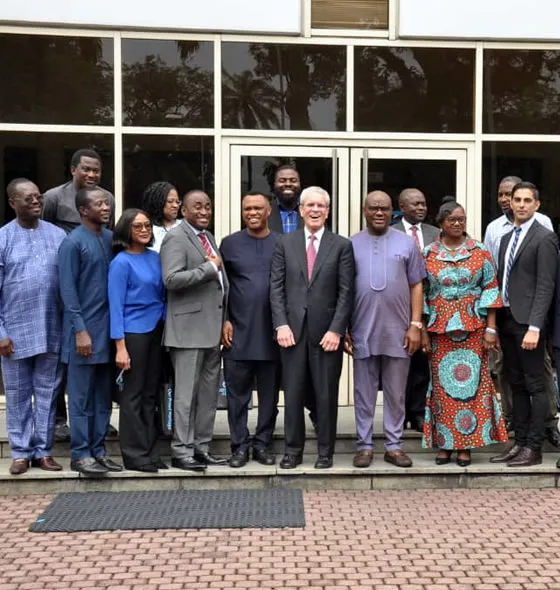
Participants and facilitators in a training on “Practical Media and Website Content Management pose for a group photograph
About The Program Communication and Treatment Awareness (PCTA) Unit
The unit develops and implements strategic communication programs and activities which support the work of the Institute in addressing infectious and non-infectious diseases. We share information and improve knowledge about the organization’s activities.
Our work is extensive, expanding and involves three core desks;
The Unit has developed and produced over 100 information, education and communication materials such as flip charts, pamphlets, booklets and posters for people living and affected by HIV, TB, and other diseases.
It has also produced more than 50 editions of IHVNnews – a news publication of the Institute which shares the experiences and progress of patients responding to treatment and care. More than 100 health facilities have benefited from our Xpose Display Stands – a unique wheeled equipment used in waiting rooms to educate clients about diseases.
The Unit also uses several tools, traditional, digital, and social media outlets, (like Facebook, Twitter and Instagram) and the Institute's website to facilitate these activities and support a
chievement of the Institute’s goals.
Unit contact email: [email protected]
Program Communication and Treatment Awareness Unit team
-
 Uzoma Florence Nwofor
Senior IEC Manager
About The PEPFAR Coordinating Unit
This unit coordinates, supports and supervises US President’s Emergency Plan for AIDS Relief (PEPFAR) programs implemented by the Institute. We ensure that PEPFAR program directives are adhered to, and program strategies address gaps, are innovative and evidence-based.
The unit also liaises between the Institute and PEPFAR funding agency, allied agencies and with our sub-partners. We guide application for and execution of grants/projects to meet set objectives and approved work plans, and mentor state and health facility teams.
Learning and development is a core function of this unit as it serves to keep health facility, program and ad-hoc staff abreast with the current protocols for PEPFAR program implementation.
This unit has sub-units including:
- Cascade Management: This sub-unit ensures smooth coordination of program areas like anti-retroviral treatment, prevention of mother-to-child transmission and tuberculosis. It also supports data-driven interventions to address performance gaps.
- Sub-partner Management: The sub-unit liaises between IHVN and its sub-partners. It coordinates program implementation through private sector engagement. Engagement of sub-partners has increased access to HIV services.
- Continuous Quality Improvement (CQI): The CQI sub-unit provides technical support to agencies of the Government of Nigeria and health facilities at national and sub-national levels. We support staff at health care facilities in the application of Quality Improvement (QI) approaches to improve services and strengthen the health system.
- The effort of this unit was pivotal in the launch and success of the National Quality Management program for HIV (NigeriaQual) – a project done in collaboration with the University of Maryland program (UMB) and the Federal Ministry of Health. We have trained over 1000 healthcare workers across 19 states in Nigeria on CQI methodology and performance measurement and we continue to support the application of CQI to improve health services.Currently, this team collaborates with UMB to give technical support to National Tuberculosis and Leprosy Control Programme (NTBLCP) in the implementation of a National Quality Management Program for tuberculosis (NigeriaQualTB). We continue to create an enabling environment for innovation and system thinking in the HIV and TB program in Nigeria.The Unit implemented the Training Program in Nigeria for Non-Communicable Diseases Research (TRAPING) grant which sponsored doctoral level training for fellows at various institutions in the UK and US. We have also built the capacity of employees of other organizations implementing HIV and TB programs, the Federal Ministry of Health (FMOH), Colleges of health technology, Nigeria Nursing Council and Medical & Dental Council of Nigeria.
- Training: This sub-unit focuses on the development of high-quality human capital for health by providing logistics support; managing training budgets, training data compilation, and the design and assessment of training programs. In fulfilment of this vision, IHVN has trained over 47,000 health workers all over Nigeria, with funding from the US President’s Emergency Plan for AIDS Relief (PEPFAR), Global Fund, National Institute for Health (NIH) and other projects. We have trained health workers in laboratory services, biomedical, behavioral and social science research areas for improved prevention, care and treatment of HIV/AIDS, TB and other infectious and non-infectious diseases.
PEPFAR Coordinating Unit team
-
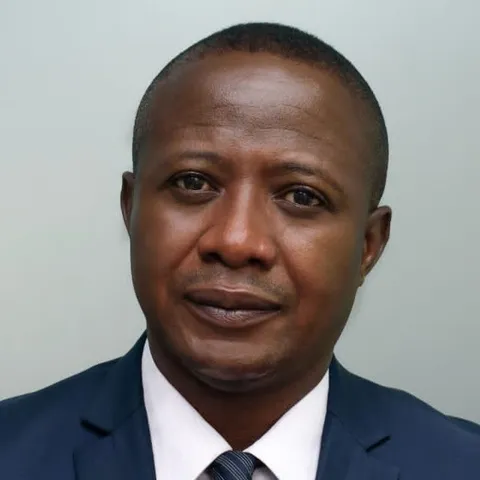 Dr. Yusuf Oche Baba
Director, Program Coordinating Unit
Part of the PEPFAR Coordinating Unit
About The Learning and Development Unit
Introduction
The Institute of Human Virology, Nigeria (IHVN), through the Learning & Development (L&D) arm of its PEPFAR Program Coordinating Unit (PCU), continues to bolster its stand to achieve its mission to be a center of excellence in providing health service implementation, capacity building, and Research, ensuring equitable access to individuals & communities through innovative and evidence-based strategies.
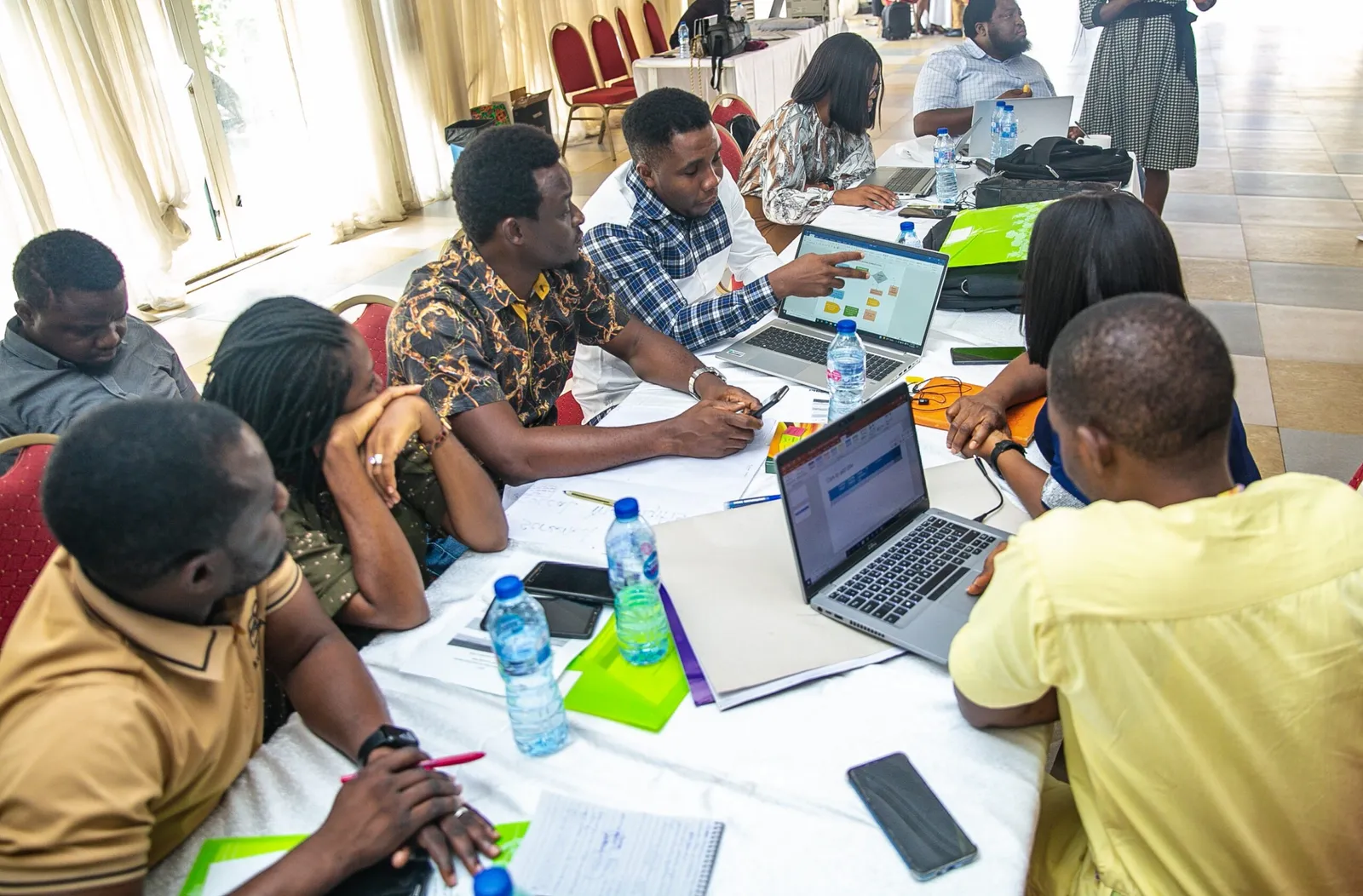
In addition to managing educational resources and organizing capacity-building programs, which include concept development, budget management, data compilation, training program review and assessment/evaluation, and other learning and development opportunities like Journal Review sessions and the IHVN-EVOLVE online training platform for staff, the Learning and Development team leads the charge in developing strategies for high-quality human capital for health.
Health Systems Strengthening
With funding support from the United States (US) President's Emergency Plan for AIDS Relief (PEPFAR), Global Fund (GF), National Institute of Health (NIH), and other research initiatives, IHVN continues to transfer skills and significantly build the capacity of the health workforce. Throughout the last seven years, the L&D coordinators in the States supported by PEPFAR have organized capacity-building sessions for over 690,064 healthcare workers (HCWs), comprising of clinicians, nurses/midwives, pharmacists, laboratory scientists etc. in various fields, such as pediatrics, PMTCT, comprehensive ART, laboratory (clinical services, QA/QC, equipment calibration, CD4 and Viral load assay, etc.), pharmacy and laboratory logistics, CQI, health informatics, M/E, etc. to enhance the prevention, care, and treatment of clients enrolled in our health programs.
As part of our Health Systems Strengthening effort to promote stakeholder ownership of health programs for improved coordination, governance and sustainability, better resource mobilization, and sustainable health interventions, the L&D team continues coordinating the learning sessions in 106 Project ECHO (Extension for Community Healthcare Outcomes) equipped facilities in PEPFAR supported States of Katsina, Nasarawa, Rivers and the FCT.
IHVN, through the L&D team, collaborates with government agencies on matters relevant to Nigeria's Human Resources for Health policy, strategy, and implementation modalities; we develop and disseminate guidelines, Standard Operating Procedures (SOP), country operational plans, rapid program advice, and the National HIV strategic framework to guide the sustainability plan towards ownership.
The L&D team also oversees the IHVN-EVOLVE online training platform; this is an online platform that allows the staff to learn and develop their skills while on the job.
Library and Documentation
The library is a specialty division of L&D that offers staff members assistance and direction on matters pertaining to their jobs as well as research, open resources, and other information services. The library staff arranges, shelves, and provides users with easy access to books, journals, abstracts, study materials, research reports, training materials, presentations, theses, and training guidelines. For IHVN Staff, the library provides easy access to resources and services along with a cozy reading space for research and study.
Unit contact email: [email protected]
Training Resources
- Overview of Biosafety and Biosafety levels
- Laboratory Biosecurity
- Risk Assessment Process
- Personal Protective Equipment
- Emergency Response Incidence Response Programmes
- Chemical Management and Selection of Disinfectants
- Spill Management
- Waste Management Programmes
- Occupational Health for laboratory programs
- Introduction to Packaging Transport Terminologies
Learning and Development Unit team
-
 Bang Rwang
Learning and Development Manager