• Working Hours - Mon - Thu: 8:00 - 17:00; Fri: 8:00 - 14:00
What are you looking for?

Category Archives: News And Articles

IRCE Announces Launch of Lassa Fever Survivors Research

The Institute of Human Virology Nigeria (IHVN), through its International Research Center of Excellence (IRCE), has announced the launch of a research study to understand how Lassa fever survivors fight and overcome Lassa virus (LASV) infection.

The study, titled “Identification and Immunologic Characterization of Adult Lassa Fever Survivors in Nigeria”, is a collaboration between IHVN-IRCE, the Abubakar Tafawa Balewa University Teaching Hospital (ATBUTH) in Bauchi State, and the Center for Vaccine Development and Global Health (CVD) at the University of Maryland School of Medicine.

Despite being endemic in West Africa for several decades with high case fatality rates, critical gaps remain in our understanding of how natural infection confers immunity in those that survive Lassa Fever, and how vaccine development can benefit from such knowledge. This 12-month collaborative study will seek to generate deeper insight into natural immunity following infection. The data generated will serve as a critical reference point for ongoing and future Lassa fever vaccine trials.

This study will also work with communities to minimize known risk factors and establish a repository of clinical data and biological samples —  a valuable long-term scientific resource for the research community. This work will leverage ATBUTH’s and IHVN’s existing world-class laboratory infrastructure. The infrastructure includes its ISO 15189:2022 accredited laboratory in Jos, Plateau State (PLASVIREC), the Institute’s regional biorepository facility (I-HAB) located on the IHVN campus in Abuja and ATBUTH’s molecular diagnostic laboratory- Molecular Genetics and Infectious Disease Research Laboratory.

Speaking at the launch, Professor Alash’le Abimiku, the Nigerian Principal Investigator and Executive director of IHVN-IRCE stated: “This study represents an important step forward in our collective efforts to better work with communities to reduce behaviors and exposures that increase the risk of Lassa virus infection. By studying Lassa fever survivors in Nigeria, we are generating locally grounded evidence that will directly inform vaccine development and ultimately save lives.”

The research reflects IHVN’s enduring commitment to advancing health through science, strengthening in-country research capacity, and ensuring that African populations are active participants in and beneficiaries of the knowledge generated through research.

Prof. Yusuf Bara Jibril, the Chief Medical Officer of ATBUTH highlighted the importance of this study for communities like his in Bauchi that have experienced a surge of Lassa fever cases since November 2026: “Our communities need to be sensitized about Lassa fever and how to protect themselves from getting infected. A Lassa fever vaccine is even more relevant and important now and we as a teaching hospital for the state will continue to partner to make this a reality for our people”.

Dr. Suleiman Yusuf, the Lead Collaborator at ATBUTH commented: “Bauchi State has the clinical and laboratory infrastructure to contribute to knowledge that will lead to prevention and treatment of Lassa Fever. In addition, my institution has a long-term relationship with communities to ensure that knowledge on how to prevent Lassa fever transmission is sustained in each community and that health workers recognize clinical symptoms of Lassa for prompt intervention.”

“We are excited to collaborate with colleagues in Nigeria and contribute to global efforts to develop effective vaccines against Lassa fever” says Dr. Justin Ortiz, Professor at the University of Maryland School of Medicine Center for Vaccine Development and Global Health in Baltimore, USA, and a Co-investigator of the study.

“Studying the natural immune responses of Lassa fever survivors may help identify immune pathways and markers associated with recovery and protection following infection. These findings can provide important scientific context for ongoing efforts to design and evaluate future Lassa fever vaccines” says Matthias J. Schnell, PhD, Director of the Jefferson Center for Vaccines and Pandemic Preparedness at Thomas Jefferson University. Dr. Schnell is the Principal Investigator of the parent NIH contract and the Inventor of a Lassa fever vaccine candidate.

Lassa fever remains one of the most significant and persistent public health threats in Nigeria and the rest of West Africa where it is endemic. It is a zoonotic disease caused by the Lassa virus, an Old World arenavirus whose primary host is the rat referred to as Mastomys natalensis.  Transmission to humans occurs primarily through contact with food or household items contaminated by rodent urine or feces.

The Nigeria Centre for Disease Control (NCDC) has already reported a case fatality rate of 25.1% in the year 2026 with outbreaks across 21 of Nigeria’s 37 states and 85% of cases concentrated in Bauchi, Ondo, Taraba, Benue, and Edo states. There is currently no licensed vaccine for Lassa fever although there are several efforts including that by CEPI to find an effective vaccine against Lassa.

IHVN Marks World Hand Hygiene Day 2026

The Institute of Human Virology Nigeria (IHVN) joined the global community in commemorating World Hand Hygiene Day by promoting proper hand hygiene practices among staff and reinforcing the importance of infection prevention and control within healthcare settings.

Observed annually, World Hand Hygiene Day highlights the critical role of hand hygiene in preventing infections and saving lives. This year’s theme, “Action Saves Lives,” underscores the importance of consistent and effective hand hygiene practices in healthcare environments.

The IHVN Laboratory Department organized interactive demonstrations in the various departments within the organization. The activities featured practical sessions on proper handwashing techniques, and the use of ultraviolet (UV) light technology to assess hand cleanliness and provide staff with real-time feedback on their hygiene practices.

Participants actively took part in the demonstrations, asked questions, and gained practical knowledge applicable to their daily routines.

Speaking during the activity, IPC Prevention Lead, Manji Tyem emphasized the life-saving importance of proper hand hygiene.

“If you wash your hands well, it means you are saving lives. We need to break the chain of transmission of infections. Through this demonstration, we are assessing whether individuals know how to wash their hands properly,” she said.

IHVN Grants Assistant, Plangji Dabeng who participated in the activity described it as enlightening,

“I am glad we have been shown the proper way to wash our hands in order to protect ourselves and others from infections,” he said.

The event underscored IHVN’s continued commitment to promoting safe healthcare practices and safeguarding the well-being of both staff and patients through strengthened infection prevention and control measures.

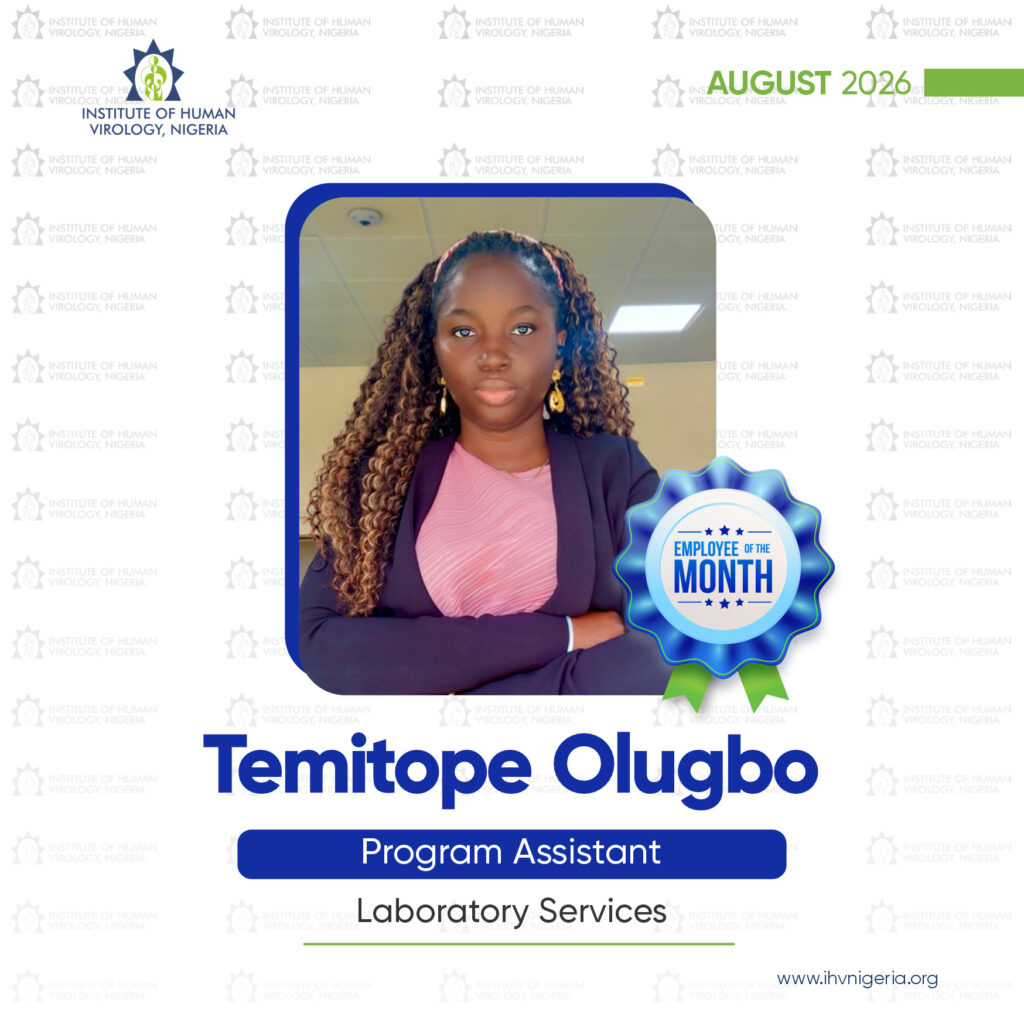
IHVN Celebrates May 2026 Employees of the Month

In fostering an excellent work culture and staff performance, the Executive Management of the Institute of Human Virology Nigeria (IHVN) has initiated the “Employee Recognition Awards” to recognize “Employees of the Month” and “Employee of the Year.”

According to Dr. Olu Alabi, the IHVN Director of Finance and Administration, this recognition encompasses overall employee performance in areas such as dress code, innovation, teamwork, productivity, efficiency, leadership, interpersonal skills, punctuality, and adherence to company values and principles, among other factors.

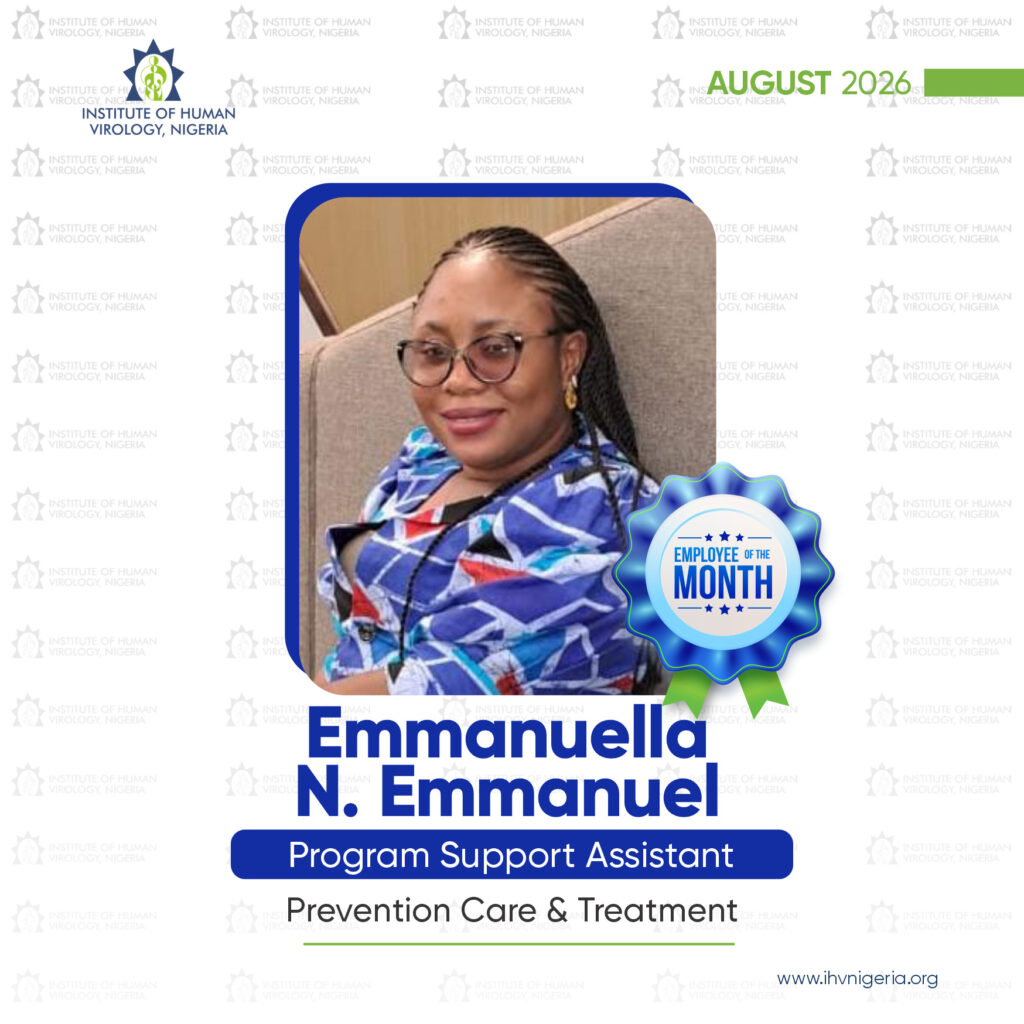
For May 2026, IHVN celebrates Anthony Nwokoma, Douglou Samuel, Napoleon Loveth Akayi, Barine Mark Peter Ojonimi Emmanuel, Amina Osuwa, Eli Asabar Petong, Jwan Panshak and Dickson Egharevba, whose performance stood out in their teams.

Hearty cheers to our May star performers!

IHVN Joins National Dialogue on Strengthening Interventions Against IPV/GBV

The Institute of Human Virology Nigeria (IHVN) has joined the Global Fund to Fight AIDS, Tuberculosis and Malaria, UNDP and the Government of Nigeria to convene a National Consultative Workshop to discuss ways to strengthen interventions against Intimate Partner Violence (IPV) and Gender-Based Violence (GBV) in Nigeria.

The workshop, which held in Abuja, attracted representatives from the Ministries of Health, Justice, the National Human Rights Commission, UN in Nigeria, and Commissioners of Health and Justice. Also in attendance were civil society organizations, the media, policy makers and program implementers.

At the event, stakeholders stressed the need for practical, evidenced-based actions to improve health as well as social and judicial services to address GBV and IPV in the country.

Head of HIV at The Global Fund, Dr. Izukanji Sikazwe stated that the Global Fund is committed to partnerships to address HIV, TB, and malaria through the Global Fund Grant Cycle 8 (GC8).

“This meeting is a time to talk about HIV and the structural and social barriers to reaching the end of HIV. My hope is that we move from discussion to action. It matters deeply for us if we are to reach the 2030 targets to address these challenges.”

Dr. Sikawe explained that the GC8 includes IPV as an essential activity under HIV programming.

“For the first time, we included Intimate Partner Violence and Post-Rape Care as essentials. This is an opportunity for us to ensure that we prioritize our limited resources to interventions that will shift the epidemic.”

The workshop featured plenary sessions, panel discussions on the current realities of IPV and GBV in the country. It also featured deliberations on key steps and practical solutions to address challenges identified.

Representative of the Federal Ministry of Health, Dr. Charles Nzelu said that evidence has shown that IPV/GBV prevents HIV testing.

“This is a very serious issue. I am sure that under GC8, this will be captured. Nobody has the right to violate the rights of others.”

According to HIV Project Director Global Fund Nigeria TB HIV Reach Integration and Impact Project, Dr. Olayemi Olupitan, the Institute will continue to collaborate to address IPV/GBV in the country.

“Working together with the Government of Nigeria, NEPWHAN and Community Rights Advocates have been engaged in spotting cases within the community and helping to refer individuals to Global Fund supported sites where they can access vital services.”

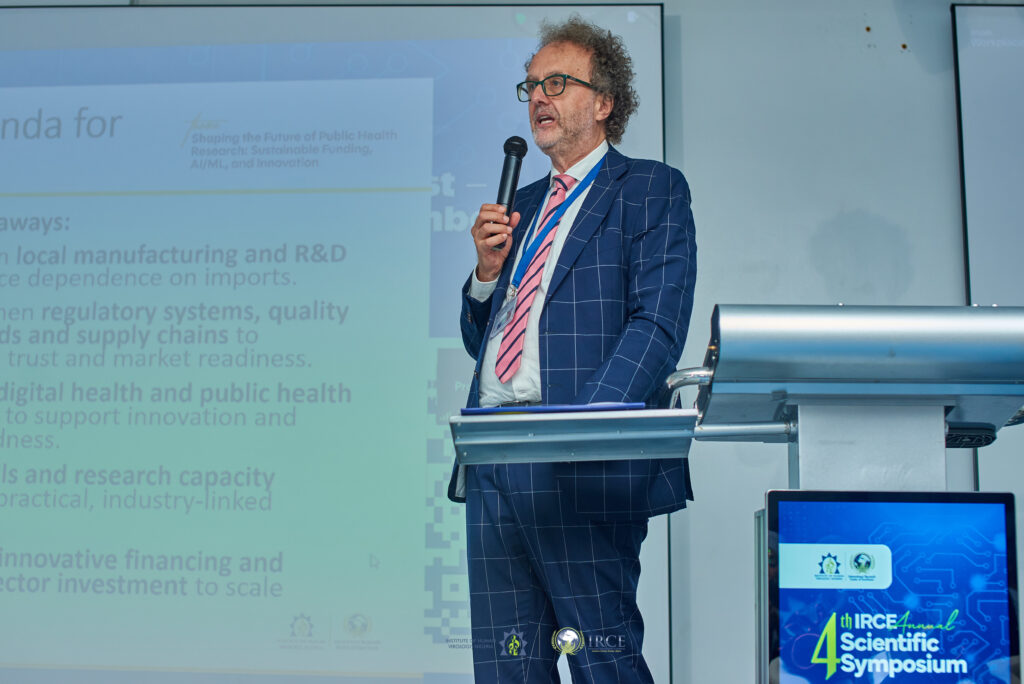
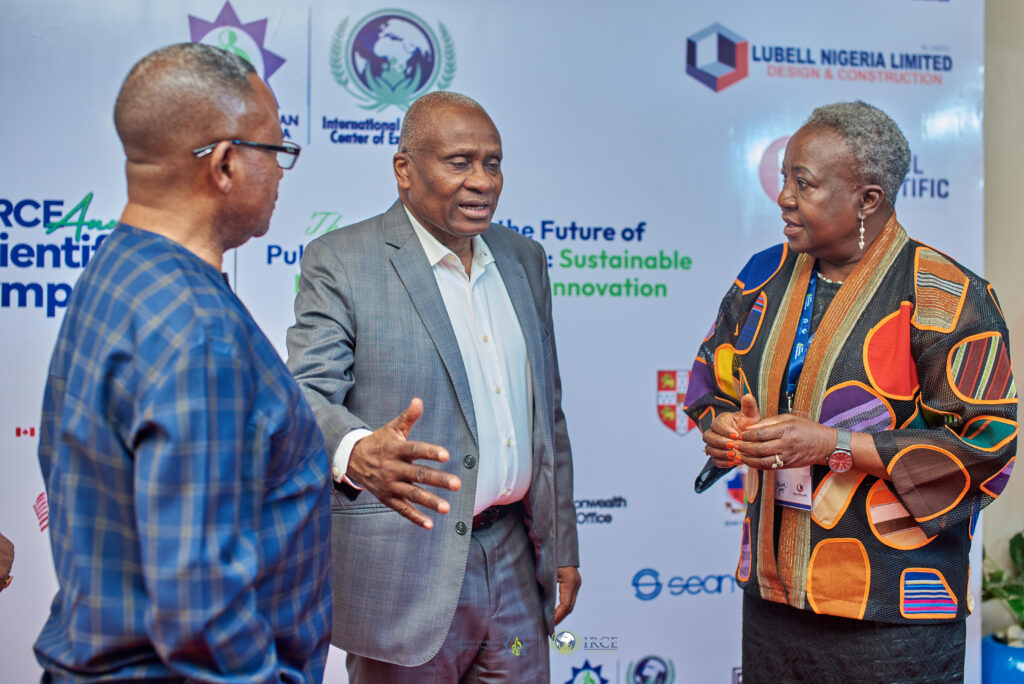
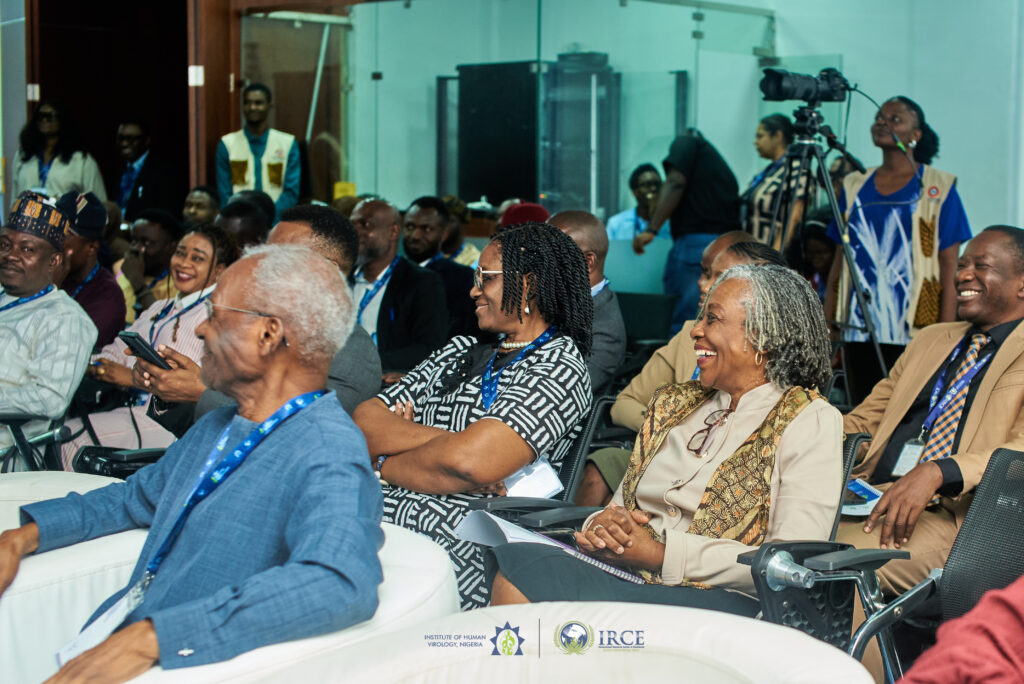
IRCE Invites Researchers to Submit Abstracts for 4th Annual Scientific Symposium

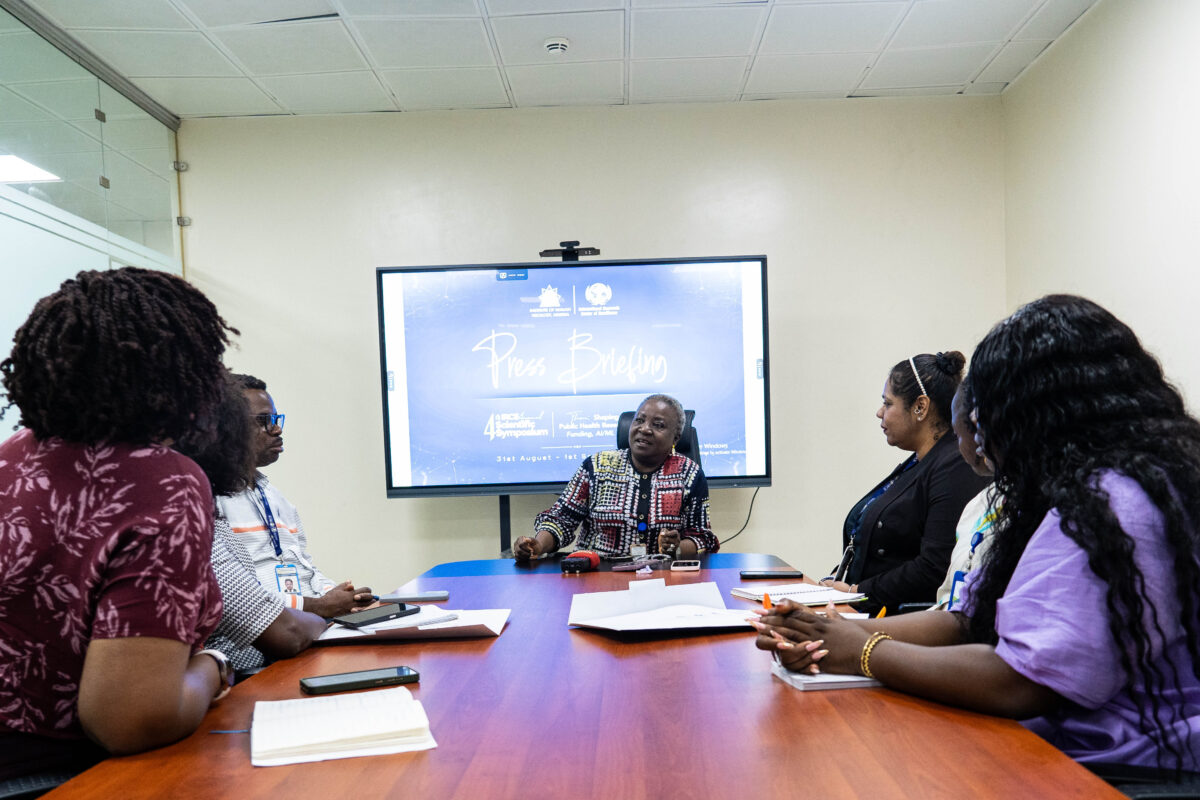
The International Research Center of Excellence (IRCE) at the Institute of Human Virology Nigeria (IHVN) is inviting researchers, scholars, public health practitioners and professionals to share innovative research findings, experiences and best practices at the upcoming 4th Annual Scientific Symposium.

Abstracts related to the symposium’s theme, “Shaping the Future of Public Health Research: Sustainable Funding, Artificial Intelligence/ Machine Learning and Innovation” can be submitted at bit.ly/ISS2026abstractsubmission before 30th June, 2026.

Interested researchers can submit abstracts under the following sub-themes:

  • Sustainable Funding for Public Health and Research
  • Research Innovation and Integrated Technologies
  • Capacity Building, Stakeholder Engagement and Policy Innovation in Global Health
  • Artificial Intelligence and Machine Learning
  • Pandemic Preparedness and Health Security and
  • Implementation and Implementation Science.

The 4th IRCE Annual Scientific Symposium is to hold from 31st August to 1st September 2026 at the IHVN Campus in Abuja.