• Working Hours - Mon - Thu: 8:00 - 17:00; Fri: 8:00 - 14:00
What are you looking for?

Category Archives: Success Story

A Nurse’s Commitment: How Compassion is Changing TB Care in Nigeria  

Our Lady of Apostles Hospital, Jos, a Faith-Based Organization (FBO) is one of the private providers providing tuberculosis (TB) and HIV services with support from Leprosy and Tuberculosis Relief Initiative (LTR), a sub-recipient of the Institute of Human Virology Nigeria (IHVN)

With funding support from the Global Fund to Fight HIV, TB and Malaria, the hospital provides tuberculosis services. 

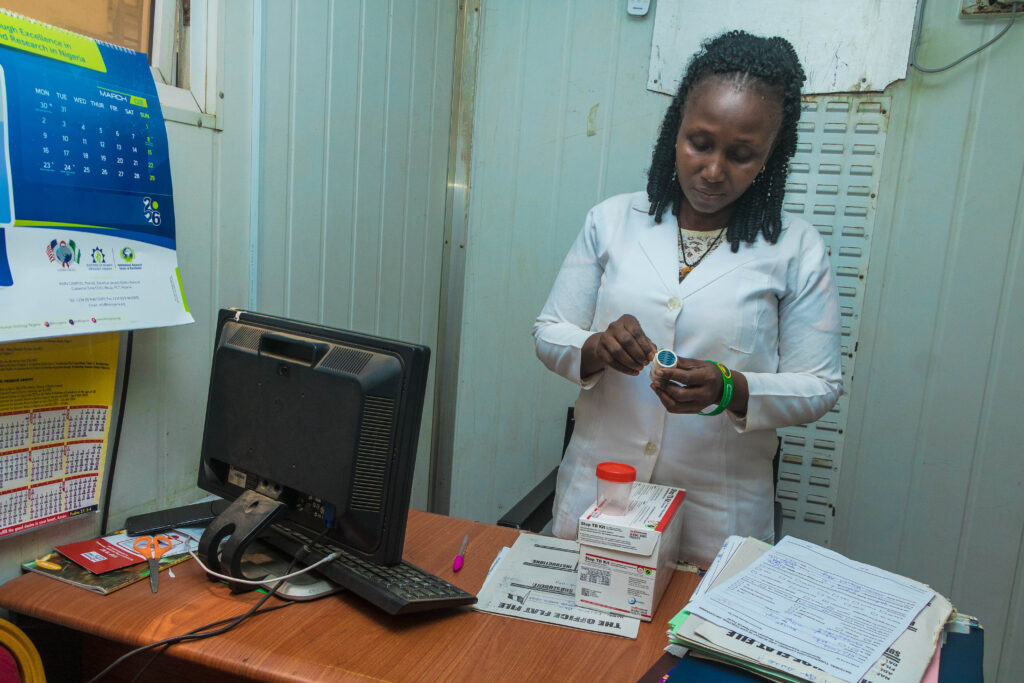
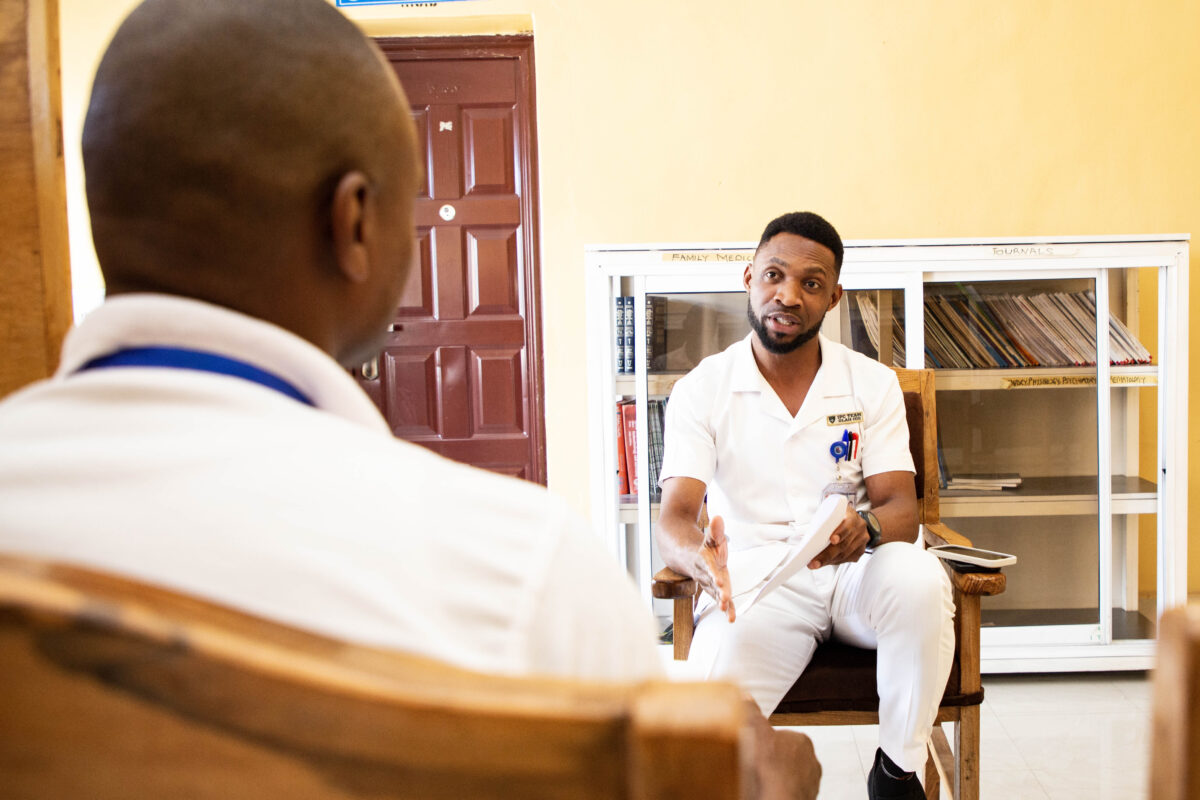
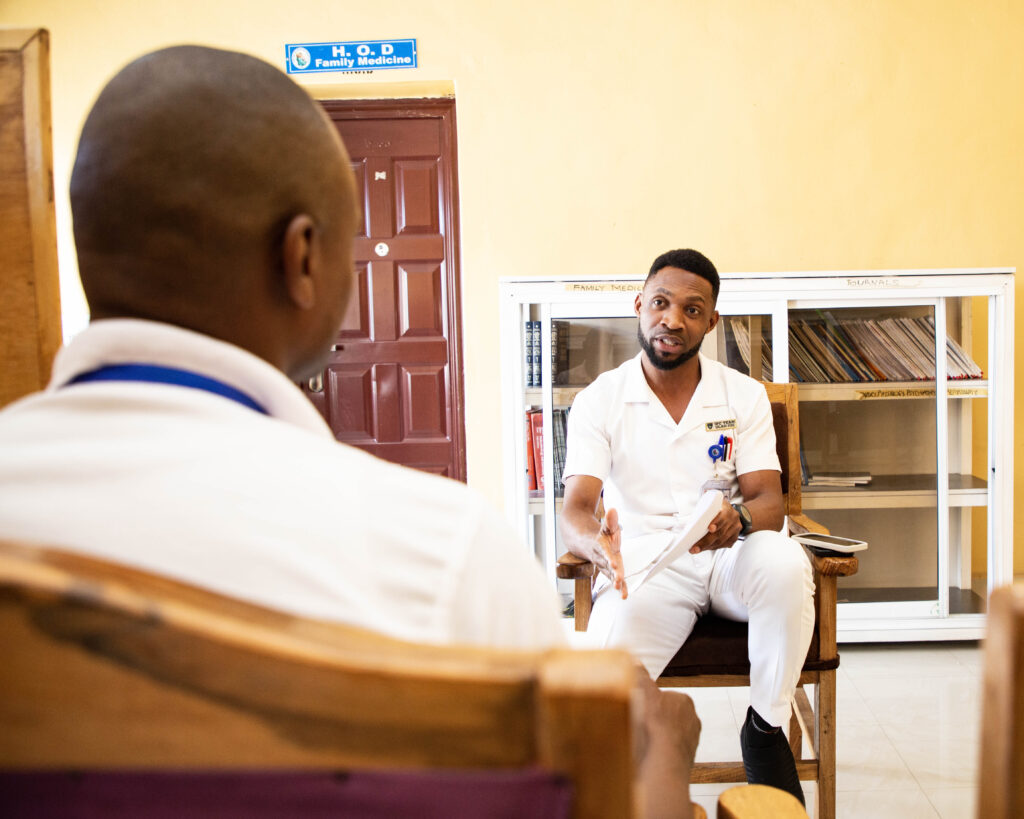
For the hospital, the fight against tuberculosis (TB) is not just clinical, it is deeply personal. At the heart of this effort is Emmanuel James, a registered nurse and TB DOT Officer whose journey into TB care began unexpectedly but has since become a calling.

“I actually wanted to work in the Intensive Care Unit,” Emmanuel recalls with a smile, but because I had taken a basic TB course, I was moved to the TB Unit. “I was told that the unit had never had a nurse with a TB background before.  I have found joy in helping patients get better.”

Over the past four years, Emmanuel has dedicated himself to ensuring that TB patients not only receive treatment but also complete it successfully. His role goes beyond administering medication. He supervises patient care, leads infection prevention efforts, and ensures that both patients and healthcare workers remain safe.

A typical day for Emmanuel is anything but routine. Yet, what stands out most to him are the small victories. “I like it when patients come in and say, ‘I feel better today.’ That means everything,” he says. “Our work is built on empathy. We listen to our patients and help them find solutions that work for them.”

This patient-centered approach is a cornerstone of the success of the Global Fund tuberculosis program in Nigeria. It means that rather than strictly enforcing guidelines, Emmanuel adapts treatment plans to fit individual lifestyles while still staying within medical standards.

“We’re not just book-oriented; we’re patient-centric,” he explains. “If a patient says 6 a.m. works best for their medication, we help them set reminders, so they don’t miss it. When patients feel heard, they are more committed to their treatment.”

One of the biggest challenges his patients face is not the medication itself, but everyday realities like hunger and transportation. “Some patients skip their drugs because it increases their appetite, and they don’t have enough food,” he shares. “Others struggle with transport costs. So before starting treatment, we look at how far they live and try to make things easier for them.”

Despite these challenges, Emmanuel has witnessed remarkable stories of resilience. One case that stands out involved a patient who repeatedly tested positive for TB even after completing treatment. “He was worried because he kept hearing TB is curable, yet he wasn’t getting better,” Emmanuel recounts.

“After further testing, we discovered he had drug-resistant TB. He went through another round of treatment, and today, he’s completely fine. He still checks in to say he’s doing well. That kind of outcome is incredibly fulfilling.”

Beyond physical healing, Emmanuel has also seen how TB treatment can restore lives. He remembers a young woman who faced both illness and rejection from her family. “She was very sick and emotionally broken because her family had abandoned her,” he says. “We worked with her, counseled her, and even tried to reconnect her with her family. It took time, but after about three months, they accepted her again. That was when we truly saw her recover not just physically, but emotionally. Today, she’s doing well in her business and with her family.”

Due to the commitment of health care workers like Emmanuel, the Global Fund Nigeria TB-HIV Reach, Integration and Impact Project (N-THRIP) project has identified more than 237,000 individuals with tuberculosis including 85, 565 children and 3,038 people with drug-resistant tuberculosis between January 2024 and December 2025.

For Emmanuel, success is not measured in numbers but in transformation. “When I see a patient gain weight, stop coughing, and smile again that’s success,” he says. “Even when they come in sad, I want them to leave feeling better.”

Emmanuel’s message to anyone starting TB treatment is simple but powerful: “Take your medication as directed and don’t be afraid. TB is curable. We’re here to support you every step of the way.”

And to the wider community, he emphasizes prevention: “If we all practice basic measures like proper cough etiquette and early testing, we can reduce the spread. Prevention is always better than cure.”

Through compassion, innovation, and unwavering commitment, thousands of health care workers across the country are contributing to the fight against tuberculosis in Nigeria.

IHVN and its sub-recipients like LTR continue to provide support and mentorship to ensure that prevention, treatment and care services for tuberculosis are provided.
Bringing Hope to Every Doorstep: GF-NTHRIP Project Reaches Over 14m Nigerian Women  

The Global Fund Nigeria TB-HIV Reach, Integration and Impact Project (N-THRIP) project is implemented by the Institute of Human Virology Nigeria (IHVN) to boost Nigeria’s fight against HIV and TB by improving collaboration, combining resources, integrating services for HIV and TB diseases and making services easier to access in communities and health facilities across the country.  

The project is implemented in the 36 states and the Federal Capital Territory in collaboration with sub-recipients across the country and with the technical oversight of key government stakeholders, including the Federal Ministry of Health and Social Welfare (FMoHSW), the National AIDS and STDs Control Programme (NASCP), the National Agency for the Control of AIDS (NACA), the National Tuberculosis, Buruli Ulcer and Leprosy Control Programme (NTBLCP), the Network of People Living with HIV and AIDS in Nigeria (NEPWHAN), and a broad network of community-based organisations (CBOs).

One of the project’s innovative approaches is carrying out house to house screening, testing for tuberculosis and HIV and linkage to health facilities.

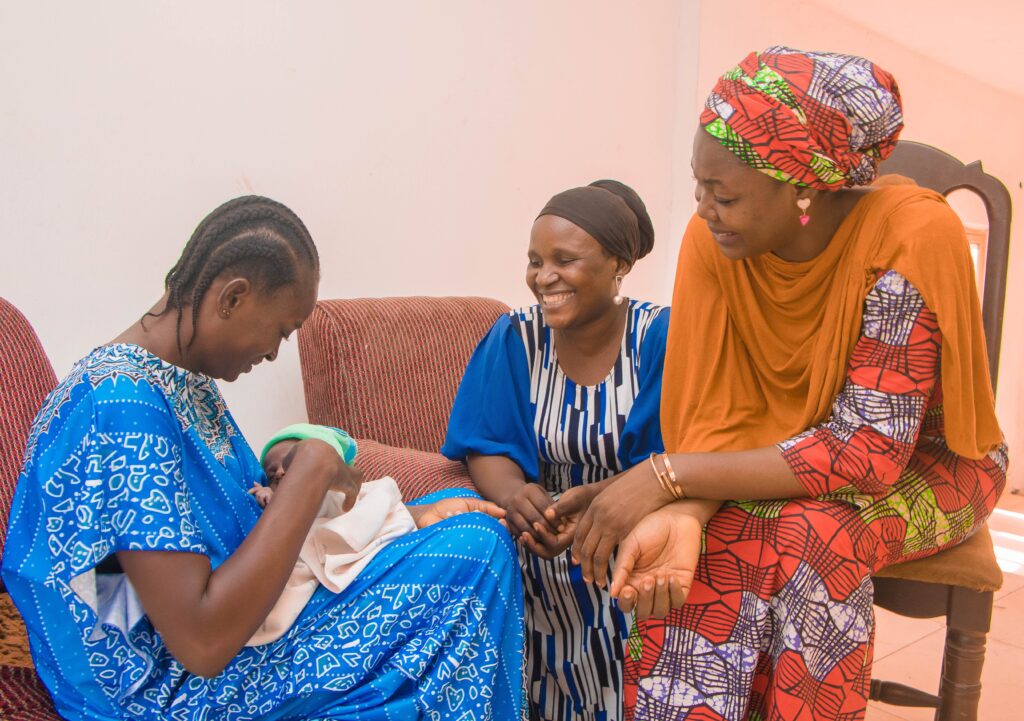
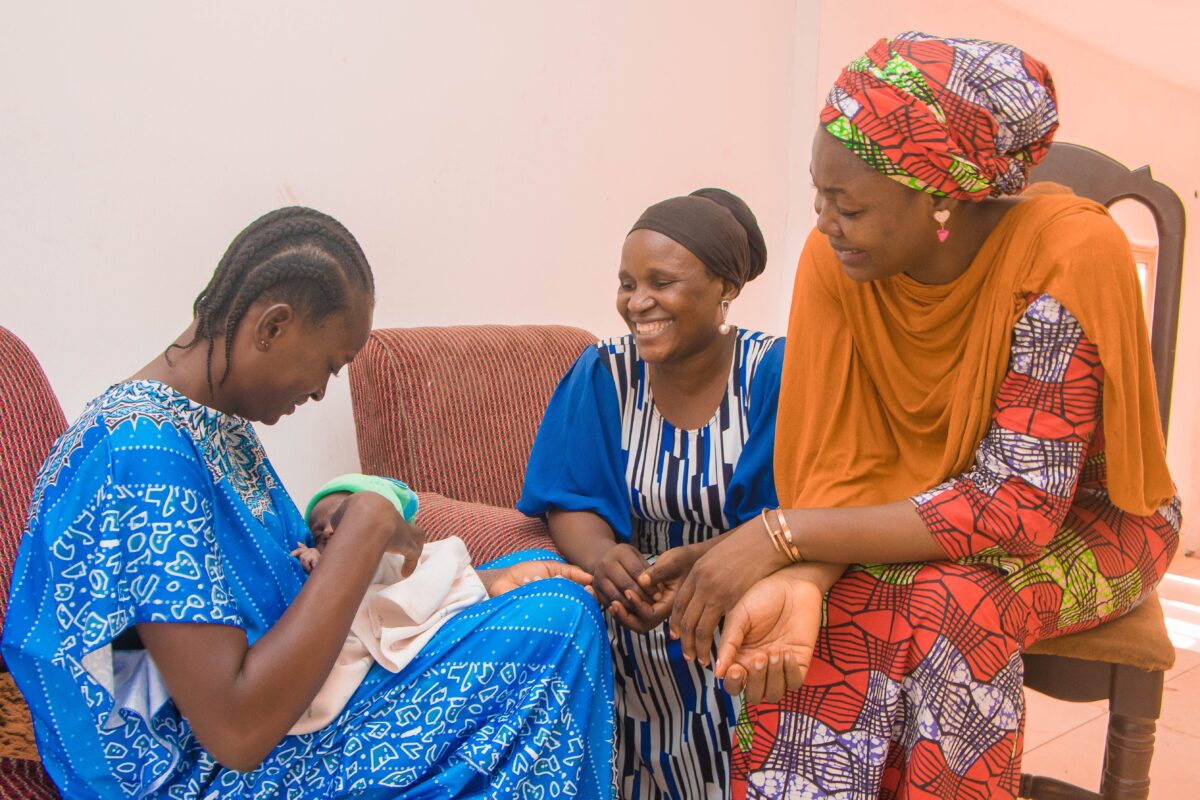
Joy A. is one of the 14,852,690 Nigerian women who have been reached by the project between January 2023 and April 2026. Her baby is one of the 60,733 HIV free babies born.

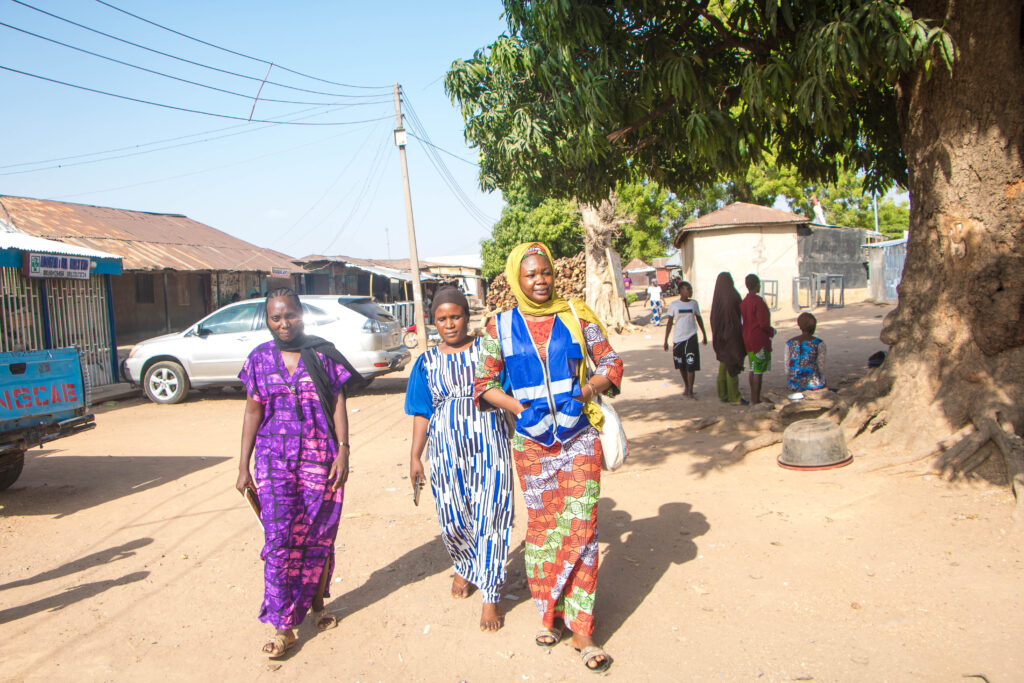
Joy was pregnant for her first baby when she was identified by a community team of a mentor mother and a community health volunteer in December 2025 at Lambata, in Kwali Area Council of the Federal Capital Territory.

“They saw me and other women fetching water at a community bore hole. They told us about the free tests they were offering and encouraged us to participate. I decided to do the checks. It was convenient,” she said.

Though Joy was eight months pregnant, she had not conducted any health checks.

“My husband and I are farmers, we often travel and stay in our farm for months farming crops like corn, guinea corn and casava. I had just returned after some months at the farm when I met the health workers close to my house,” Joy said.

The community volunteers counselled and tested Joy for HIV and screened her for tuberculosis.

Joy said the HIV positive test result left her sad, afraid and worried if not for the timely counsel of the Mentor Mother, Habiba Ismaila.

“I assured her that HIV is not a death sentence. I shared my experience with her. I have been living with HIV for more than ten years and my three children are HIV free,” Habiba said.

Habiba immediately linked Joy to a nearby health facility for antenatal services, anti-retroviral treatment and prevention of mother-to-child transmission of HIV services. In the weeks that followed, she called Joy regularly to check on her health, remind her about hospital appointments and the need to adhere to taking her medications as prescribed.

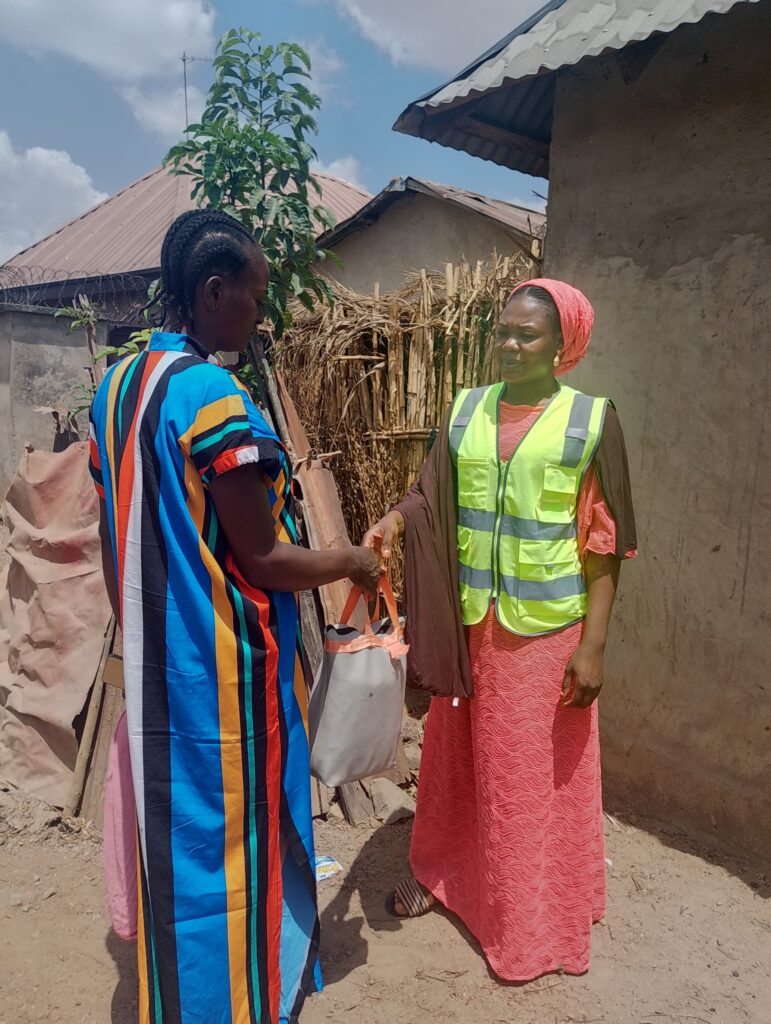
The Community Volunteer, Fatima Yakubu, also contacted Joy and provided herwith a mama pack which had items such as toiletries, baby clothes and other items to support delivery and post-natal care of the baby.

Both Habiba and Fatima have continued to support Joy and make sure she receives the free PMTCT services available. Joy was delivered of a baby boy in February 2026.

“One of the things that has made me so happy in my life is the birth of my son. I am happy that he is HIV free, has a chance at living a healthy life and that I am strong to take care of him despite my status,” Joy said smiling.

Another joy that Joy has is the support of the mentor mother and community volunteers. They are encouraging her to go for the necessary follow-up checks and tests when the baby is nine months and 18 months.

The Association of Family and Reproductive Health (ARFH) works as the sub-recipient to IHVN in GF-NTHRIP project in the Federal Capital Territory, Nasarawa, Kogi, Ekiti, Kwara and Rivers State.  ARFH FCT Technical Assistant, Maryamu Johnson said that community activities include “identification of birth homes, capacity building of Traditional Birth Attendants to screen pregnant women not enrolled for antenatal care or any forms of care for HIV, syphilis, Hepatitis B virus and tuberculosis.”

IHVN Senior Program Manager, GF-NTHRIP Project, Dr. Adebayo Opeyemi stated that the project utilizes evidence-based strategies to reach communities.

“GF N-THRIP deploys targeted HIV Testing Services (HTS) awareness campaigns at the community level, creating demand for services among pregnant women. The project spearheads testing at Traditional Birth Attendants and maternity homes, house-to-house screening for tuberculosis and linkage of HIV-positive women to care by mentor mothers. IHVN also coordinates deployment of test kits and consumables with NASCP,” he said.

“I’m Happy my Child is Cured of Tuberculosis” – Mother of Three-Year-Old TB Survivor

The African proverb, “It takes a village to raise a child” is a reminder that it takes collective efforts to ensure that no child is left behind in the fight against tuberculosis in Nigeria.

With funding support from the Global Fund to Fight AIDS, Tuberculosis and Malaria (GF), Institute of Human Virology Nigeria (IHVN) is working with the National Tuberculosis and Leprosy Control Programme (NTBLCP) and partners across the 36 states and Federal Capital Territory to find and treat tuberculosis in children and adults.

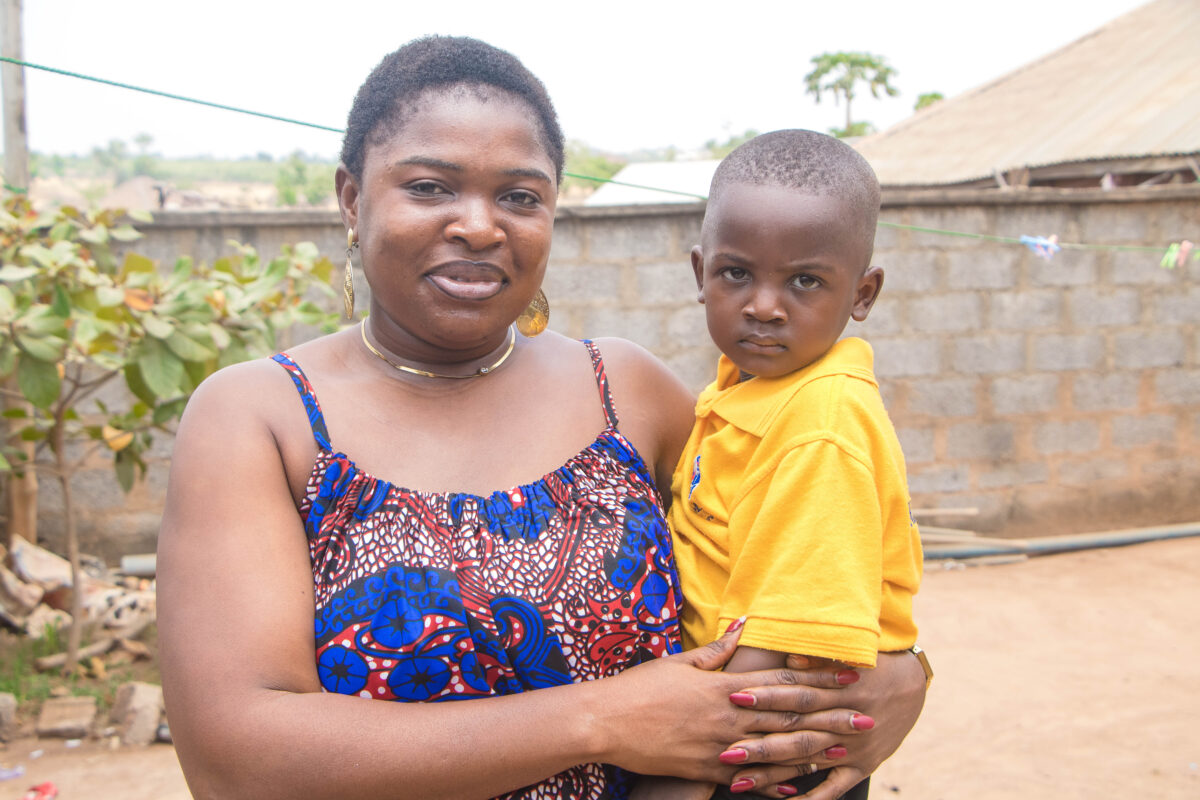
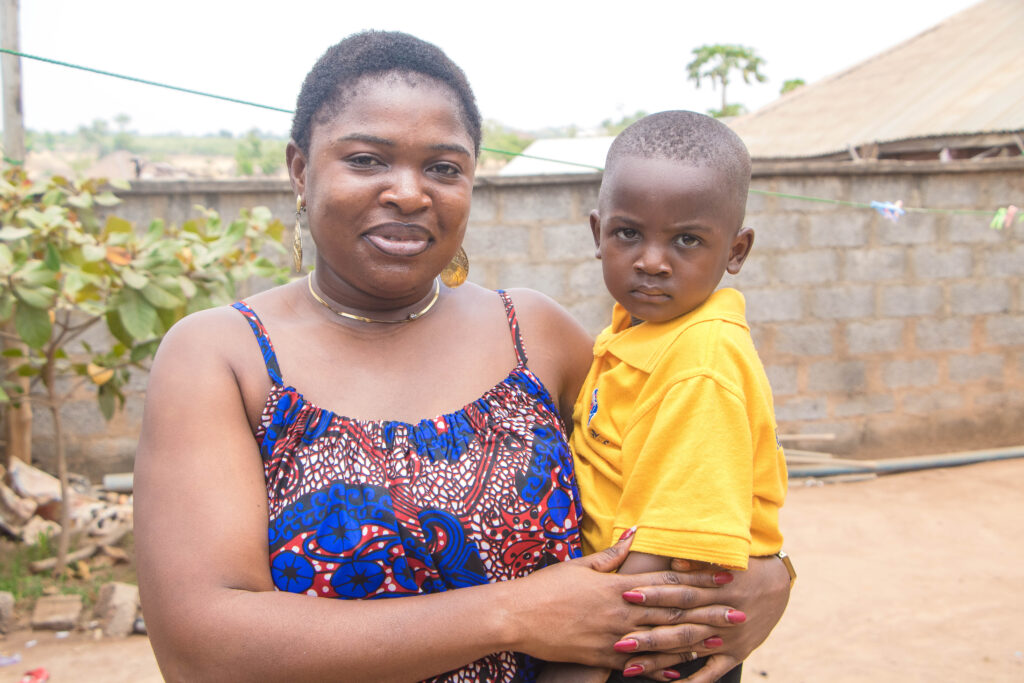
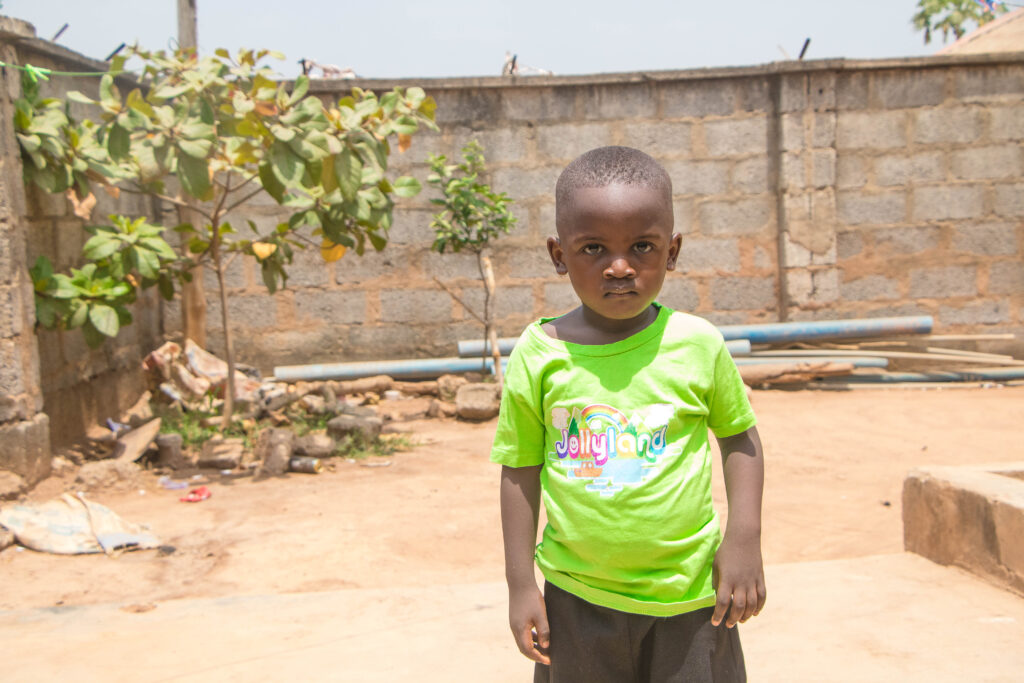
Three-year old Faithful Dam is one of the children identified with tuberculosis by the Global Fund GC7, Nigeria TB-HIV Reach Integration and Impact Project (N-THRIP program). More than 60,0000 children have been identified from January 2024 till date under the project.  Faithful is now TB free after completing six months of treatment. His story is one of collective efforts and resilience to fight tuberculosis.

Faithful’s experience with tuberculosis started in April 2025 when his mother, Gloria Dam, noticed swollen lymph nodes all over his neck. She wondered what to do about the hard swellings and went to a nearby patent medicine store where she obtained antibiotics.

The antibiotics she got were only the beginning of several medications which drained her family’s income. When his health did not improve, she got more worried and asked family, friends and neighbours what to do.

“Some told me to rub palm oil on him, others said it was spiritual and I should take him to the village for prayers. Some said I should press the swollen area with hot water. Faithful did not get better after she tried herbs and local therapies. I was frustrated, tired and had several sleepless nights. I did not even think that it could be tuberculosis because nobody around me has had tuberculosis. I used to think that tuberculosis only infects people who smoke,” Gloria said.

She shunned pressure to go to spiritualists and rather went to a nearby Primary Health Center. Gloria discovered that the health care workers at the center were on strike, so she went to Garki Hospital in Abuja.

The TB Directly Observed Therapy (DOT) Officer at the hospital, Salome Chijioke recalled that when Gloria stepped into the TB DOT Clinic in August 2025, she was crying and her baby was weak with a high fever.

“When they came, we reassured them that they have come to the right place. A Gene Xpert test and Chest Xray were conducted for Faithful which showed that he had tuberculosis,” Salome said.

Gloria was sad when she heard the diagnosis but relieved to know that TB is curable. She was also happy that when Faithful commenced treatment, he showed signs of improvement.

The path to health was not one that she walked alone. Her husband provided moral support and care for her and Faithful while Faithful’s siblings also cooperated when he needed to be out of school for two months. The DOT officer provided counselling and support to ensure that her son adhered to the medications for six months even when initial side reactions tempted her to stop treatment.

Medications were given to her for free with funding support from the Global Fund, TB program coordination by NTBLCP and implementation by IHVN and the Association for Reproductive and Family Health (ARFH).

Faithful’s progress was also monitored closely at the DOT center. Salome, the TB DOT Officer, called Gloria often to check Faithful’s health, they received medications and one-on-one counselling support monthly during visits. Follow-up tests were conducted at month two, month five and after completion of the medication, at month six at the hospital.

Faithful also contributed to the success of his treatment by willingly taking his medication.

“Every day, he would remind me about his medication. Initially, I was concerned that he might reject the medications, but he was cooperative,” Gloria added.

The family was also tested for tuberculosis and placed on TB preventive treatment.

Faithful is now healthy and strong enough to play, participate in his usual school activities and even write his end-of-term exams.

“I am grateful for all the support given. I know we would not have been able to afford the medications if it was not provided for free. I advise mothers to immediately go to the hospital if they notice the same kind of symptoms that Faithful had. I regret that I delayed in seeking opinions from friends and neighbours before seeking medical help. I wasted time and money.” Gloria said.

Salome added that it is important to continue to create awareness about tuberculosis to stop its spread and leave no one behind. Symptoms to look out for include cough for more than two weeks, fever, night sweets and weight loss.

According to her, “some people think that tuberculosis can be transmitted from mother to child, but TB is an airborne disease.”

IHVN Program Manager, Dr. Adekola Adekunle explained that innovative strategies such as the National Childhood TB Testing Week, Childhood TB diagnosis using stool sample for Xpert MTB/RIF test, support for X-ray services among children, active contact investigation of households of bacteriologically diagnosed index TB patients, integration with other disease programs, are being implemented to find and treat tuberculosis in children and these has offered promising strongpoints for ending tuberculosis in our lifetime.

Indeed, it takes the collective responsibility of all to leave no child behind in addressing tuberculosis.

Our HIV Free Babies Bring us Joy – Women Living with HIV

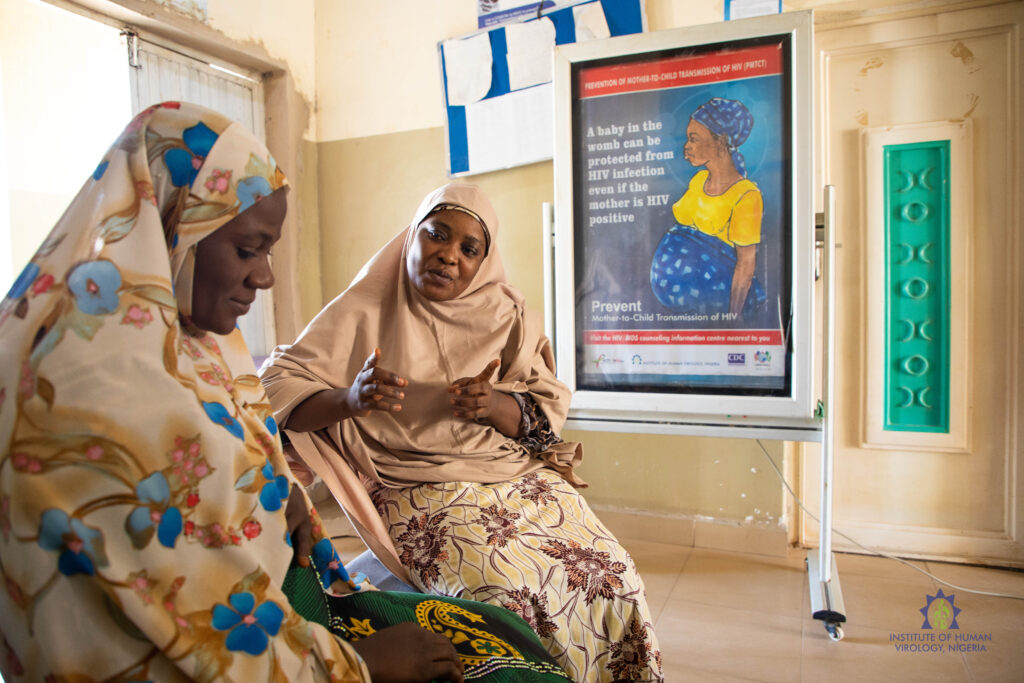
A common thread that runs through the lives of many women living with HIV who have received prevention of mother-to-child transmission of HIV (PMTCT) services is the joy of having HIV free babies.

 Institute of Human Virology Nigeria (IHVN) provides PMTCT services in Katsina state since 2004 with support from the US Presidents Emergency Plan for AIDS Relief (PEPFAR) through Centers for Disease Prevention and Control (CDC). 

“Over the past seven years in Katsina State, more than 1,800 HIV-exposed infants whose mothers received PMTCT services have remained HIV-free,” says IHVN Katsina State Maternal, Child Health Lead, Mrs. Farida Salisu Maiadua.

Mrs. Maiadua says that pregnant women are regularly counselled to support adherence to their medications as prescribed.

“In our supported facilities, all women living with HIV of reproductive age are screened for pregnancy during every hospital visit. This is to rule out pregnancy as early as possible to start PMTCT. Their viral load is regularly monitored as stated in the National Guideline. Mentor mothers in health facilities constantly call and visit them to check on their health and follow-up on their hospital appointments. Before delivery of their babies, we ensure that the preventive medications are available and encourage them to come to the facility for an early infant diagnosis test within three days of delivery.”

Asides these steps, she adds that the Institute encourages early and exclusive breastfeeding for six months, and breastfeeding for 12 months.

Though from different backgrounds, ages and with different stories, women who have gone through PMTCT have smiles on their faces.

28-year-old Jemila A. is one of the women who have benefitted from these services. When she knew about her HIV positive status in 2021, she was single and afraid that she would not get married because of her status. She was however encouraged by the counselling she received at the hospital. Jemila did not just get HIV services in the hospital; she met her husband there!

The adherence counsellor linked them both and they interacted regularly at support group meetings. Their love story is still unfolding, and Jemila’s excitement is that she has a HIV free baby girl.

“I was counselled constantly about how to live healthy with my status and take medications at the right time. The mentor mothers were with me at the labour room. They’ve been guiding me on when to come for tests for the baby. My baby’s next test will be when she turns 9 months old.  With the help I’ve received, I now encourage pregnant women who don’t like going to the hospital to do so. I’ve even escorted some to the hospital,” Jemila says.

Dalhatu E., a tailor, is another woman who has received PMTCT services.

“My baby is now six weeks. I feel so happy when I look at her. The staff in the hospital are friendly; they don’t stigmatize me so I’m always happy coming here. For nine years, I’ve been living with HIV. My husband also supports me though he is not HIV positive,” 40-year-old Dalhatu says.

Dalhatu’s baby is one of the 72 HIV free babies delivered in General Hospital Katsina between October 2024 and November 2025.

Nafisa B. also has a nine-month HIV free baby. Nafisa has lived with HIV for more than 11 years and is now an advocate to women to visit the hospital for a HIV test and regular checks especially during pregnancy.

“This is the 3rd baby that I have received PMTCT services for and she is HIV free,” Nafisa says with a smile.

Jemila, Dalhatu and Nafisa all receive support from mentor mothers who guide them through the process of HIV prevention during pregnancy, delivery and till their babies are about two years old.

IHVN Supported Mentor Mother Nuratu Sani says she is happy when she can assist her peers during pregnancy, antenatal care, delivery and care for the baby.

“Two of the women I supported named their children after me,” she said beaming with delight.

“I guide women living with HIV through all the required hospital tests and support them through receiving all the available services like adherence counselling, proper documentation, amongst others. I am friends with all the pregnant women living with HIV who come to this facility,” she explains.

IHVN Katsina State Manager, Dr. Felix Nwajiani says taking HIV services to the community to enhance prevention of mother-to-child transmission of HIV services remains key.

“We work with health facilities to provide comprehensive HIV services including antenatal care and PMTCT services across all the 34 local government areas in Katsina State. Beyond providing these services in the facilities, our community PMTCT program which targets unconventional settings like the traditional birth attendants. Usually, traditional birth attendants in the state are not culturally known to conduct ANC. Therefore, to reach communities despite the insecurity in the state, IHVN is leveraging on the existing structure of roving midwives who are indigent and are professionally trained to conduct ANC and can penetrate the nooks and crannies of each LGA. They were supported with training and logistics to cover more communities and it is working awesomely,” he reveals.

Katsina State Maternal Neonatal and Child Health Focal Person, Mrs Zainab Sherrif Abdulkadir says that the State government is partnering with IHVN to sensitize communities about PMTCT.

“We tell them the importance of antenatal care, and HIV testing. The state government provides free test kits for pregnant women. The state also provides free antenatal care and delivery services for pregnant women. We have regular outreaches to the local governments with First Lady of Katsina State, Hajiya Zulaibat Dikko Umaru Radda to create awareness about PMTCT and give pregnant women free mama kits with delivery essentials. We like the work the mentor mothers are doing with women living with HIV for linkages and other services and believe this will be sustained. Free HIV babies in Katsina State are the goal and this is being achieved,” Mrs. Abdulkadir adds.

Roving Midwives take HIV Services to Communities in Katsina State

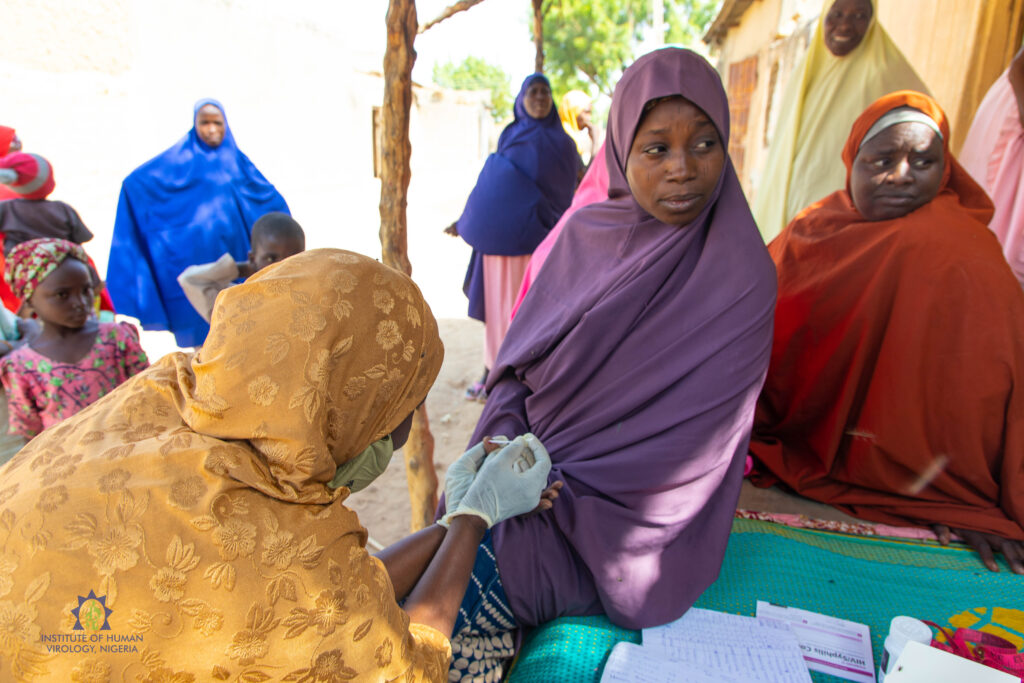
“In the past three years, I have lost two babies, a boy at seven months and a girl at five months. I did not know my HIV status neither did I know theirs until some midwives came to my community in Modoji, Katsina for an outreach in August 2025. They spoke to pregnant women about antenatal care, counselled us and carried out HIV tests.

 I tested positive to HIV. I was seven months pregnant at the time. I was sad and did not know anything about preventing my baby from having HIV until they guided me on what to do,” said Khadijat Ishaq, a 23-year-old woman who benefitted from the “roving midwives” program implemented by the Institute of Human Virology Nigeria (IHVN) in Katsina State.

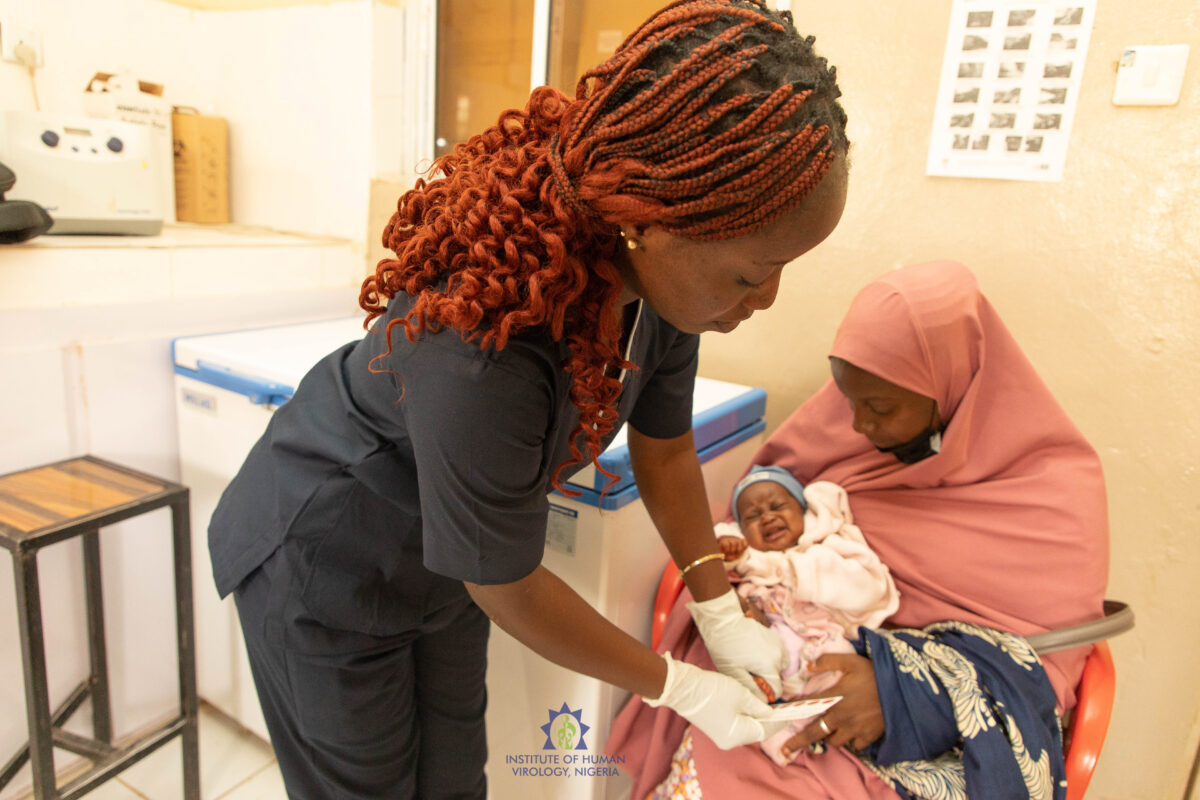
IHVN started the roving midwives’ program in Katsina state in 2022 to increase access to HIV services especially prevention of mother-to-child transmission (PMTCT) in communities. Trained Community Health Extension Workers (CHEWs) and midwives schedule weekly visits to communities in the 34 local government areas in the state to sensitize pregnant women about HIV, provide antenatal care services and HIV testing. HIV positive women are then taken from the community to the hospital for life saving medications and care for mother and child.

Khadijah received free HIV services for herself and baby before, during and after pregnancy and is delighted that the second early infant diagnosis test shows that the baby is HIV free. She is one of the 77,848 women screened across the state due to the strategy and one of the 11 new HIV positive women linked from the community to health facilities to receive PMTCT services through the program.

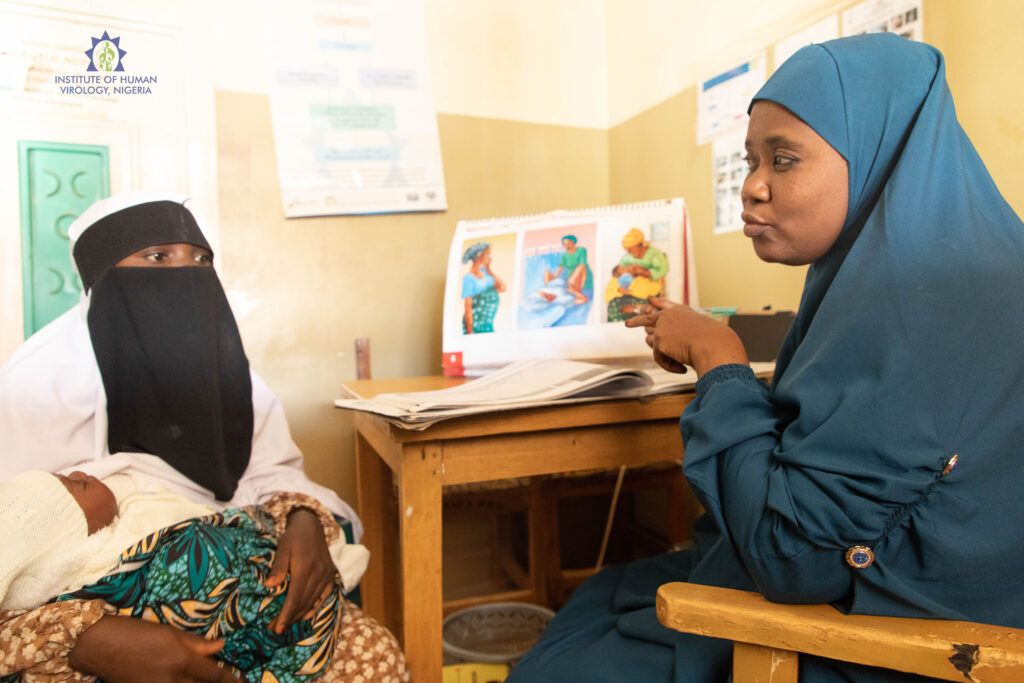
One of the services she receives is peer guidance and counselling by mentor mothers. Mentor mothers have gone through the PMTCT program and provide guidance to newly enrolled women who are unsure of next steps.

“When one of the roving midwives brought me to General Hospital Katsina after the outreach, the mentor mothers here welcomed me like a friend. They counselled me about adhering to HIV medications and I decided to take my medicines at 8am daily. The mentor mothers and other health care workers told me about the importance of telling my husband about my status and encouraging him to come to the hospital for a test. My husband supports me. The mentor mothers also call me to check on my welfare and guided me to take a viral load test. I’m told that the virus is suppressed because I am adhering to treatment. I have been exclusively breastfeeding my baby.  I feel happy every time I come to the hospital because I know that there are people here who care for me,” Khadijah added.

IHVN Senior Program Officer Prevention Care and Treatment, Mrs Salisu Faridah Maiadua said that the program was birthed to reach women in communities who may hardly ever go to the hospital for antenatal care due to security challenges, distance from their houses to the nearest functional public facility, transportation costs, lack of spousal or family consent, cultural peculiarities amongst other reasons.

“We considered working with traditional birth attendants to reach women in communities, but this did not suit our cultural reality. Traditional birth attendants are utilized only for delivery of children and not for antenatal care of women. We therefore decided to collaborate with the State Primary Health Care Development Agency to enlist midwives, nurses and community health extension workers – there are many of them here due to the good number of health colleges in the state. These health workers reside in the different local government areas and are the best hands to create awareness and provide HIV services to their people. We trained the local government MNCH focal persons and the roving midwives to carry out HIV counselling and testing and they work with us closely to provide these services in all the local governments” Faridah said.

She explained that the state government has shown great interest and support for the program which gives room for sustainability of community activities to reach women and children.

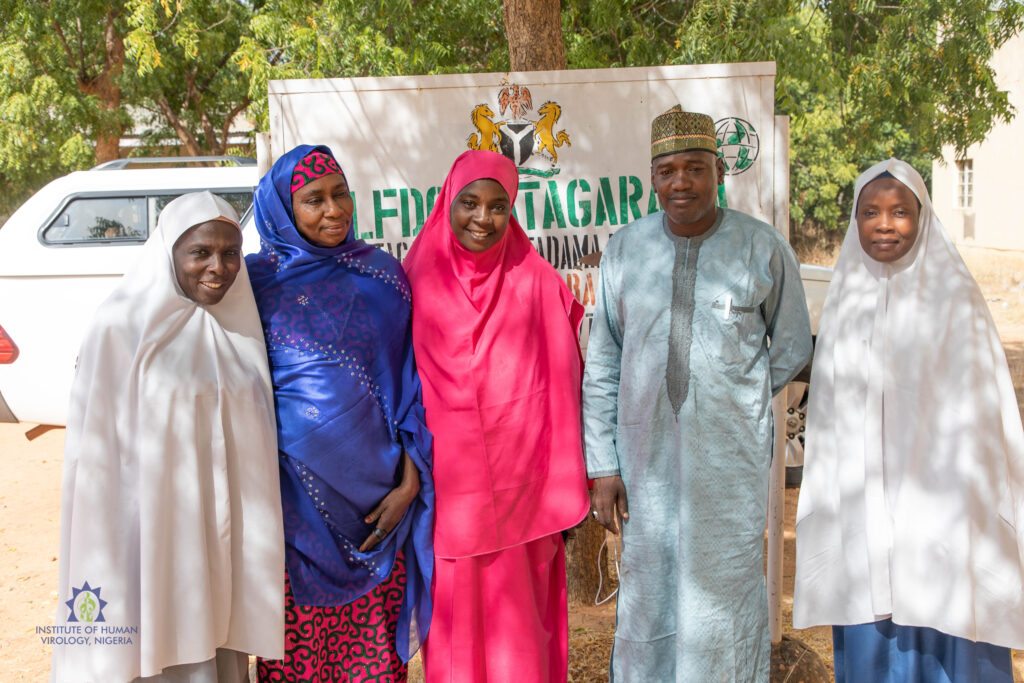
Maternal Neonatal and Child Health Focal Person for Batagarawa Local Government Area, Binta Rabo, goes out with the roving midwives for outreach activities. They conduct advocacy visits to the village heads and agree on a suitable date before going for an outreach. Thereafter, a town crier goes round the community to inform women about the date and the need to participate.

“I love the work, more women in the communities are becoming aware about their health and HIV testing. In fact, some of them who did not go to the hospital before are now going to the hospital. With the outreaches, we have been able identify HIV positive women and even notice other diseases and guide the women appropriately on how to access health services,” Mrs Rabo said.

The State MNCH Focal Person, Mrs. Zainab Sherrif Abdulkadir applauded the strategy and expressed the state’s willingness to partner with IHVN for the well being women in the state. “We always welcome ideas that help the community. The strategy has identified women in the community with HIV that might not have been identified in health facilities. Our women don’t like going to health facilities because of economic, insecurity issues, religion, culture and the hard-to-reach areas where there reside. The roving midwives go to remote areas to tell them the benefit of antenatal care and PMTCT.”

Halima Saidu, a midwife and Jamila Ibrahim, a Community Health Extension worker are part of the “roving midwives” in Bagarawa Local Government Area. They go to every community at least twice to provide antenatal care and HIV prevention services. The midwives have also integrated other health services like checking vital signs, blood pressure, provision of malaria prevention for pregnant women and routine drugs supported by the government and other stakeholders. They also give health talks on personal hygiene, nutrition and the need for antenatal care.

“More than 60 women show up for each outreach. Our community activities are leading to more acceptance of the need to go to the hospital. Taking these services to hard-to-reach areas gives me joy. We see women who dont go to hospital because of lack of awareness about its importance and we educate them. The prayers and happiness of these women is all the motivation I need,” Halima Saidu said.

In Katsina Local Government Area, Roving Midwives, Hussaina Abdullahi and Halima Abubakar say that the program has addressed the need of many women who have poor health seeking behaviour. “They only go to the hospital when their health situation is dire. Reaching them in the community has been more effective. We counsel them and create awareness about the need to go to the hospital and we notice that they are more receptive to us when we are among them than in the hospital,” said Halima Abubakar.

26-year-old Aisha Shehu received counselling at one of the outreaches in Katsina Local Government Area. She is four months pregnant for her first baby and  was unwilling to go to the hospital because she could not afford transportation costs. However, when she discovered her positive status during the outreach, she was taken to General Hospital Katsina for follow up tests and life saving medications.

“I cried and wanted to die because I thought that death was better than living with HIV. I have been hearing about HIV, but I didn’t know that I am HIV positive. In the hospital, the adherence counsellor and mentor mother calmed me down with their kind words. Today, I am assured of my health and that of my baby  because of the services I received here,” Aisha said.

IHVN Program Lead Maternal, and Child Health, Dr. Victoria Igbinomwanhia explained that the strategy is one of the community initiatives adopted by the Institute with funding support from the US Presidents Emergency Plan for AIDS Relief (PEPFAR) through Centers for Disease Control (US-CDC).

“In the four supported States where HIV services are provided, we have utilized strategies such as the Mothers’ Love Party (MLP), the Congregational Approach to PMTCT (CAP) such as baby shower/ Faith based CAP  where we work with community leaders and faith-based leaders to sensitize pregnant and breast feeding women in communities about HIV, provide HIV counselling, testing and other health services,” she said.

1 2 3 6