Our Lady of Apostles Hospital, Jos, a Faith-Based Organization (FBO) is one of the private providers providing tuberculosis (TB) and HIV services with support from Leprosy and Tuberculosis Relief Initiative (LTR), a sub-recipient of the Institute of Human Virology Nigeria (IHVN)
With funding support from the Global Fund to Fight HIV, TB and Malaria, the hospital provides tuberculosis services.
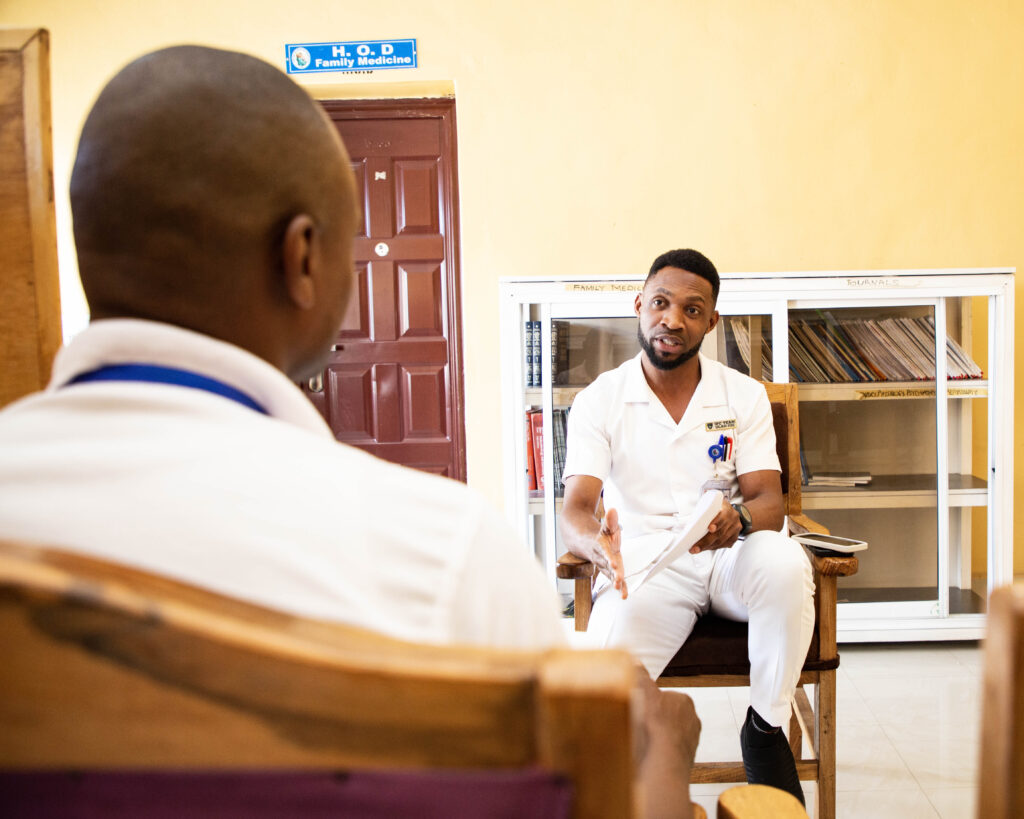
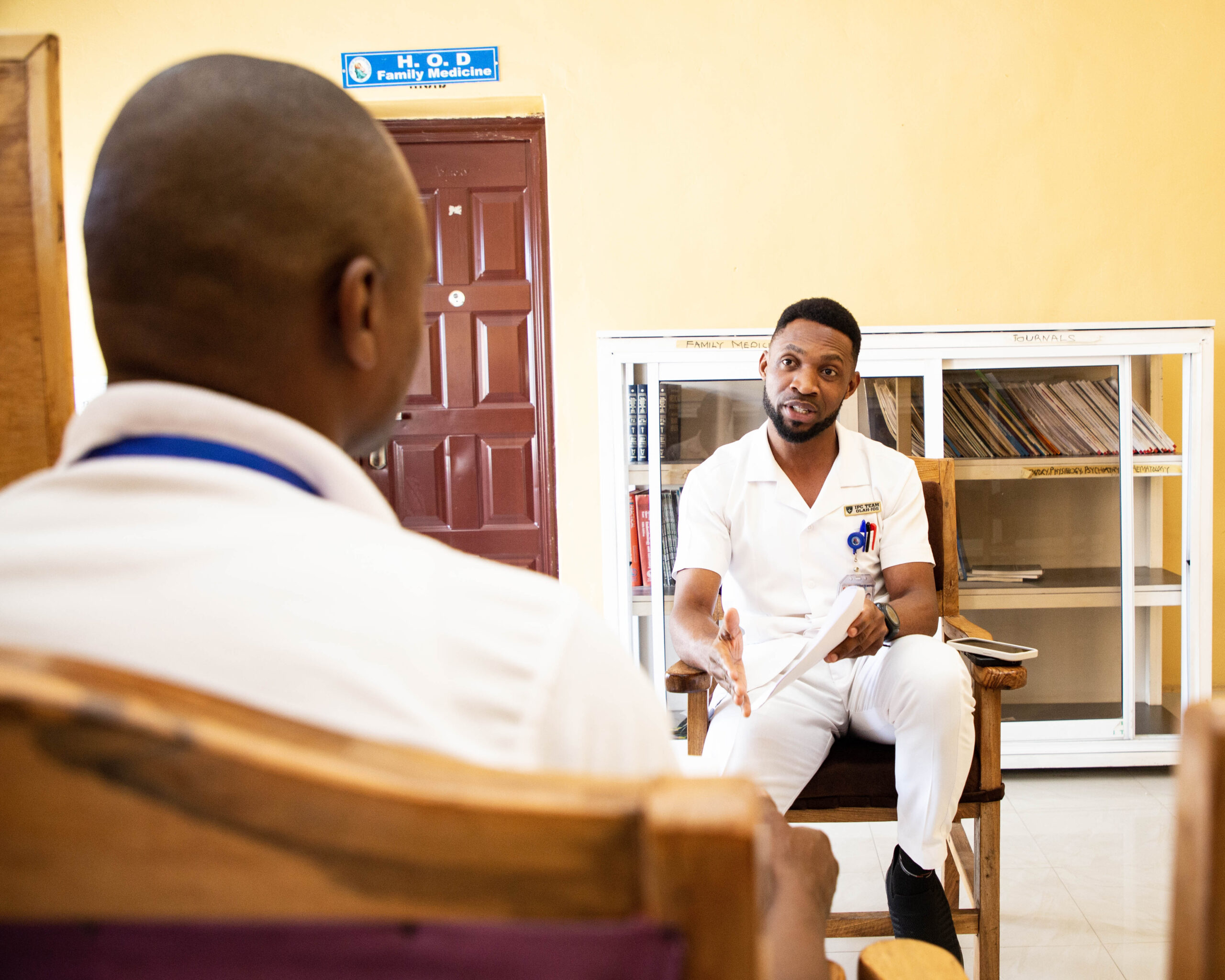
For the hospital, the fight against tuberculosis (TB) is not just clinical, it is deeply personal. At the heart of this effort is Emmanuel James, a registered nurse and TB DOT Officer whose journey into TB care began unexpectedly but has since become a calling.
“I actually wanted to work in the Intensive Care Unit,” Emmanuel recalls with a smile, but because I had taken a basic TB course, I was moved to the TB Unit. “I was told that the unit had never had a nurse with a TB background before. I have found joy in helping patients get better.”
Over the past four years, Emmanuel has dedicated himself to ensuring that TB patients not only receive treatment but also complete it successfully. His role goes beyond administering medication. He supervises patient care, leads infection prevention efforts, and ensures that both patients and healthcare workers remain safe.
A typical day for Emmanuel is anything but routine. Yet, what stands out most to him are the small victories. “I like it when patients come in and say, ‘I feel better today.’ That means everything,” he says. “Our work is built on empathy. We listen to our patients and help them find solutions that work for them.”
This patient-centered approach is a cornerstone of the success of the Global Fund tuberculosis program in Nigeria. It means that rather than strictly enforcing guidelines, Emmanuel adapts treatment plans to fit individual lifestyles while still staying within medical standards.
“We’re not just book-oriented; we’re patient-centric,” he explains. “If a patient says 6 a.m. works best for their medication, we help them set reminders, so they don’t miss it. When patients feel heard, they are more committed to their treatment.”
One of the biggest challenges his patients face is not the medication itself, but everyday realities like hunger and transportation. “Some patients skip their drugs because it increases their appetite, and they don’t have enough food,” he shares. “Others struggle with transport costs. So before starting treatment, we look at how far they live and try to make things easier for them.”
Despite these challenges, Emmanuel has witnessed remarkable stories of resilience. One case that stands out involved a patient who repeatedly tested positive for TB even after completing treatment. “He was worried because he kept hearing TB is curable, yet he wasn’t getting better,” Emmanuel recounts.
“After further testing, we discovered he had drug-resistant TB. He went through another round of treatment, and today, he’s completely fine. He still checks in to say he’s doing well. That kind of outcome is incredibly fulfilling.”
Beyond physical healing, Emmanuel has also seen how TB treatment can restore lives. He remembers a young woman who faced both illness and rejection from her family. “She was very sick and emotionally broken because her family had abandoned her,” he says. “We worked with her, counseled her, and even tried to reconnect her with her family. It took time, but after about three months, they accepted her again. That was when we truly saw her recover not just physically, but emotionally. Today, she’s doing well in her business and with her family.”
Due to the commitment of health care workers like Emmanuel, the Global Fund Nigeria TB-HIV Reach, Integration and Impact Project (N-THRIP) project has identified more than 237,000 individuals with tuberculosis including 85, 565 children and 3,038 people with drug-resistant tuberculosis between January 2024 and December 2025.
For Emmanuel, success is not measured in numbers but in transformation. “When I see a patient gain weight, stop coughing, and smile again that’s success,” he says. “Even when they come in sad, I want them to leave feeling better.”
Emmanuel’s message to anyone starting TB treatment is simple but powerful: “Take your medication as directed and don’t be afraid. TB is curable. We’re here to support you every step of the way.”
And to the wider community, he emphasizes prevention: “If we all practice basic measures like proper cough etiquette and early testing, we can reduce the spread. Prevention is always better than cure.”
Through compassion, innovation, and unwavering commitment, thousands of health care workers across the country are contributing to the fight against tuberculosis in Nigeria.
IHVN and its sub-recipients like LTR continue to provide support and mentorship to ensure that prevention, treatment and care services for tuberculosis are provided.