Researchers at the Institute of Human Virology Nigeria (IHVN) have said that Nigeria’s community midwifery program is effective in addressing maternal, neonatal health challenges in conflict-affected areas in North-East, Nigeria.
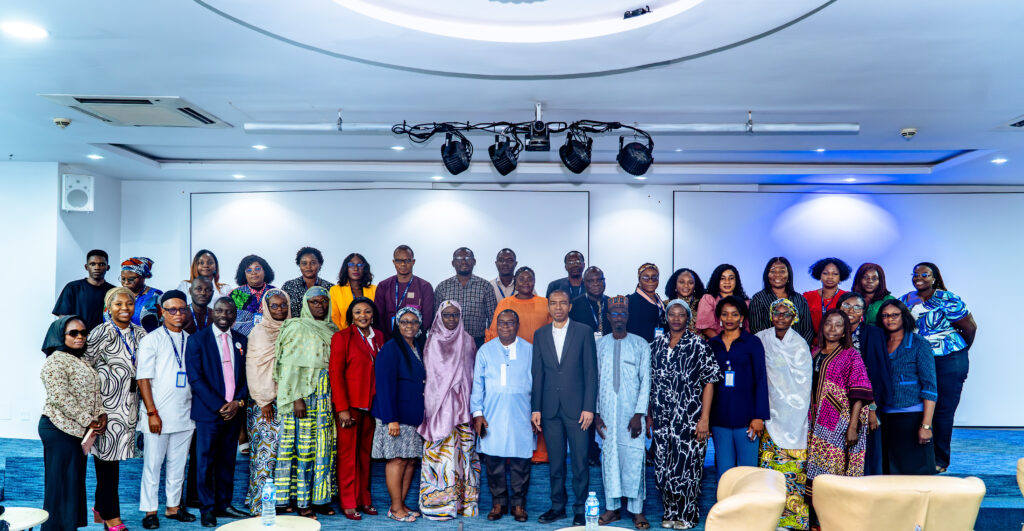
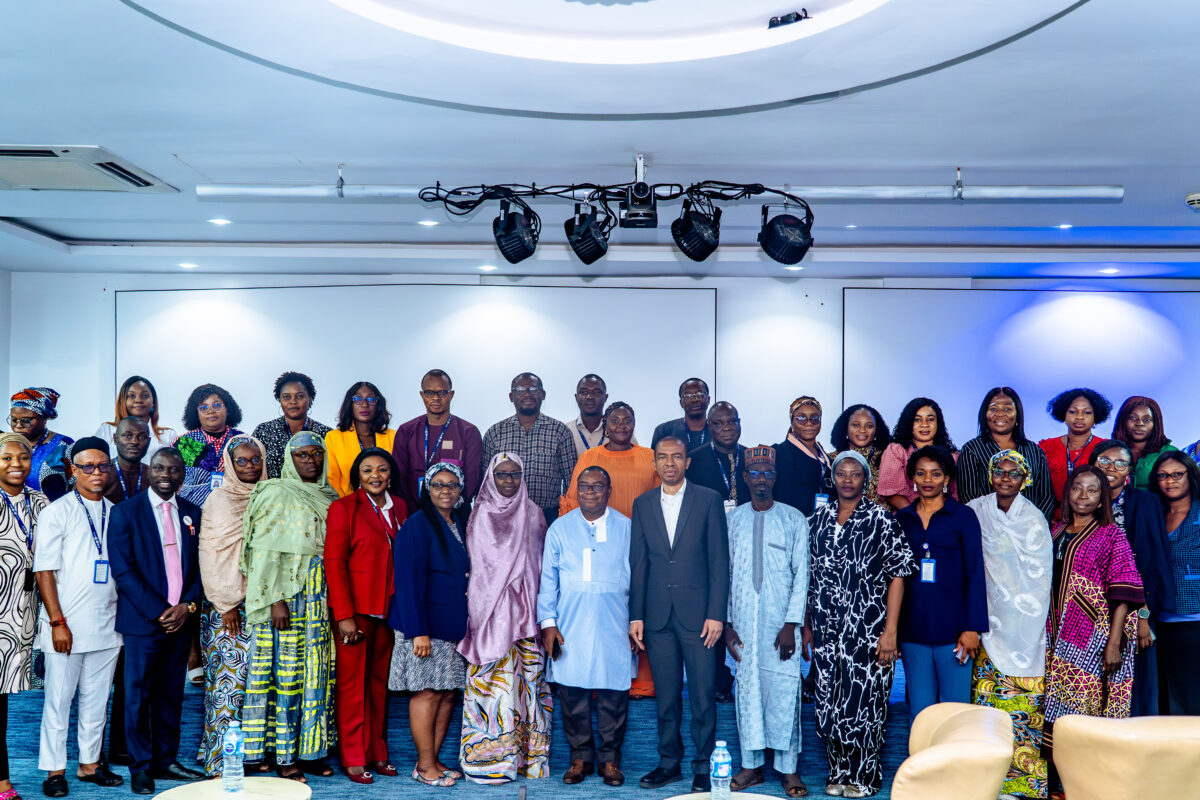
They revealed this while unveiling research findings of the Ensuring Quality Access and Learning for Mothers and Newborns in Conflict-Affected Contexts (EQUAL) project at the IHVN Campus in Abuja.
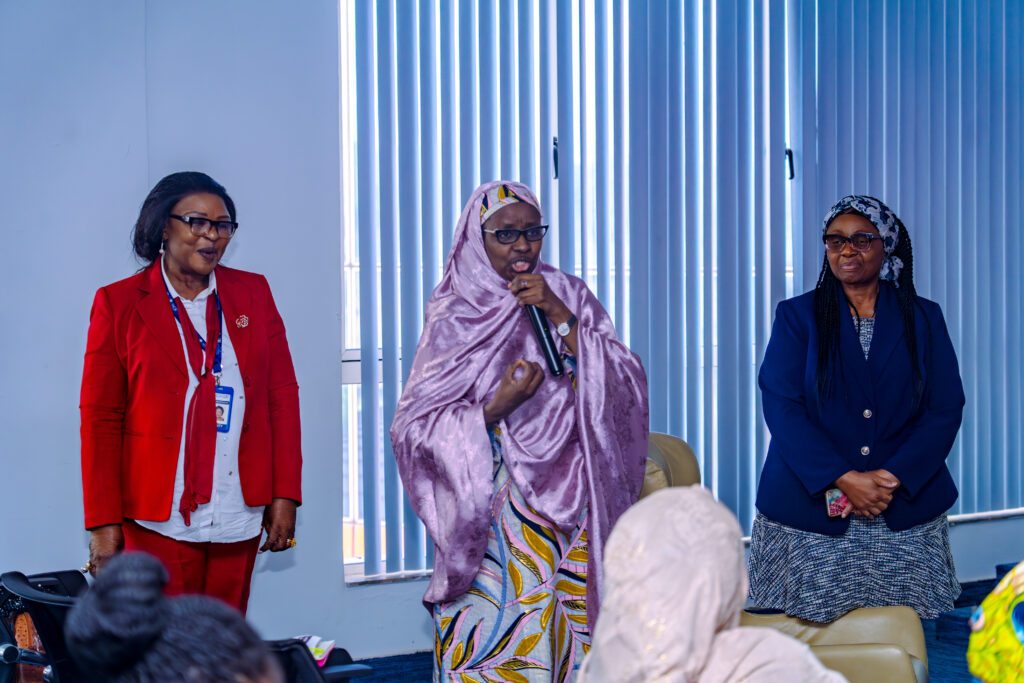
At the close-out meeting, EQUAL Nigeria Principal Investigator, Prof. Emilia Iwu said that the research was conducted in Yobe State from 2021 to 2026.
“28.5% of global maternal deaths occur in Nigeria. What we see is that there is a lifetime risk of maternal death among one in 19 pregnant women in the country. This is unlike developed countries where the risk is one in 4,900 women.
Nigeria has made significant investments in midwifery training and their deployment to underserved and hard-to-reach areas. This initiative was piloted first in Yobe State which is also affected by conflict.
The data shows the community midwives are there working, and communities are being served. Community midwifery graduates are nearly twice as likely to originate from rural areas than basic midwifery graduates, 67% of them are employed by six months with 79% of them providing skilled maternal and new-born care at primary health center level. The evidence is that 98.4% of the community midwives are performing deliveries, 90.2% are providing antenatal care and 69.9% are offering family planning services.”
Prof. Iwu explained that though the community midwifery program is working to address maternal, neonatal health gaps in conflict-affected areas, sustainability threats must be attended to.
“The financing architecture for funding the community midwives’ salaries is fragile and program survival depends on political will. There is also the challenge of attrition to more lucrative positions after approximately five years. These midwives are exposed to insecurity and poor working conditions in remote areas. Nigeria needs to hold up its side of the bargain in supporting sustainability for this initiative,” she emphasized.
At the event, the Acting Registrar of the Nursing and Midwifery Council of Nigeria (NMCN), Mr. Alhassan Ndagi praised the researchers for their painstaking research which was done in collaboration with the council. Mr. Ndagi who was represented by the Council’s Head of Education Department, Dr. Emmanuel Udontre, assured stakeholders present that steps are already being taken to ensure sustainability of the community midwifery program in the country.
Provost of Shehu Sule College of Nursing Sciences in Damaturu, Hadiza Sabo said the project revealed key findings to guide decisions concerning maternal, neonatal and child health in the state.
Also at the dissemination, EQUAL Nigeria Project Co-Principal Investigator, Dr. Charity Maina, called the attention of policy makers to other key project findings which are, “the Boko Haram insurgency in Yobe State has disrupted maternal, neonatal health (MNH) services and increased the risk faced by pregnant women and health care workers. In addition, gender, cultural and religious beliefs in the state impact care seeking, MNH prioritization and diversity of the health force.”
Dr. Maina called on the government to build accountability measures to make sure MNH funding is protected and not diverted to other competing priorities.
EQUAL is a multi-country research consortium generating evidence on effective approaches to deliver lifesaving MNH care in countries affected by conflict. It is being implemented in DRC, Nigeria, Somalia, and South Sudan – countries with the highest burden of maternal and neonatal deaths worldwide. The project is implemented with funding from the UK Aid from the UK government and implemented by the International Rescue Committee, Institute of Human Virology Nigeria, John Hopkins Center for Humanitarian Health, Somali Research and Development Institute and the Catholic University of Bukavu.