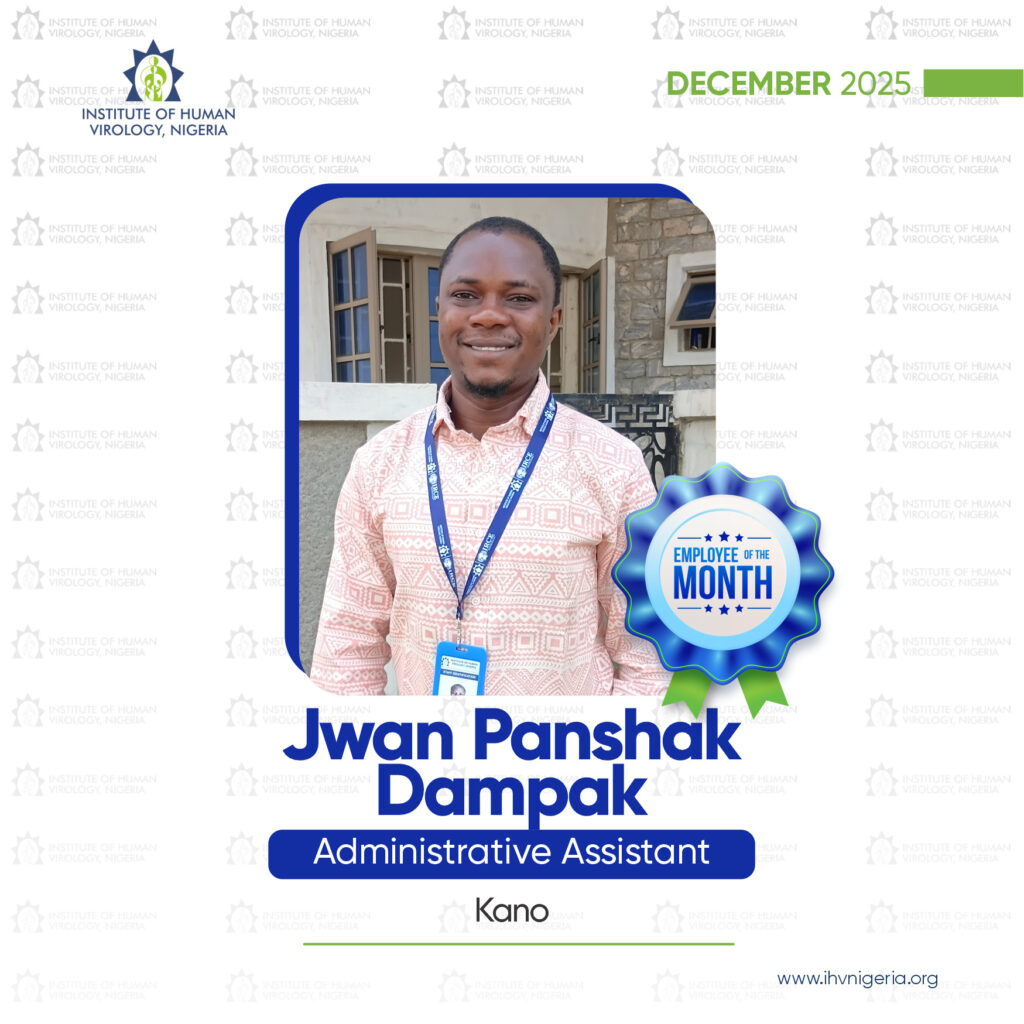
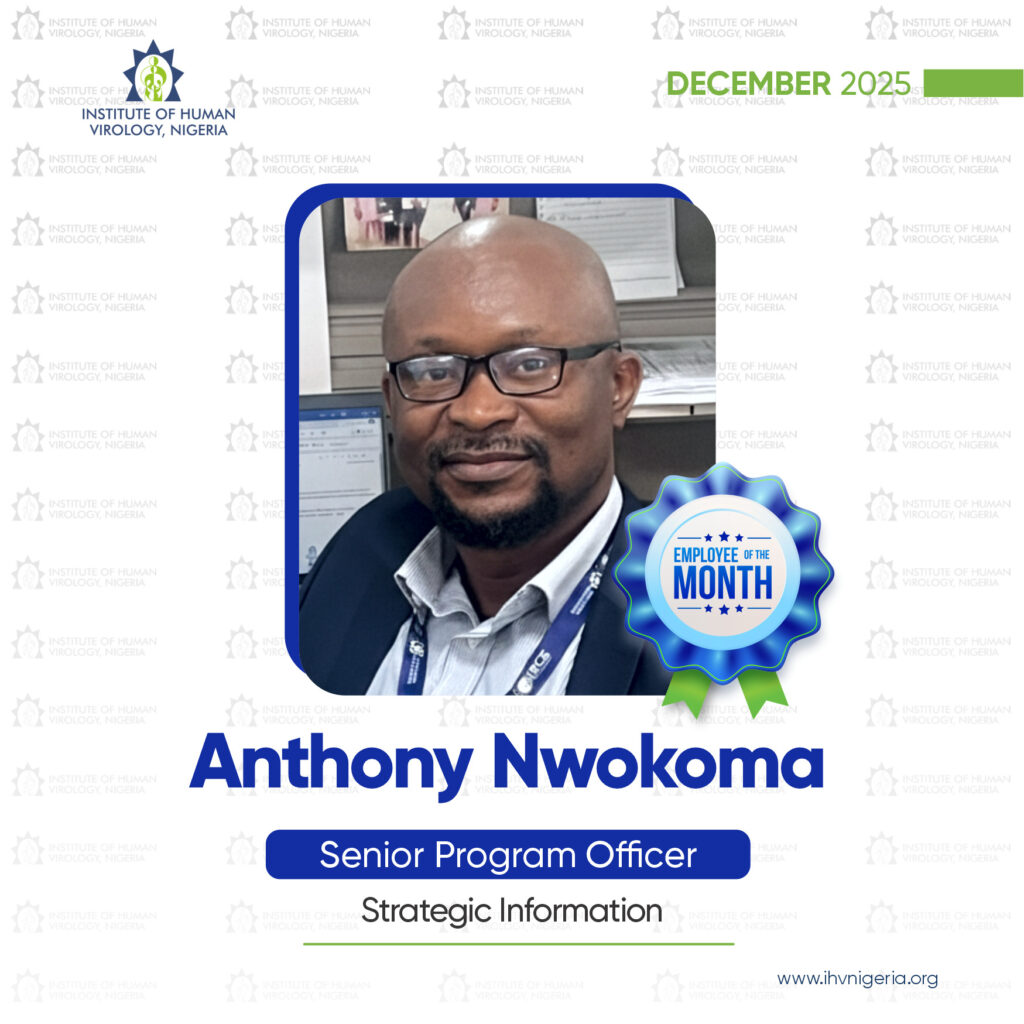
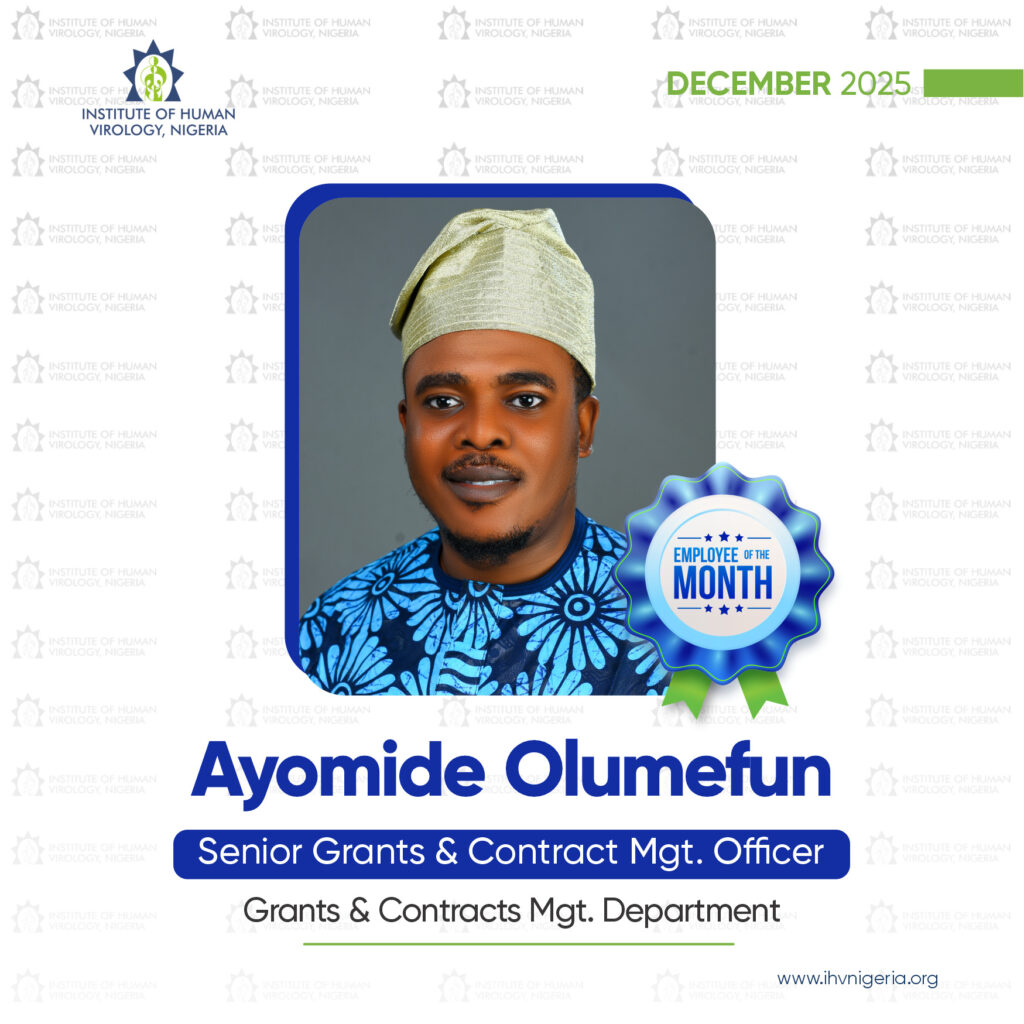
In fostering an excellent work culture and staff performance, the Executive Management of the Institute of Human Virology Nigeria (IHVN) has initiated the “Employee Recognition Awards” to recognize “Employees of the Month” and “Employee of the Year.”
According to Mr Olu Alabi, the IHVN Director of Finance and Administration, this recognition encompasses overall employee performance in areas such as dress code, innovation, teamwork, productivity, efficiency, leadership, interpersonal skills, punctuality, and adherence to company values and principles, among other factors.
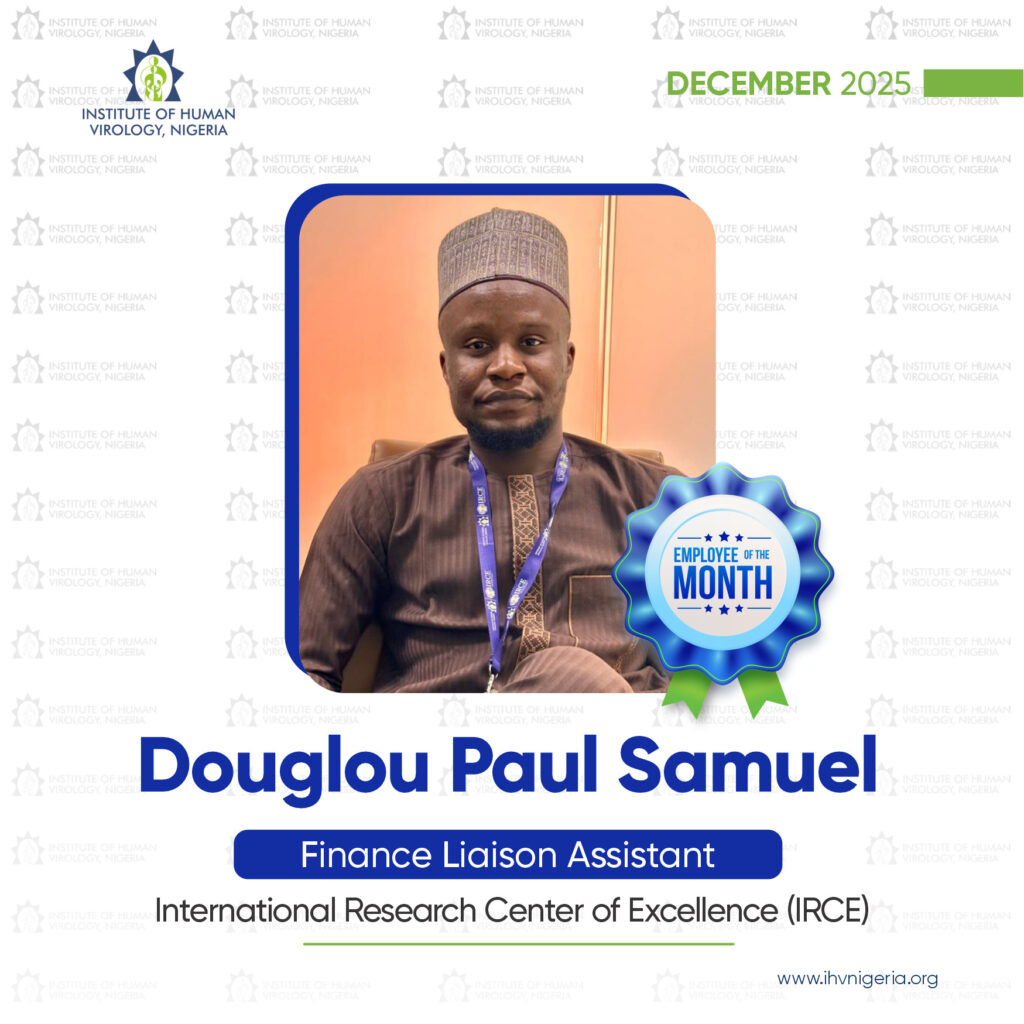
For December 2025, IHVN celebrates Anthony Nwokoma, Douglou Paul Samuel, Ayomide Olumefun, Victoria Olorunfemi and Jwan Panshak Dampak, whose performance stood out in their teams.
The Institute of Human Virology Nigeria (IHVN) has launched a five-year project aimed at empowering 1,200 vulnerable households in Katsina and Nasarawa States by promoting sustainable agriculture, malaria prevention, and healthy nutrition practices.
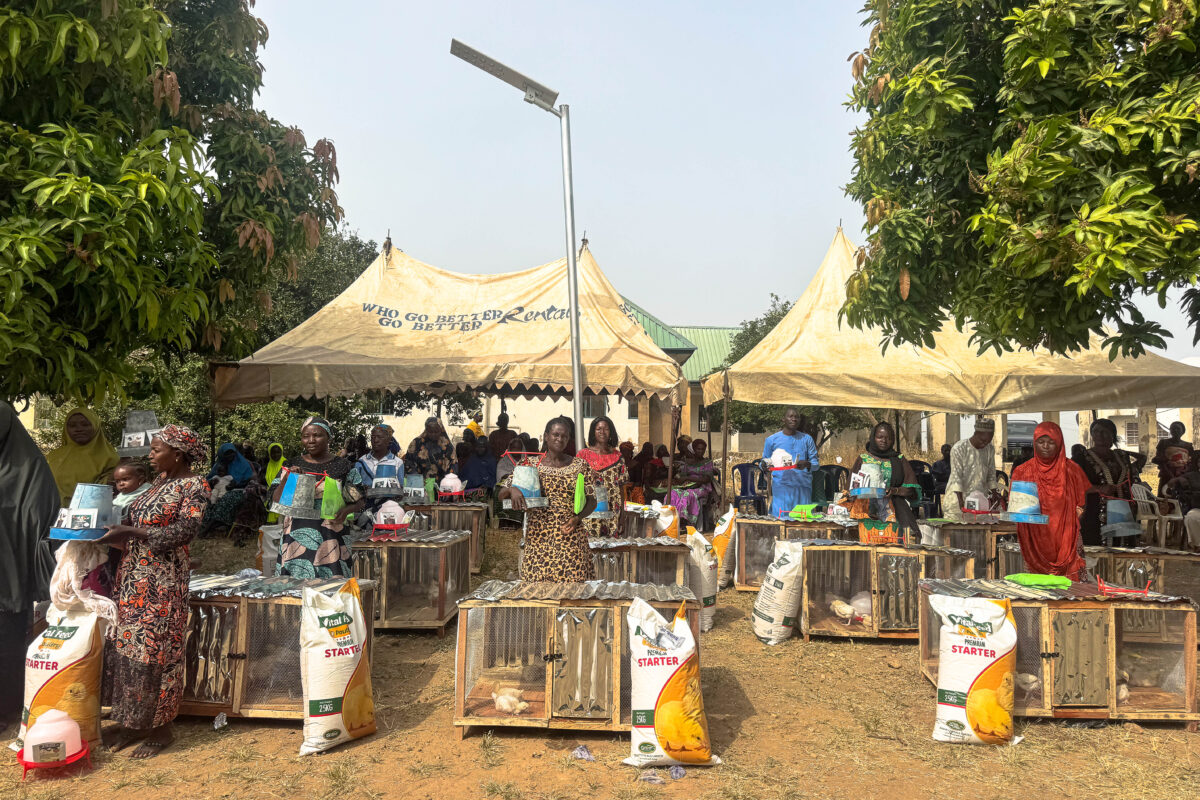
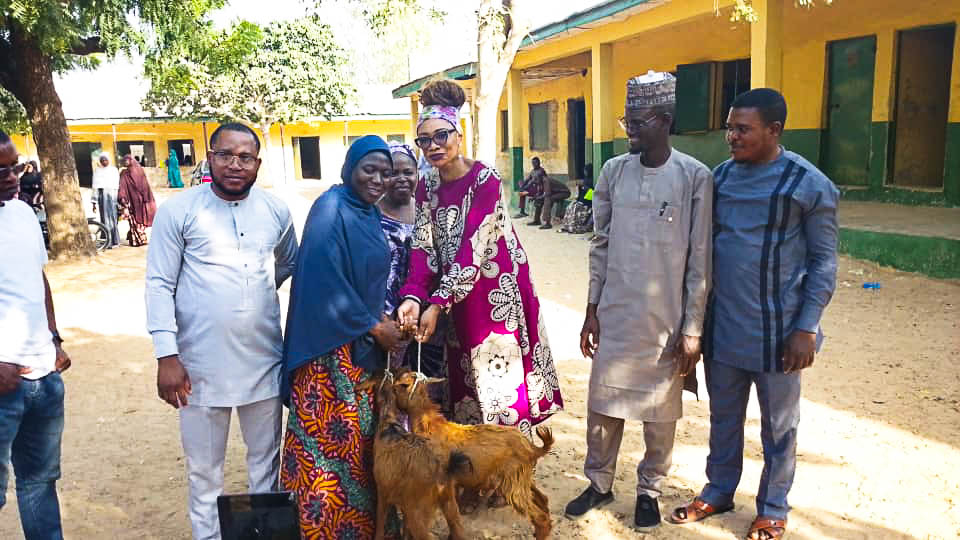
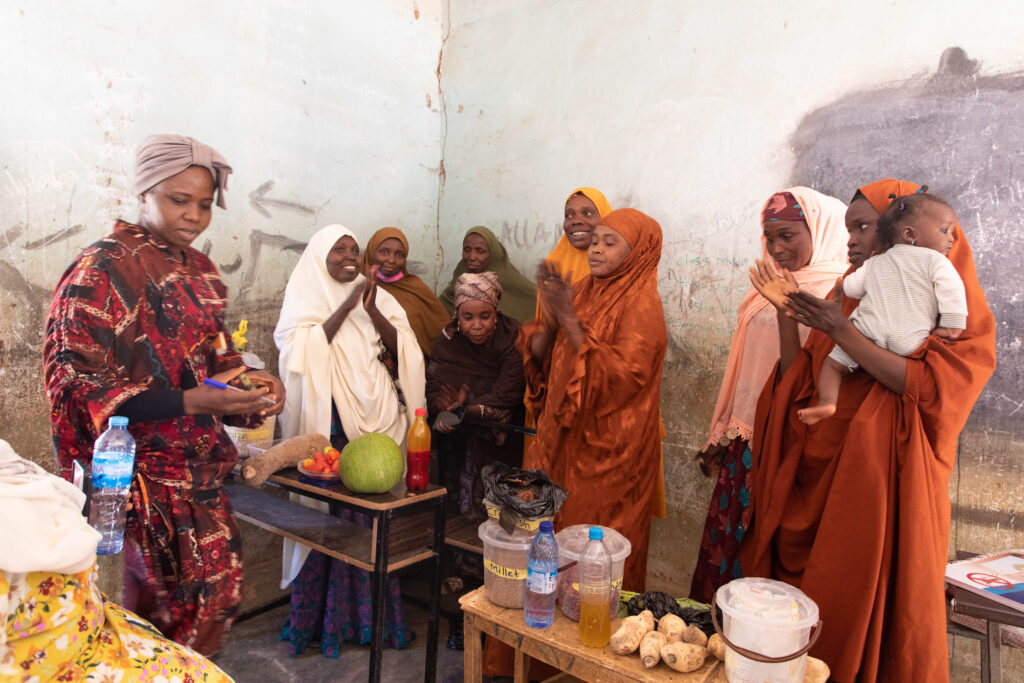
At the launch which held simultaneously in the two states, project beneficiaries received livestock such as pigs, goats and chickens, along with tools, seeds and capacity building for livestock and crop farming. The households were also trained on nutrition, financial management through Village Savings and Loan Associations (VSLA) and malaria prevention activities.
According to the Project Director at IHVN, Dr. Victoria Igbinomwanhia, the Institute is collaborating with the Ministry of Agriculture and Food Security, the Ministry of Health, community-based organizations and community leaders to equip, guide and supervise the benefitting households for sustainable agricultural and health practices.
“This project builds on our years of public health project implementation and care for people infected and affected by HIV, including orphans and vulnerable children. We are currently providing HIV services in four states. We picked two out of the four states as the focus states for this project based on empirical evidence of vulnerability of the households. Some of our considerations were the poverty index, malaria and HIV prevalence. We conducted a vulnerability assessment and picked the most vulnerable homes – 400 in Katsina and 800 households in Nasarawa State.”
Dr. Igbinomwanhia added that the project aims to improve the resilience of the households.
“We will be conducting food demonstration trainings using locally available food items. Community workers will be supporting this activity from house to house after the flag-off training. The beneficiaries will also be taught soap making to support water, sanitation and hygiene practices.
The households have been categorized into three agricultural groups, 200 households for livestock farming, 400 for home gardening and 600 for community farming to grow vitamin and protein rich crops to promote healthy nutrition.”
She explained that in addition to the livestock and seeds, beneficiaries are also being given pots for planting, animal shelter, medications for livestock and fertilizer.
“In partnership with the government, we have trained community workers and will continue supervising farming activities and teaching new farming techniques for better yield.”
She said that the project is also collaborating with 13 health facilities for easy referral of malaria and severe malnutrition cases.
Community worker, Oluwayemisi Adeniji said that she has high expectations that the knowledge gained by the beneficiaries will improve the health and nutrition of all the households involved.
“We are expecting that the empowered households will share the knowledge and skills gained with their community members. Learning is a continuous process. We will be following up with them to ensure that they put their skills to practice.
Project beneficiaries, 35-year-old Marakisiyya Yusuf and 42-year-old Sulieman Mashi from Daura Local Government Area in Katsina State said that the skills gained from the kick-off training have been beneficial.
“I have learned how to use the Village Savings and Loans Association to save for the future. I will start a savings group in my community with my friends and neighbors at Tudun Wada,” Marakisiyya said.
Sulieman is also eager to start a savings group and teach is wife how to cook balanced nutritional meals with the knowledge gained from the food demonstration activity.
The project is being implemented by IHVN with funding support from BMZ/Gesundes Africa.
Project Director, Dr. Victoria Igbinomwanhia hands presenting livestock to a project beneficiary in Katsina State NigeriaProject Beneficiaries receive poultry and tools as empowerment to strengthen food security.Households participate in a nutrition training session at Daura Local Government Area, Katsina State.
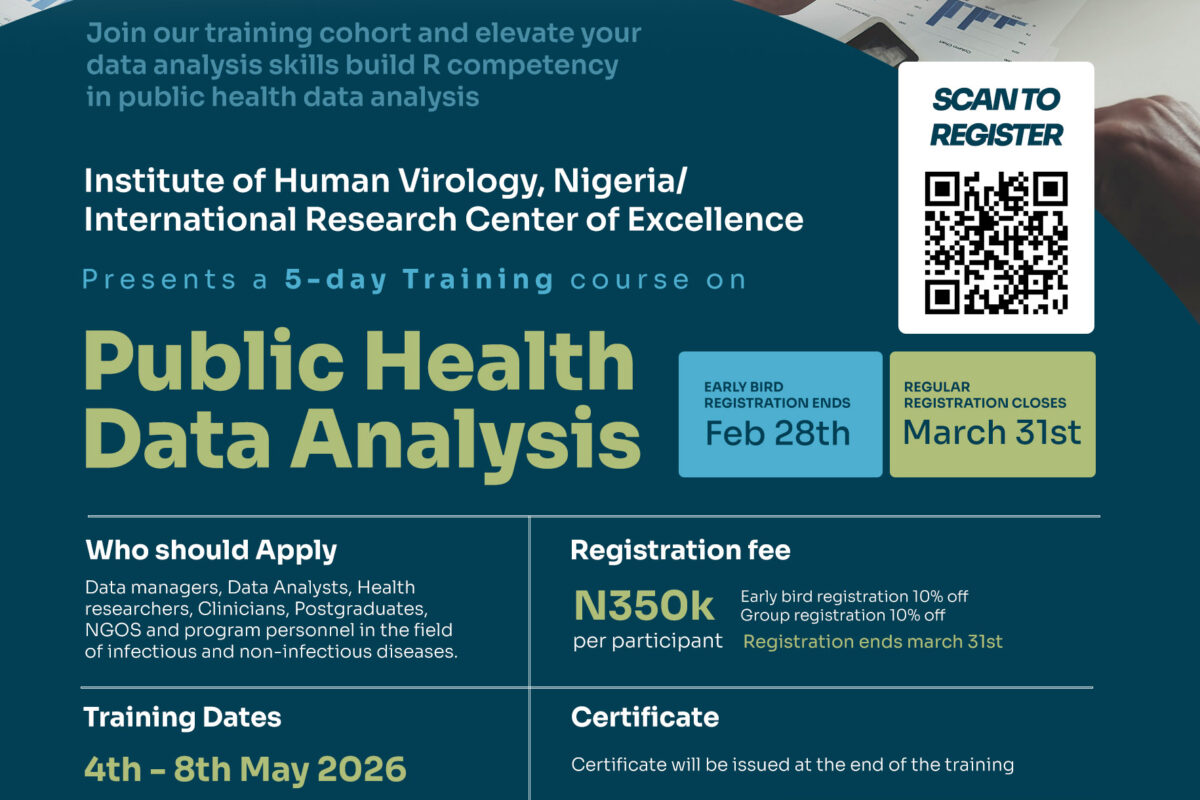
The International Research Centre of Excellence (IRCE) at the Institute of Human Virology Nigeria (IHVN) has opened registration for a five-day intensive Public Health Data Analysis Training course scheduled for 4th to 8th May, 2026 in Abuja.
Course participants will gain hands on capacity in R-programming and master epidemiological and statistical methods for analyzing real world public health data.
Data Managers, analysts, public health researchers, clinicians and monitoring and evaluation personnel can apply. Applications are also welcome from post-graduate students, government and ministry staff and non-governmental organization staff.
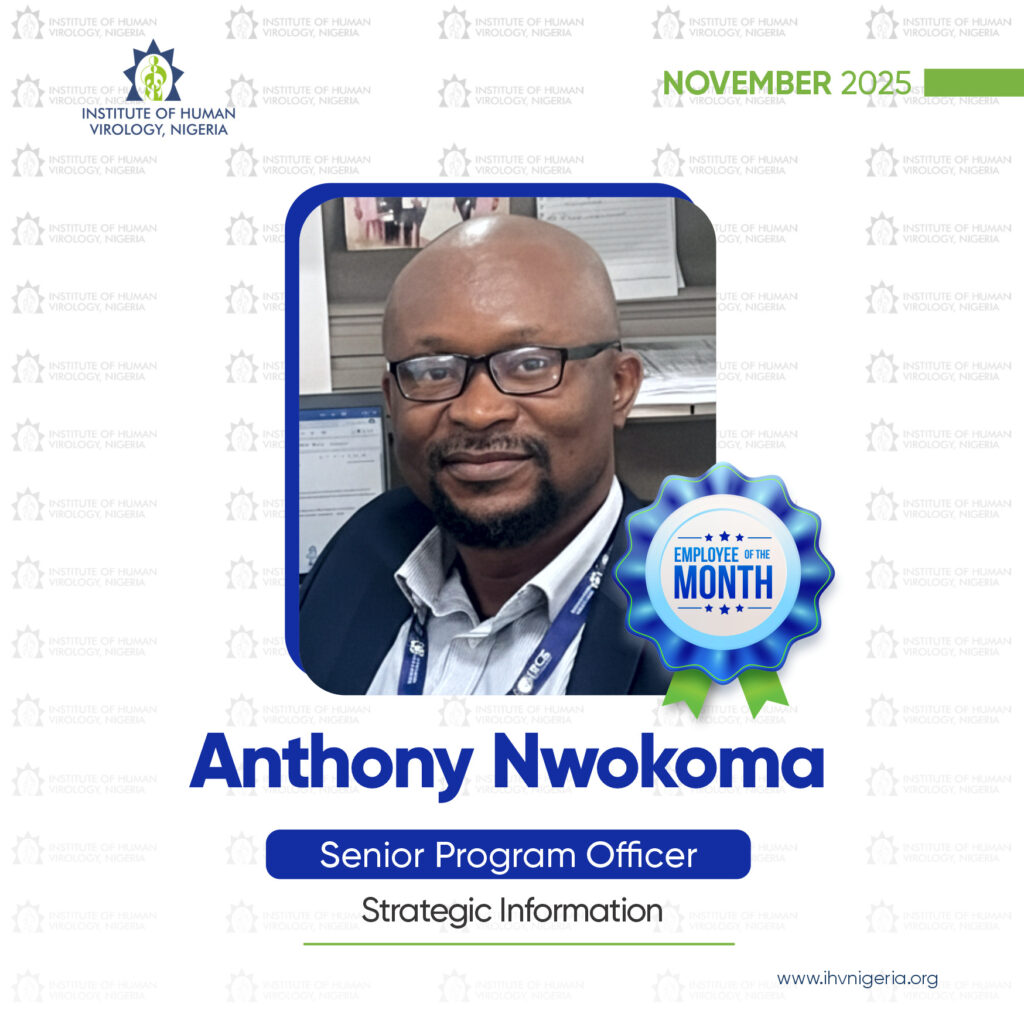
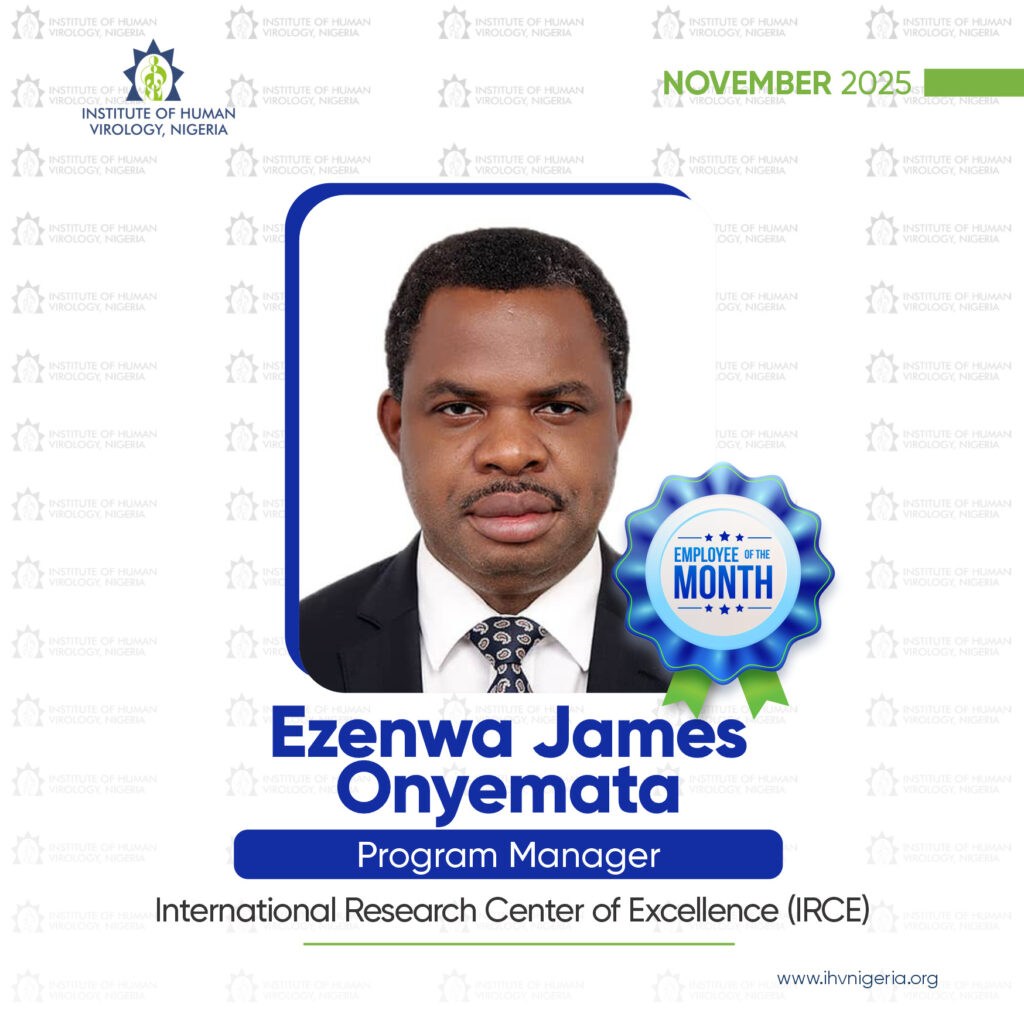
In fostering an excellent work culture and staff performance, the Executive Management of the Institute of Human Virology Nigeria (IHVN) has initiated the “Employee Recognition Awards” to recognize “Employees of the Month” and “Employee of the Year.”
According to the IHVN Director of Finance and Administration, Mr. Olu Alabi, this recognition covers overall employee performance in dressing, innovation, teamwork, productivity, efficiency, leadership and interpersonal skills, punctuality, and adherence to company values and principles, amongst other things.
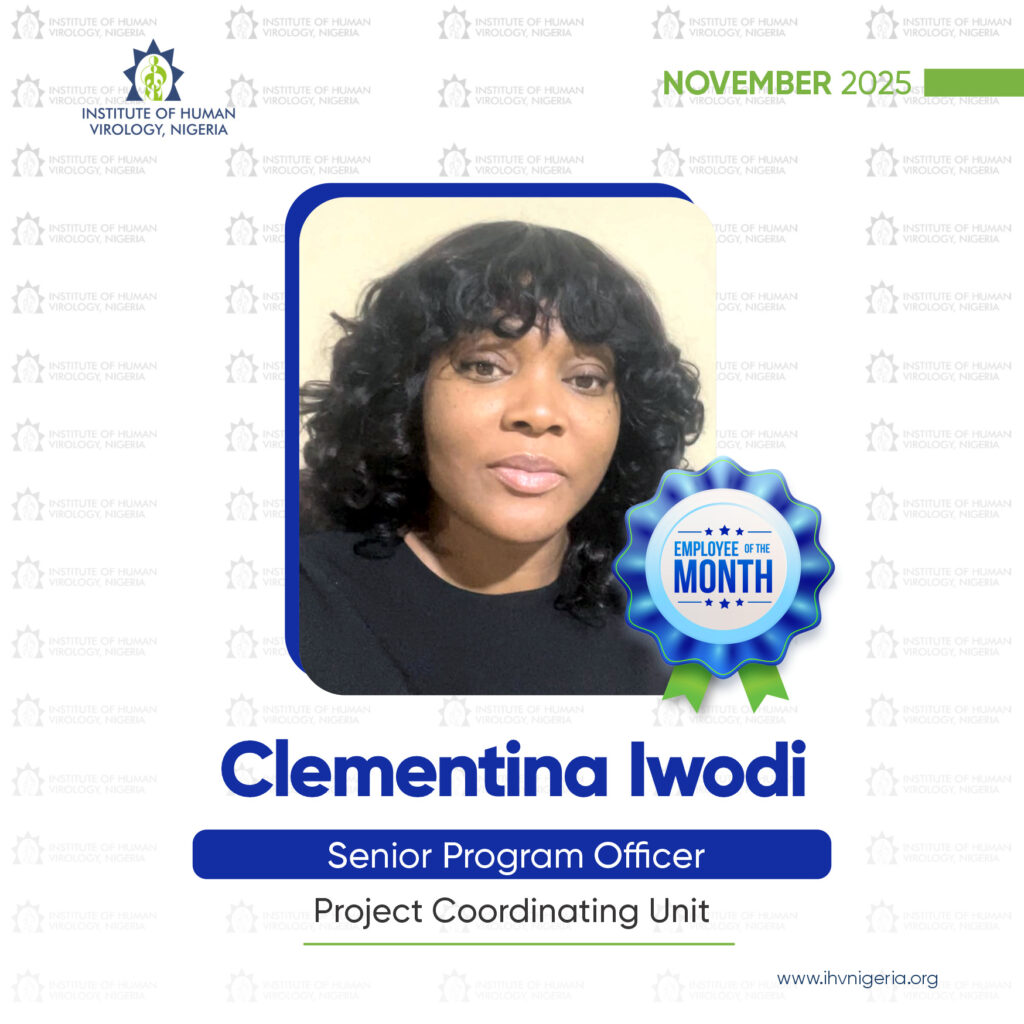
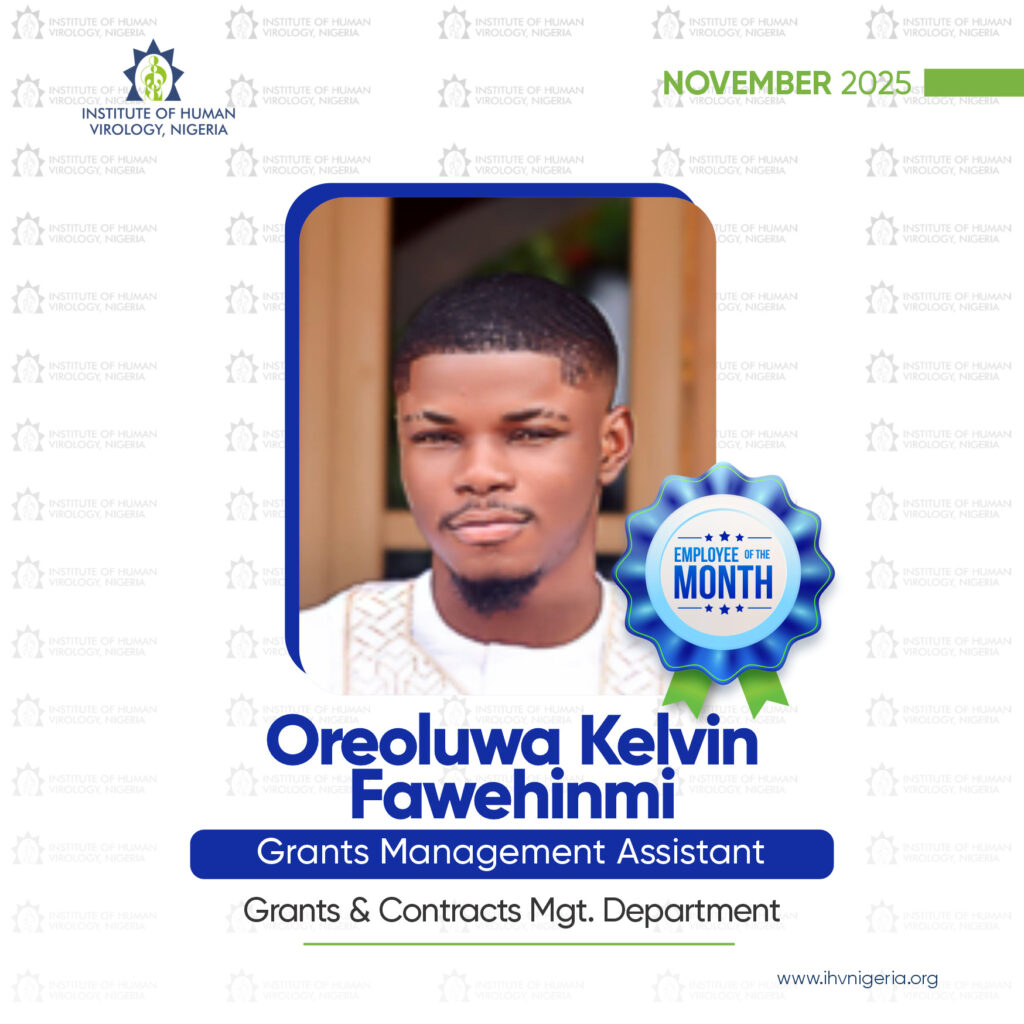
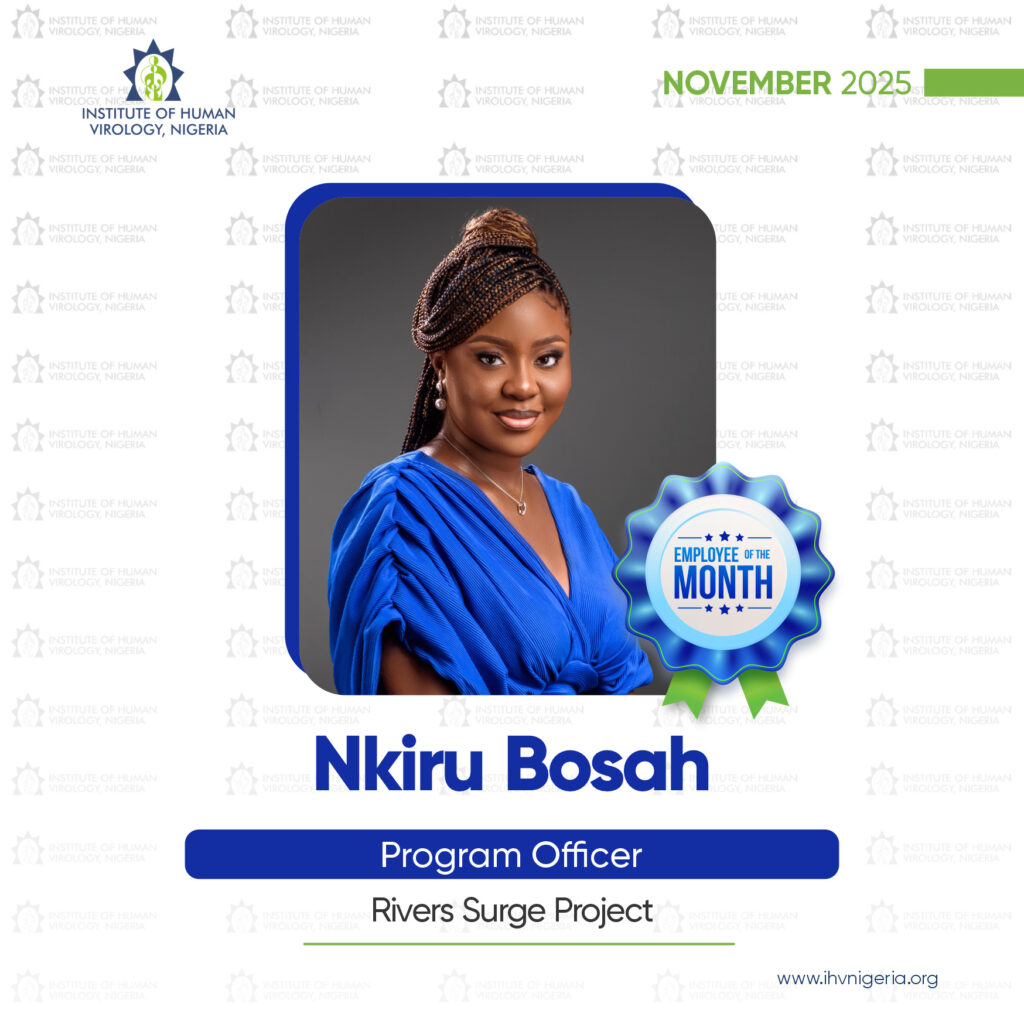
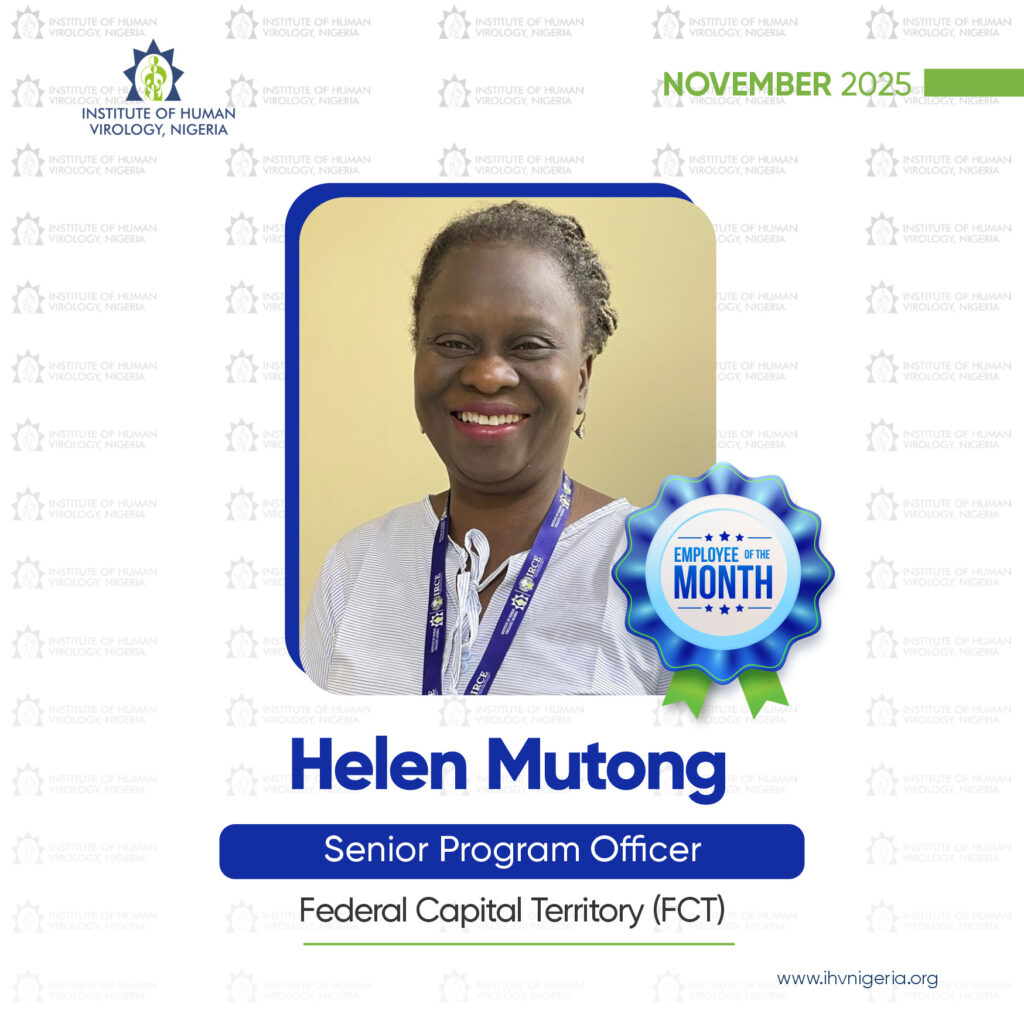
For November 2025, IHVN celebrates Anthony Nwokoma, Ezenwa James Onyemata, Adeleke Aremu, Clementina Iwodi, Oreoluwa Kelvin Fawehinmi, Nkiru Bosah and Helen Mutong, whose performance stood out in their teams.
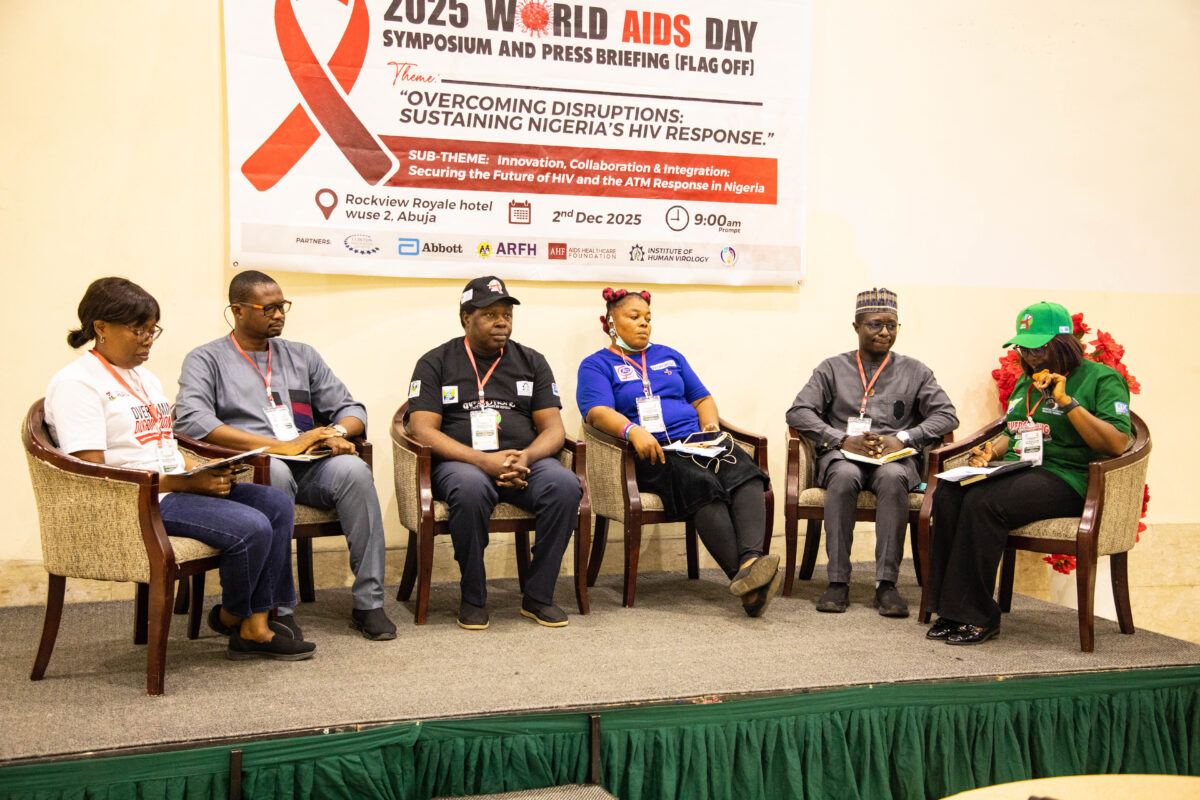
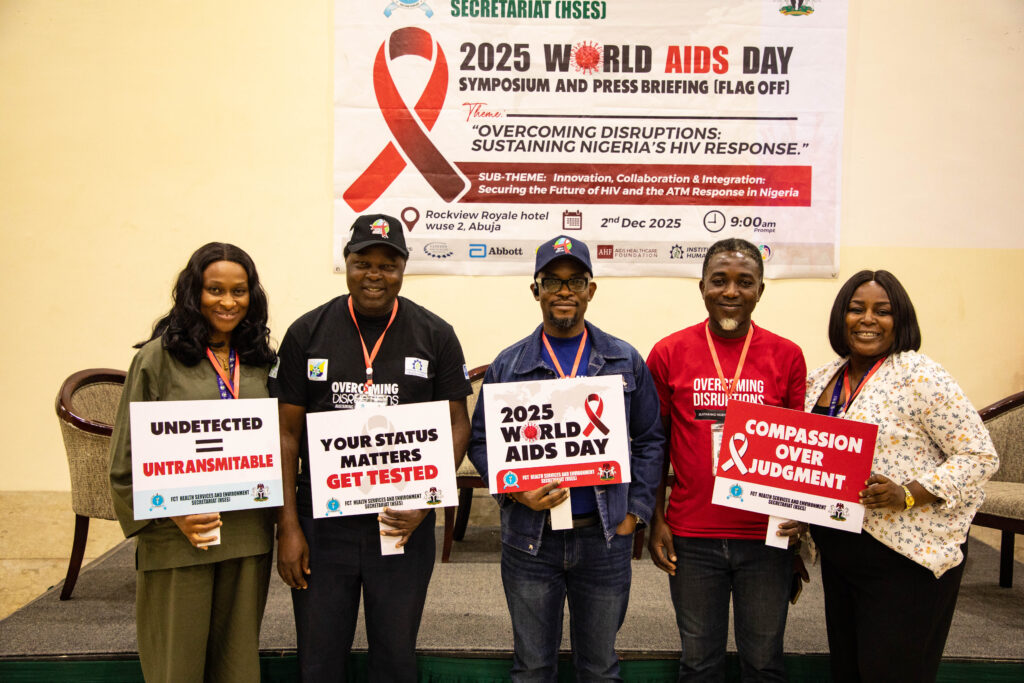
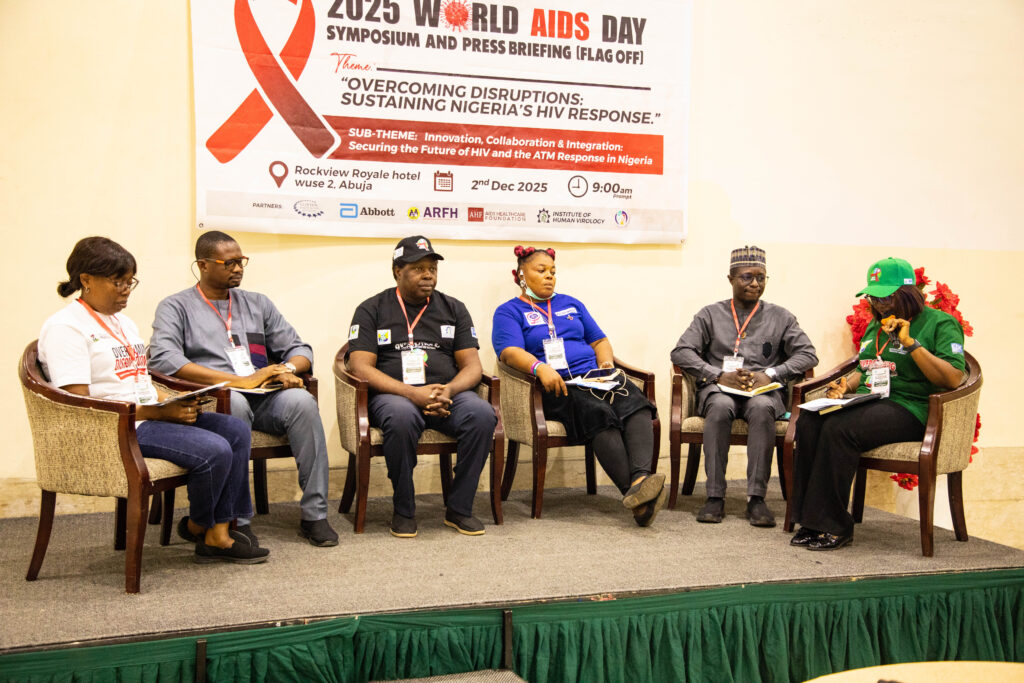
The Institute of Human Virology Nigeria (IHVN) has collaborated with the Federal Capital Territory AIDS, Viral Hepatitis and STIs Control Program (FASCP), and other stakeholders, to host a symposium in commemoration of World AIDS Day 2025.
Government leaders, Implementing Partners, Civil Society Organisations, and Private-sector actors convened at the event with sub-theme, “Innovating Together: Sustaining the Integrated HIV, STI’s, Viral Hepatitis, TB and Malaria Response in the FCT,” to chart a pathway toward a more resilient and integrated health response.
In alignment with the national theme, “Overcoming Disruptions: Sustaining Nigeria’s HIV Response,” the symposium addressed persistent funding constraints, systems disruptions, and the need for innovative approaches to maintain essential HIV and ATM services.
Delivering remarks on behalf of IHVN, Director of Finance and Administration, Dr. Olu Alabi stated, “I want to congratulate the Department of Health for commemorating this year’s World AIDS Day. Despite the challenges and shortcomings, we face, Nigerians are resilient. We are Nigerians, and we must take care of ourselves. This is our response, our communities, and our future. Despite the disruptions, we have what it takes to sustain our progress.”
He said that IHVN is ready to work with the FCT and the Federal Government to explore better ways to reduce wastage, optimise resources, and strengthen the systems that support HIV, STI, Viral Hepatitis, TB, and Malaria interventions.
At the event, Director of the FCT Department of Public Health, Dan Gadzama said that integration of malaria, tuberculosis and other health services will minimize cost and ensure wider access. He said that the FCT Administration will continue to deepen partnerships to address disruptions in HIV care.
Also speaking at the symposium, IHVN FCT Regional Manager, Dr. Tangkat Hosle, noted that the gathering provided a critical opportunity for stakeholders to reflect on the progress of ongoing interventions and identify areas for improvement.
According to him, “This symposium provides an opportunity for us to review our interventions and examine how we can strengthen and improve them. Importantly, as we focus on sustaining the benefits of these interventions, the theme for this year is both timely and topical. It challenges us to think more strategically about the future of the HIV response in the FCT.”
Throughout the symposium, participants reflected on the vulnerabilities within the health system such as reduced donor funding, supply chain gaps, rising program costs and the need for stronger community structures. The discussions highlighted innovative strategies including service integration, improved surveillance, digital health tools, and efficient resource allocation to ensure continuity of care.
Stakeholders also acknowledged IHVN’s significant role in the FCT’s progress, particularly in treatment scale-up, data management, healthcare workforce capacity, and community engagement.
The meeting ended with a renewed joint commitment to protect public health gains and accelerate progress toward ending AIDS as a public health threat. Stakeholders pledged to sustain collaboration, strengthen innovation, and harness domestic capacity to build a more resilient HIV, AIDS, Tuberculosis and Malaria response in the FCT and across Nigeria.
(L-R) FCT Strategic Information Lead, Chiagozie, FCT Regional Manager, Dr. Tangkat Hosle, Director Administration and Finance, Dr. Olu Alabi, FCT Community Lead, Mr Yaro Daniels and FCT Pharmacy lead, Pharm Rinret Adamu, pose for a picture during the World AIDS Day FCT stakeholders meeting(3rd Left) IHVN FCT Regional Manager, Dr Tangkat Hosle participating in a panel discussion at the FCT World AIDS Day stakeholders meeting in Abuja.