
| The Institute of Human Virology, Nigeria is seeking bidders to bid for the Maintenance Work within the PLASVIREC Office under GF N-THRIP grant | |
| Opening Date/ Time: | 14th October 2026 |
| Closing Date/ Time: | 28th October 2026 @10:00am |
| For more on this bid, kindly download the complete bid document, | Click here to download the bidding document Click here to download the BoQ |
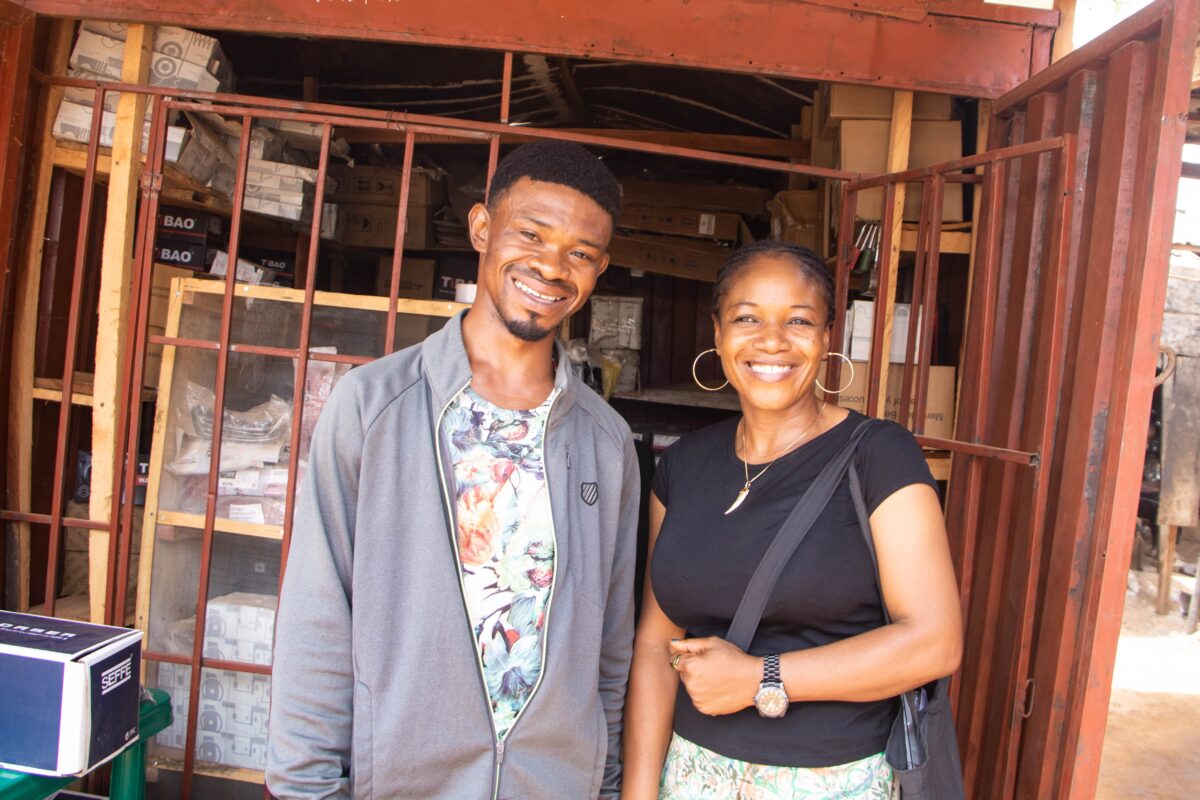
From Hopeless to Hopeful – A DR-TB Survivor’s Journey to Health
The journey to health for people who are diagnosed with drug-resistant tuberculosis (DR-TB) requires treatment and care at health facility and community levels. Through funding from the Global Fund to Fight HIV, TB and Malaria, the Institute of Human Virology Nigeria (IHVN), its sub-recipient organizations across the 36 states and Federal Capital Territory (FCT) and community-based organizations have formed a network of care to support individuals diagnosed with DR-TB.
With leadership and oversight from the National Tuberculosis Leprosy and Buruli Ulcer Control Program (NTBLCP), the IHVN Nigeria TB and HIV Reach and Impact Project (N-THRIP) has identified more than 3,000 people with drug-resistant tuberculosis between January 2024 and December 2025.
32-year-old Simon Chukwuma, a car spare parts dealer in Abuja is a DR-TB survivor who has benefitted from the care and treatment services provided by the N-THRIP project.
“I used to think that tuberculosis is a disease for rich people because only rich people can afford the treatment. That was until I was diagnosed with DR-TB in August 2025,” Chukwuma said.
Chukwuma experienced symptoms such as coughing out blood, chest pain, dizziness, weakness and drenching night sweats. He received several diagnoses like malaria, typhoid, ulcer etc from chemists and private providers before being diagnosed in Wuse General Hospital, Abuja for drug-resistant tuberculosis.
He managed the symptoms quietly for more than a year because he was afraid of losing his apprenticeship position as a car spare parts dealer with his employer.
“I come from a poor family and I am the first born. I’ve had a great opportunity to learn dealership in car spare parts for six years. I started having these symptoms when I was about concluding my apprenticeship. I didn’t want to lose out on being paid off to start my own business,” Chukwuma said.
His lonely path to seeking health care did not yield results. He lost weight until he became emaciated. He even took herbs to no avail and wondered whether it was a witchcraft attack. Chukwuma’s employer stepped in to support when his condition became visibly worse. Eventually, it was a concerned person in the church where he serves as a chorister who referred him to a public hospital for tuberculosis screening and tests.
“I gave my sputum for a test at the hospital and was informed when the result was positive. I felt weak in my spirit when I heard the diagnosis, but I had to be strong. My father is dead and I could not tell my mother in the village about the sickness because I was afraid that she might faint.”
Chukwuma found support when he needed it the most from dedicated health care providers and community workers. He received free medications from the hospital and the Directly Observed Treatment (DOT) Officer there encouraged him to adhere to his medication despite the side effects. He gradually got better as he worked with this counsel.
According to him, staff of Dawn of Life Foundation (DOAF), a community-based organization supported by the N-THRIP project became like a family to him even when he had to temporarily move to Enugu State from the Federal Capital Territory to stay with his younger brother to recuperate fully.
“They told me that I will get through it. They called to check if I’m taking medications daily as stipulated. They ensured that I got a monthly stipend and that my brother, who was my treatment supporter also got a stipend. They also counselled me on how to prevent transmission to others and stay healthy. I always used a nose mask and tried to eat well, even though initially, my appetite was poor,” he explained.
Chukwuma now feels more alive than he has ever been. He completed a six-month treatment for drug-resistant tuberculosis in February 2026 with support from family, his employer, his friends and his newfound family of health workers at the facility and community level who made is treatment journey successful.
“Before, I could not even walk a few meters because I used to feel dizzy and weak, now I can move around with agility. When my employer paid me off and I graduated from the apprenticeship, I even travelled from Abuja to Lagos to get car spare parts to start my own business,” he said beaming with smiles.
“I love to sing in church, and I can play the guitar. When I was sick, I was unable to do that, now I do that with ease. I felt hopeless before, like the sickness was a death sentence, now I am strong and healthy. I’ve completed treatment and I am DR-TB free.”
DOAF Staff, Gladys Shir supported Chukwuma through his treatment journey. She is also excited about his health and sometimes calls him to share his story in the hospital with others just diagnosed with DR-TB. She said that since the N-THRIP project started in January 2024, her community-based organization has supported more than 50 DR-TB patients in the FCT.
DOAF works with Association for Reproductive and Family Health (ARFH), which is a sub-recipient to IHVN on the GF supported N-THRIP project in the FCT.
“Free diagnosis and treatment for DR-TB is provided in Nyanya General Hospital, Wuse General Hospital, Kubwa General Hospital, University of Abuja Teaching Hospital (UATH) and Kwali General Hospital,” Gladys said.
Through the N-THRIP project, IHVN works in collaboration with National TB Program, State TB programs, sub-recipients and CBOs to strengthen DR-TB treatment and care across the country, including support for treatment centres, sample transportation, laboratory – diagnostic and follow-up tests, linkage to treatment, treatment monitoring, follow-up, and social and transportation support for DR-TB patients.
Over the years, IHVN has built capacity in DR-TB care training LGA DR-TB teams as well as health workers in the DR-TB centres across the country.
Given observed clinical and programmatic gaps in TB care cascade and precisely in DR-TB management, IHVN will funding support from the Global Funds to fight AIDS Tuberculosis and Malaria and in conjunction with the NTBLCP has designed plans in improving care of care among DS/DRTB clients using accountability matrices and digital health adherence mechanisms to improve quality of care and enhance treatment outcomes.
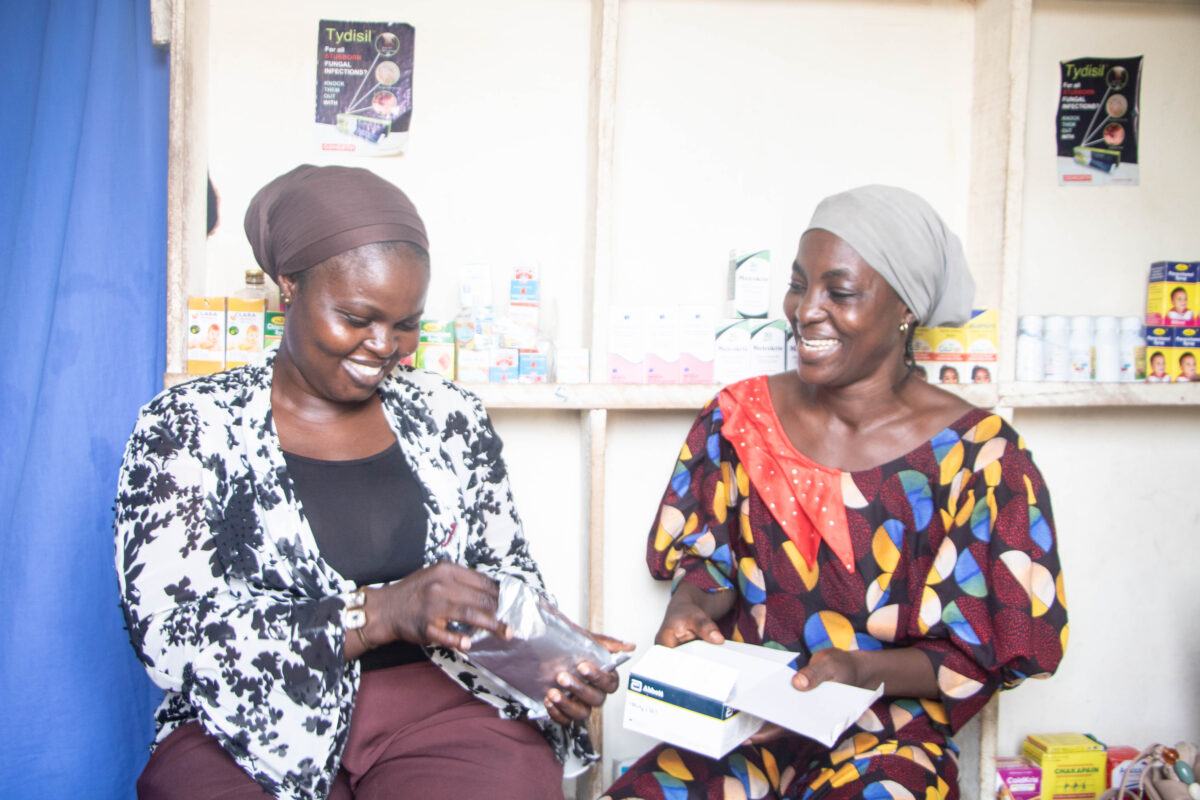
Leaving No Woman Behind: IHVN Engages Traditional Birth Attendants for PMTCT Services in Communities
Though utilizing antenatal care services in a health facility contributes to improving maternal and child health, some women prefer to patronize the services of traditional birth attendants (TBAs) in their communities. This may be due to transportation costs, user fees at hospitals, and ease of access to TBAs amongst other reasons. According to the 2024 Nigeria Demographic and Health Survey, 56% of live births still occur at home, while only 43% take place in a health facility. Just 63% of women with a recent live birth received antenatal care from a skilled provider, and 26% received no antenatal care at all. Forty-seven percent of women cite the cost of treatment as a barrier to seeking care, and 25% cite distance to the nearest health facility.
For women living in hard-to-reach communities, nomadic settlements, and low-income households, traditional birth attendants (TBAs) often remain the first and sometimes only point of maternal care.
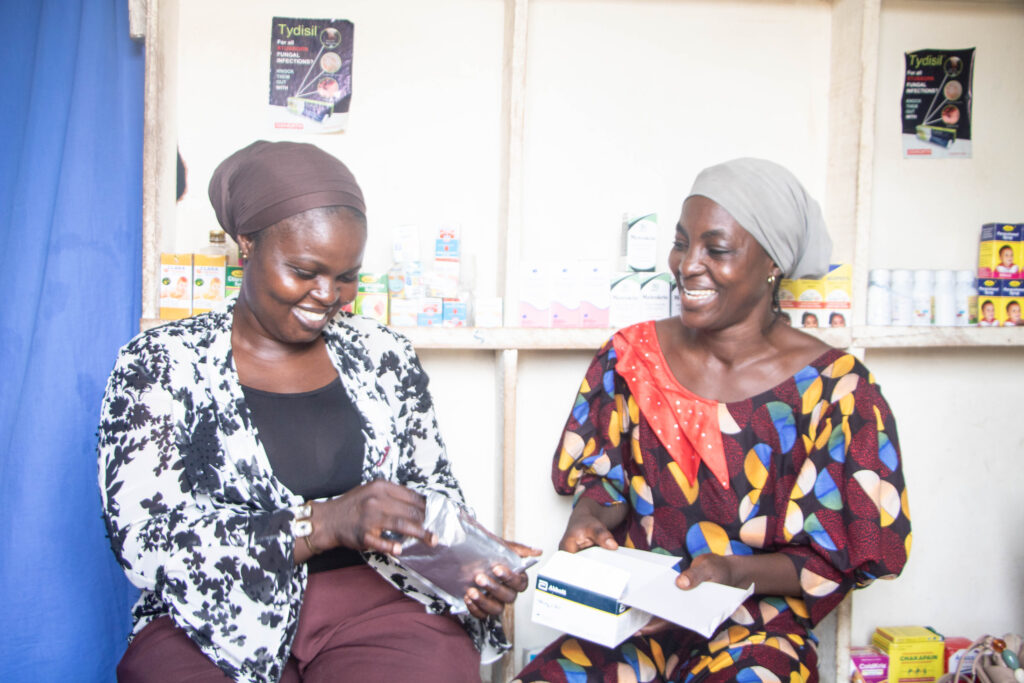
The Nigeria TB HIV Reach Integration and Impact Project (N-THRIP) implemented by the Institute of Human Virology Nigeria (IHVN) engages TBAs and local maternity homes to ensure that no one is left behind in the fight against mother-to-child transmission of HIV (MTCT).
With funding support from the Global Fund to Fight HIV, Tuberculosis and Malaria, IHVN builds the capacity of TBAs and supplies them with test kits for HIV, syphilis and hepatis B for testing of all pregnant women they attend to. Globally, the World Health Organization notes that without intervention, mother-to-child transmission of HIV ranges from 15% to 45% but can be reduced to below 5% with effective interventions during pregnancy, labour, delivery and breastfeeding making early identification and linkage to care critical.
A Trusted Hand in the Community: Adama’s Story
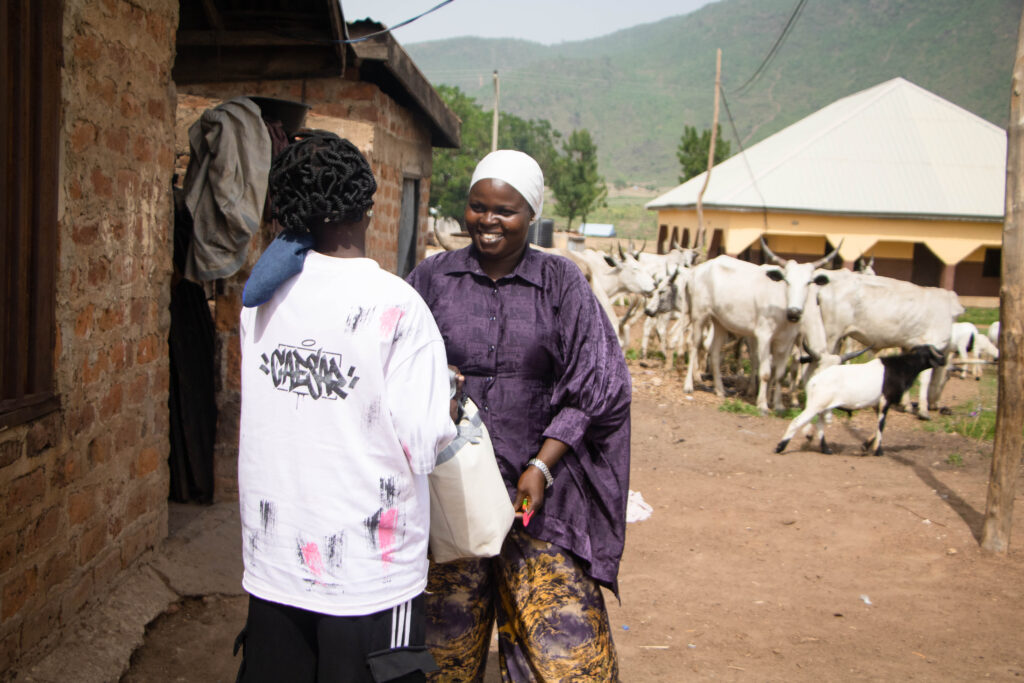
Adama Mohammed, who lives in Karshi, in the Federal Capital Territory (FCT) is one of the 6,233 TBAs engaged by the project in 36 states and the FCT. She says that she has gained counselling skills and the capacity to test for syphilis since her engagement in the project. She constantly interacts with a mentor mother for referrals of HIV positive pregnant women from her center to nearby health facilities for care.
Adama takes an average of 30
deliveries monthly, most of which are in the homes of women in hard-to-reach communities and nomadic settlements. She appreciates the support from GF-NTHRIP because it protects the health of mothers, their babies as well as her health as a TBA.
“I have been a TBA for close to 17 years. I move around with my delivery bag and respond to calls all day and night. Some pregnancies are difficult and I am relieved that I can contact the hospital and even take the women there when the need arises. Many communities see me as a trusted and capable hand because of the safe deliveries that I have handled. They do not hesitate to listen to my counsel when I refer them to the hospital,” Adama reveals.
Community Trust to Clinical Care: Lotan’s Journey
One of the pregnant women referred by Adama, is 22-year-old Lotan, who walked into her center with a friend on one of the Saturdays in January 2026.
“She was six months pregnant for her first baby. As usual, I tested for HIV, syphilis and Hepatitis B. Her HIV test result came back positive. I quickly called the mentor mother, Jummai, who lives close by to come and accompany her to a comprehensive facility for confirmation, subsequent care, and treatment. She is always ready to assist, “the TBA explains.
At General Hospital Karshi, the test confirmed Lotan’s HIV positive status. Lotan was counselled and immediately commenced on antiretroviral treatment to prevent mother-to-child transmission of HIV. She also commenced Isoniazid Preventive Therapy (IPT) for the prevention of tuberculosis in pregnant women.
It was not easy for Lotan to accept her HIV positive status and take medications without constant follow-up and support from both the TBA and the mentor mother. The mentor mother is a symbol of hope for Lotan.
“I see how beautiful she looks, and I tell myself that if this woman can live well, then I can too. HIV is not a death sentence,” Lotan says.
Lotan narrates that the TBA was her preferred option because her neighbour and friend recommended it and because she could not afford transportation and hospital costs for antenatal care.
“The community where I live is behind a hill. To get to the General Hospital in Karshi, I’ll need to take a motorcycle for ₦2,500. This means that I’ll have to spend ₦5,000 for every trip. When I calculated the costs, I realised that I would not be able to afford approximately ₦50,000 for transportation and hospital fees for antenatal care visits alone,” she adds.
A Network of Support
The support that Lotan receives from the TBA, mentor mother, hospital staff and very importantly, her husband has convinced her that every antenatal care visit is important for her and the baby’s health.
Lotan also received a Mama Pack (delivery kit) from the NTHRIP project. The kit is given to all pregnant women living with HIV identified through the project – it has essential items for delivery such as mackintosh, saniarty pads, olive oil, Menthylated Spirit etc.
One of Lotan’s joys is the safe delivery and HIV negative result of her baby boy in May 2026.
Program Impact: Scaling a Community-to-Clinic Model
IHVN Senior Programme Manager for the GF-NTHRIP Project, Dr. Adebayo Opeyemi, states that between January 2023 and April 2026, 60,733 HIV free babies have been born with support from the project in the 36 states and Federal Capital Territory.
“GF NTHRIP is fundamentally reshaping how PMTCT services are delivered across Nigeria. Rather than waiting for women to present at health facilities, the project brings lifesaving services directly into communities, ensuring that no pregnant woman is left behind, regardless of geography or circumstance.”
Partnerships Behind the Progress
IHVN implements the project in collaboration with sub-recipients across the country and with the technical oversight of key government stakeholders, including the Federal Ministry of Health and Social Welfare (FMoHSW), the National AIDS and STDs Control Programme (NASCP), the National Agency for the Control of AIDS (NACA), the National Tuberculosis, Buruli Ulcer and Leprosy Control Programme (NTBLCP), the Network of People Living with HIV and AIDS in Nigeria (NEPWHAN), and a broad network of community-based organisations (CBOs).
In the FCT, Kogi, Nasarawa, Ekiti, Kwara and Rivers states, IHVN partners with the Association of Family and Reproductive Health (ARFH) as sub-recipient to implement the project.
Looking Ahead
For women like Lotan, the project is closing the distance between community trust and life-saving clinical care.
Dr Adebayo notes that, “By equipping TBAs to test, counsel, and refer and by pairing them with mentor mothers and health facility teams GF-NTHRIP is helping ensure that pregnancy does not become the moment when women in underserved Nigerian communities are lost from HIV services. With effective PMTCT interventions, mother-to-child transmission of HIV can be reduced/ eliminated, making early identification and sustained linkage to care essential to ending paediatric AIDS in Nigeria.”
Sources Referenced
- Nigeria 2024 Demographic and Health Survey Summary Report — DHS Program: https://dhsprogram.com/pubs/pdf/SR294/SR294.pdf
- Elimination of Mother-to-Child Transmission (EMTCT) — WHO AFRO: https://www.afro.who.int/health-topics/hivaids/emtct
- Mother-to-Child Transmission of HIV — WHO:
4. HIV Initiative ‘Prevention of Mother-to-Child Transmission’ Saves Exposed Infants — WHO AFRO:
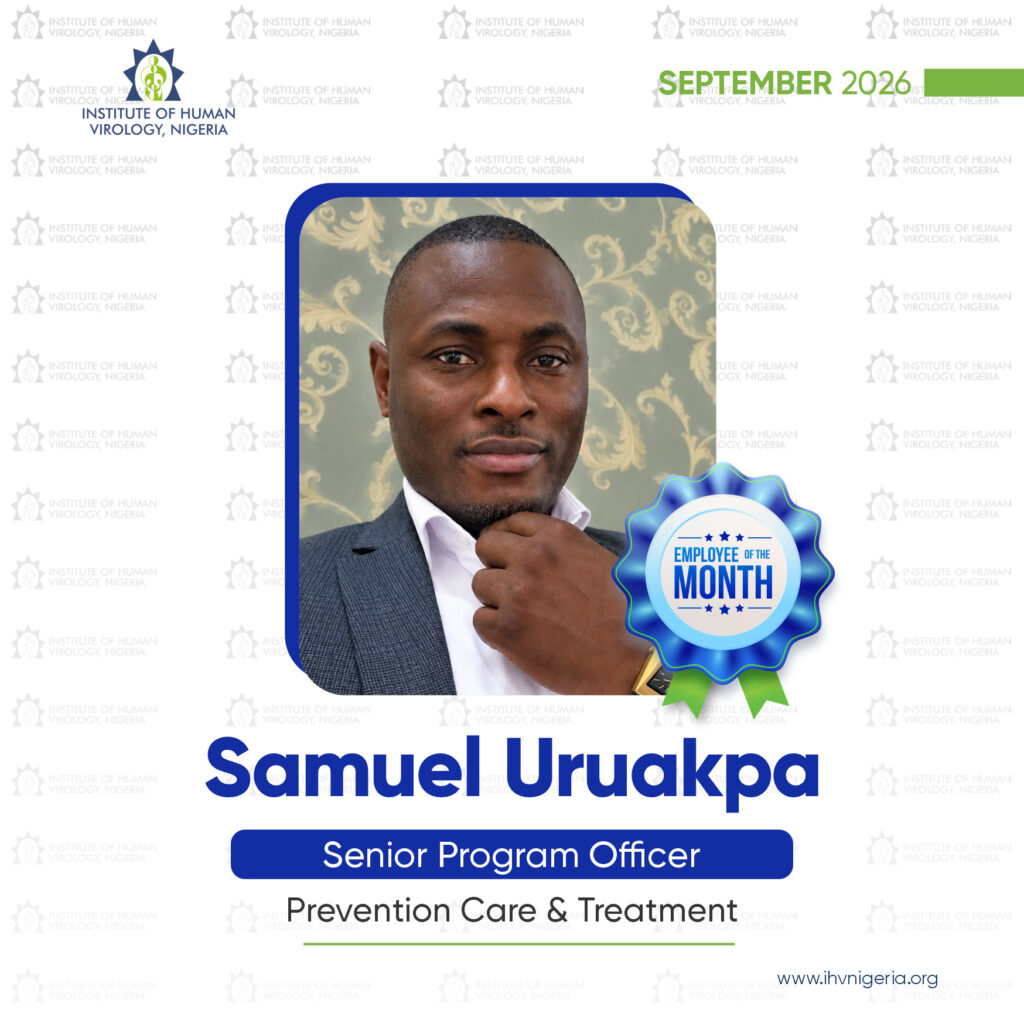
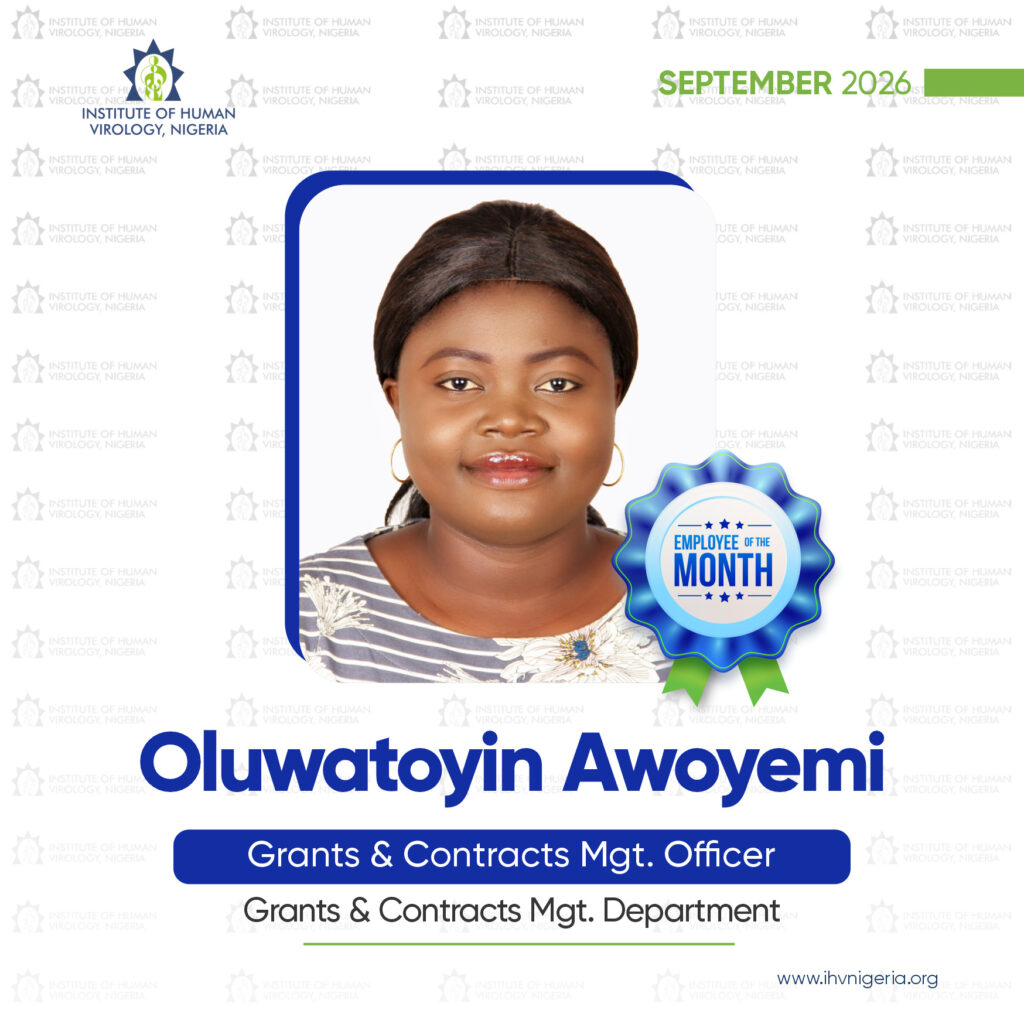
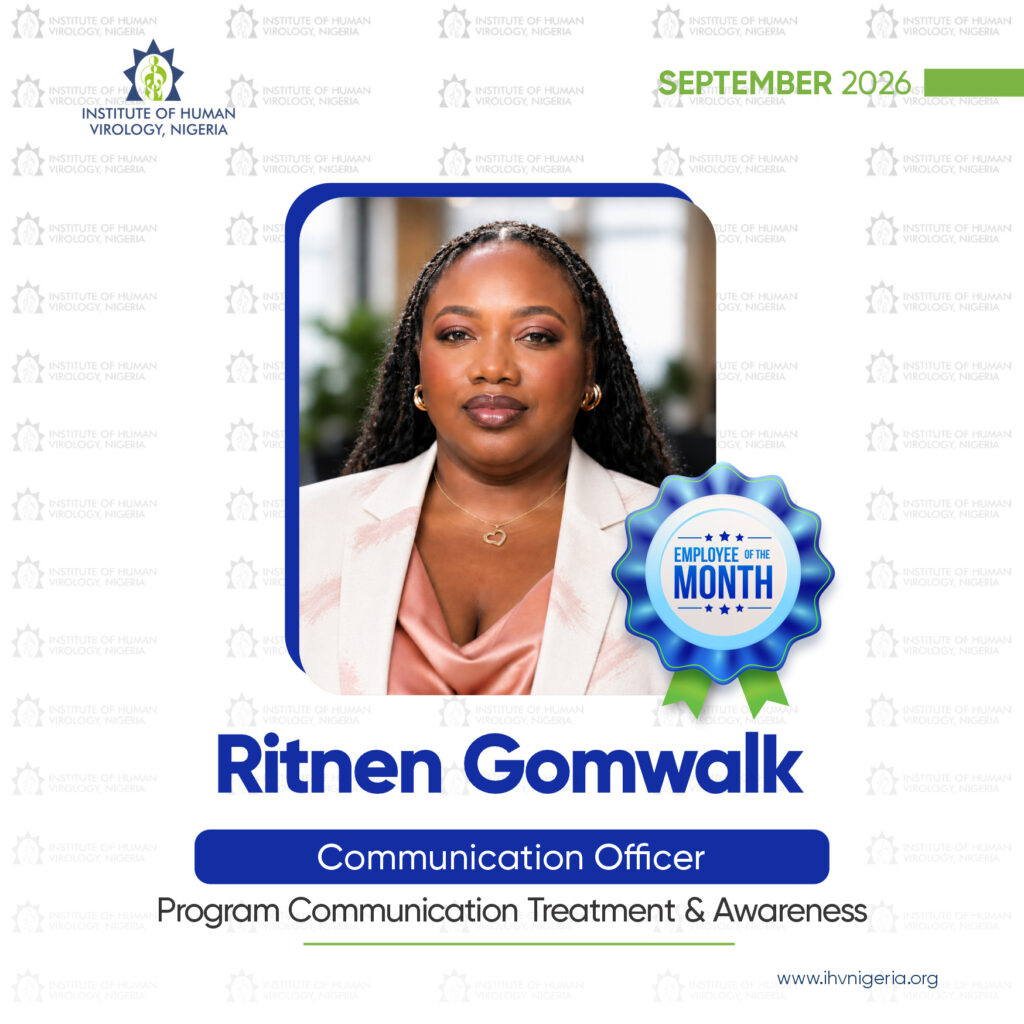
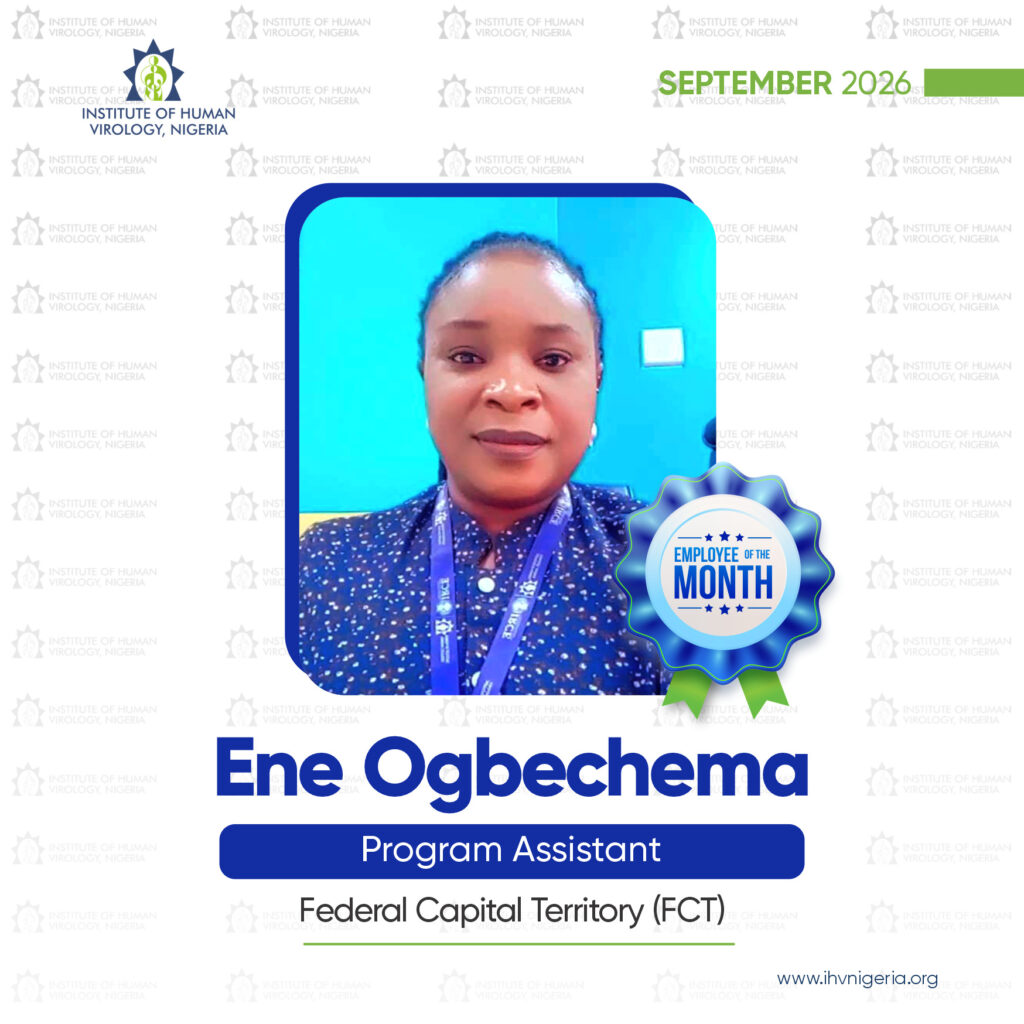
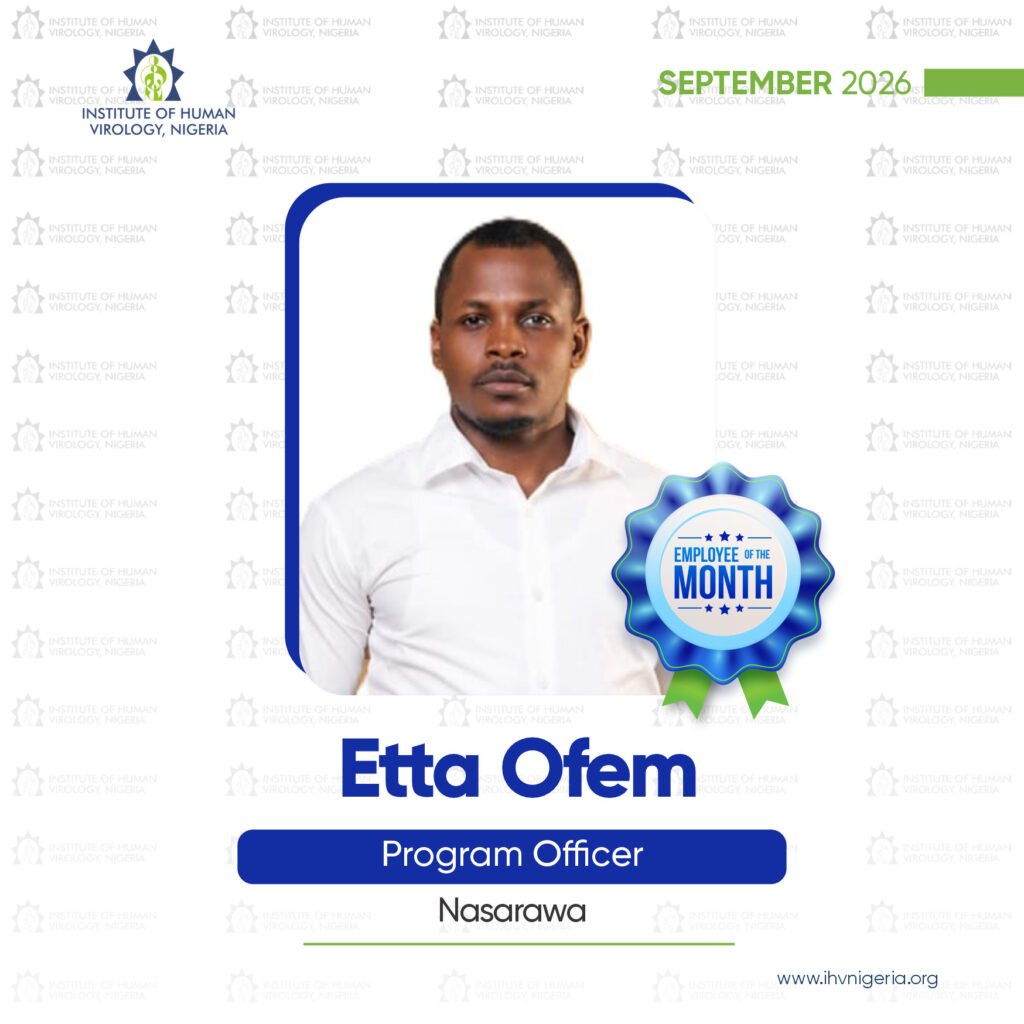
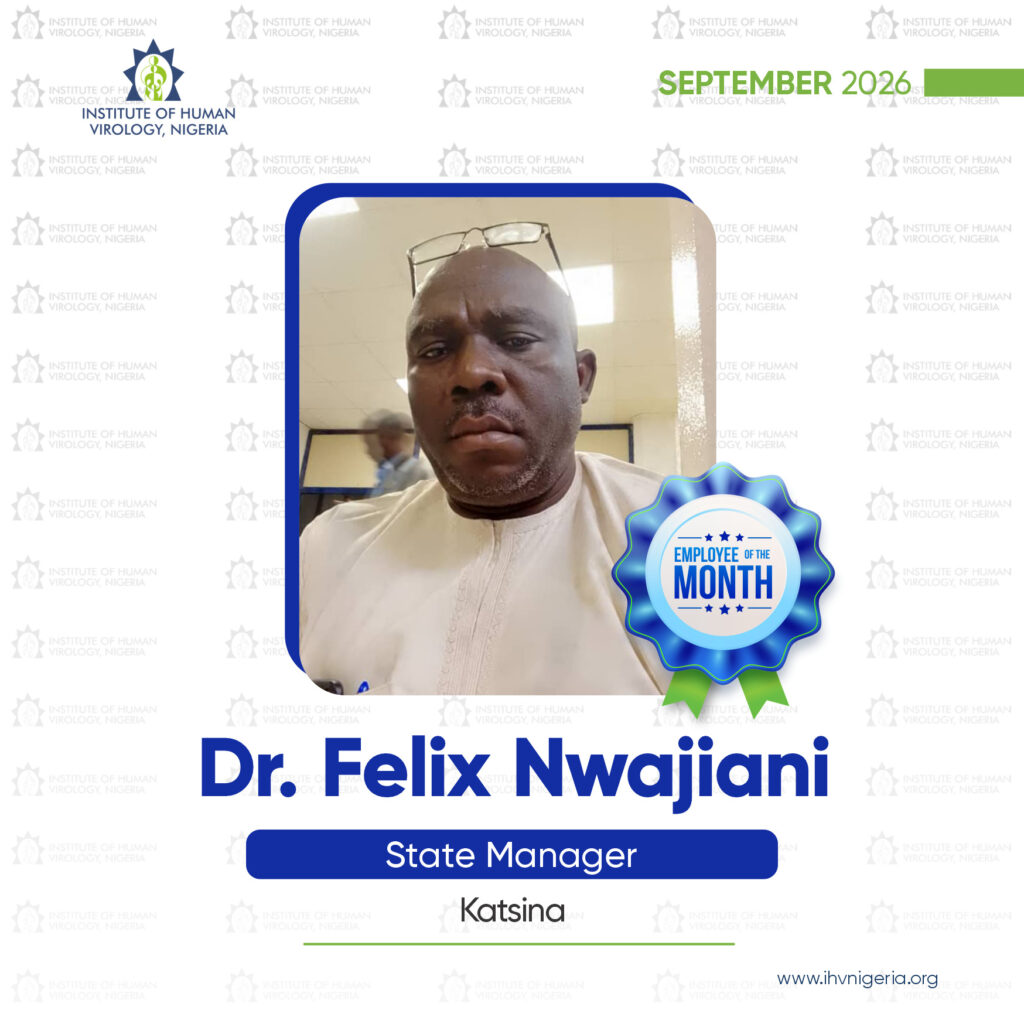
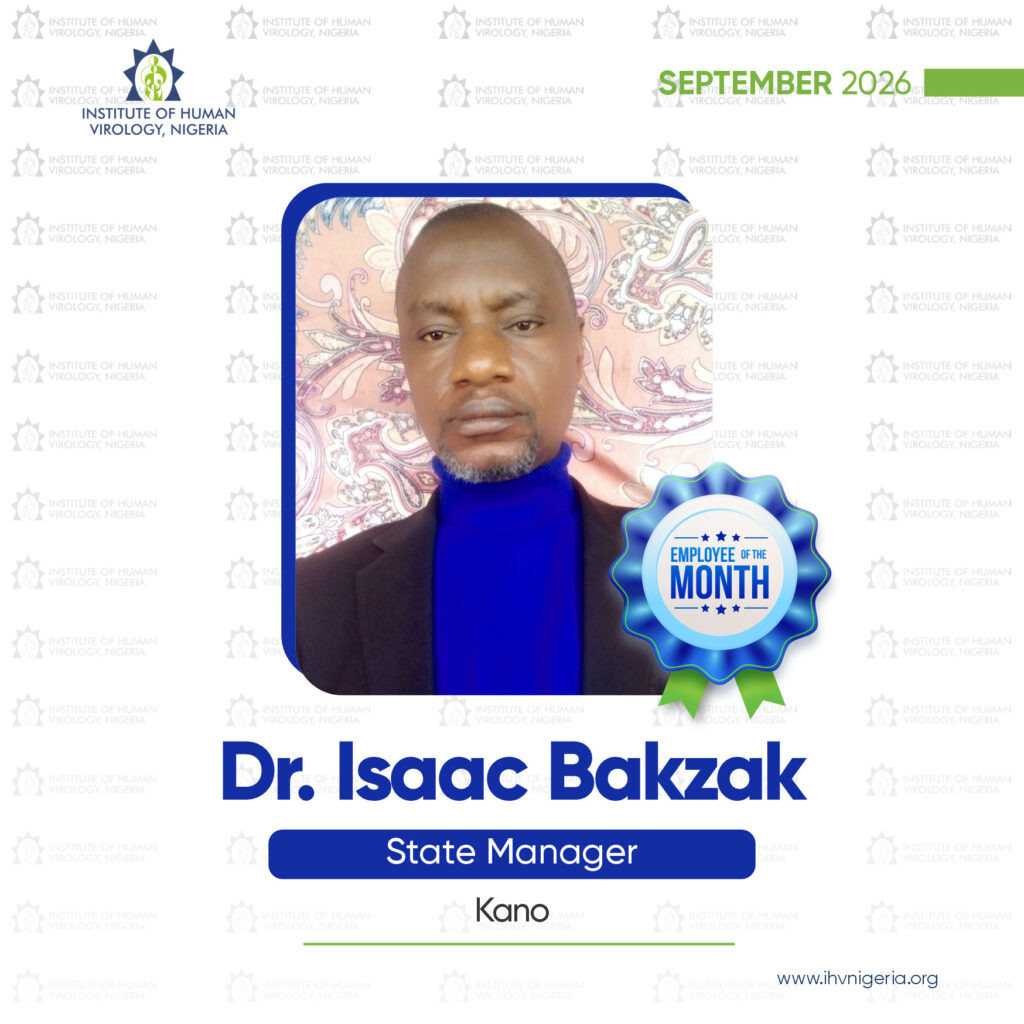
IHVN Celebrates September 2026 Employees of the Month
In fostering an excellent work culture and staff performance, the Executive Management of the Institute of Human Virology Nigeria (IHVN) has initiated the “Employee Recognition Awards” to recognize “Employees of the Month” and “Employee of the Year.”
According to Dr. Olu Alabi, the IHVN Director of Finance and Administration, this recognition encompasses overall employee performance in areas such as dress code, innovation, teamwork, productivity, efficiency, leadership, interpersonal skills, punctuality, and adherence to company values and principles, among other factors.
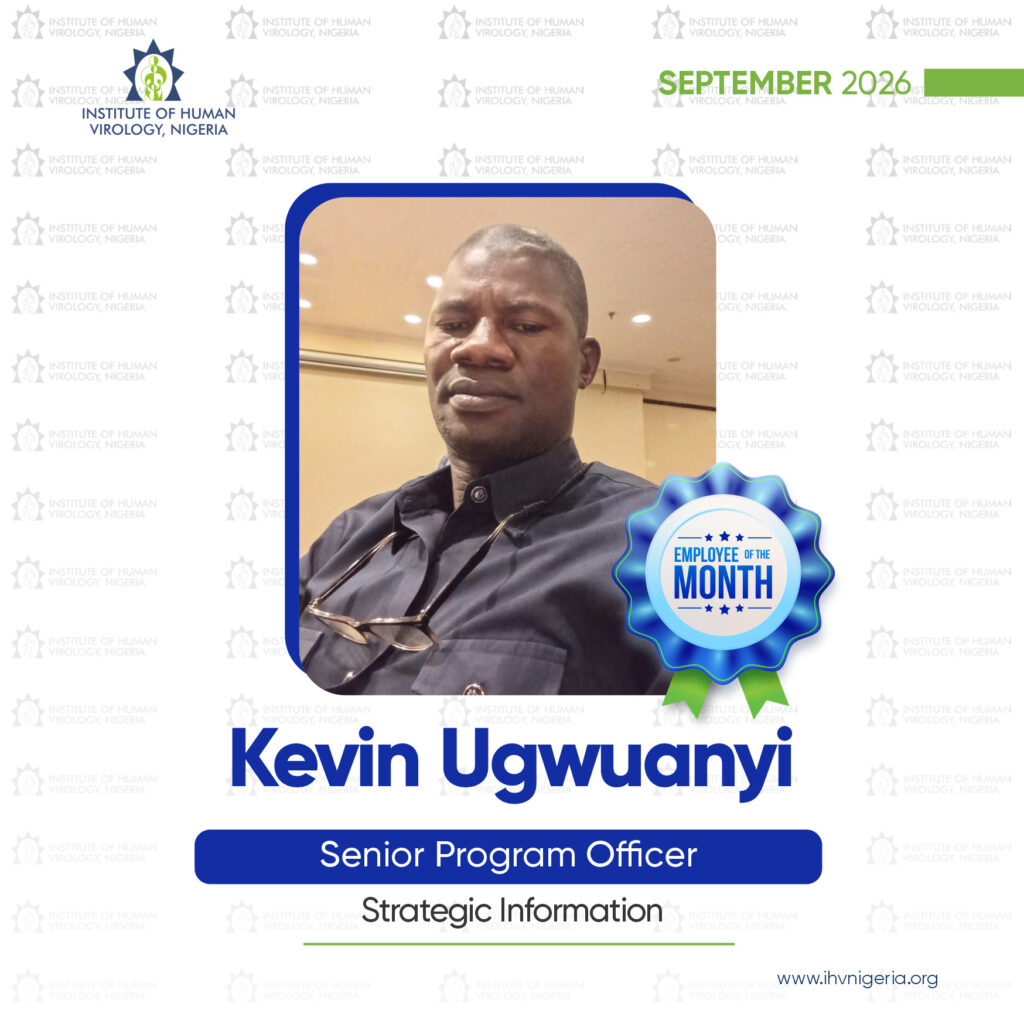
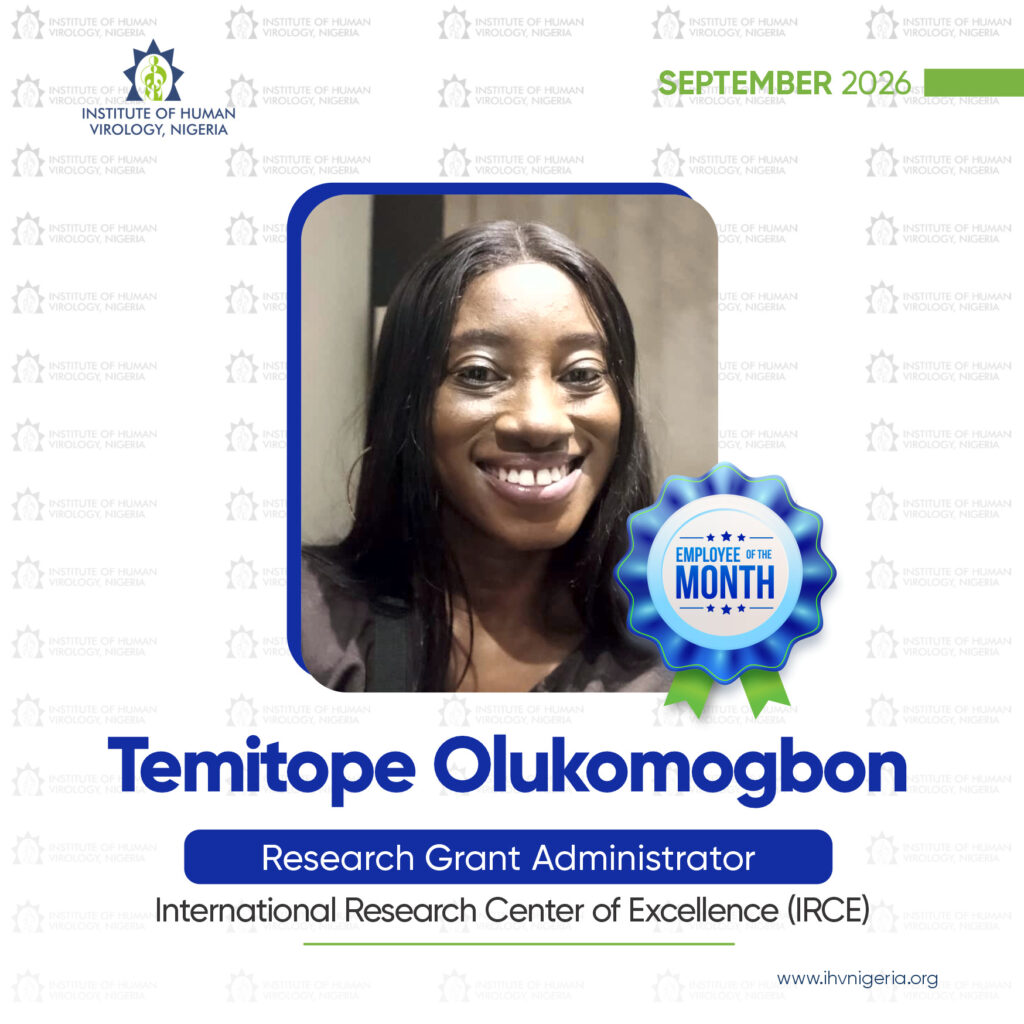
For September 2026, IHVN celebrates Kevin Ugwuanyi, Temitope Olukomogbon, Tyem Manji, Samuel Uruakpa, Oluwatoyin Awoyemi, Ritnen Gomwalk, Wada Israel, Ene Ogbechema, Etta Ofem, Dr. Felix Nwajiani and Dr. Isaac Bakzak, whose performance stood out in their teams.
Hearty cheers to our September star performers!
IHVN, FCMS Discuss Collaboration on Sustainable Health Commodity Supply Chain Systems
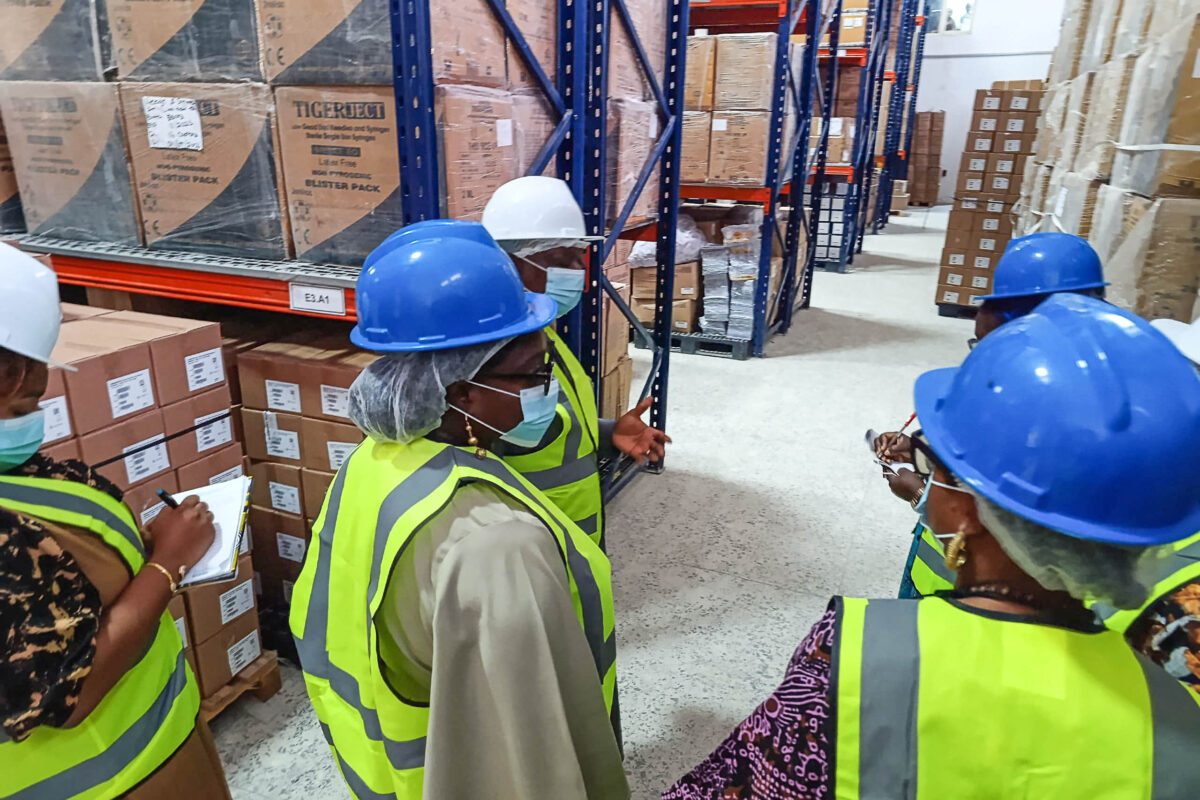
The Chief Executive Officer of the Institute of Human Virology Nigeria (IHVN), Associate Professor (Dr.) Patrick Dakum, has paid a courtesy visit to the Federal Central Medical Store (FCMS), Oshodi, Lagos, to strengthen collaboration and explore practical solutions for improving warehousing, commodity management, and distribution of essential health products.
The visit provided an opportunity for IHVN and FCMS leadership to jointly assess the realities affecting warehouse operations and identify immediate and long-term measures to strengthen the country’s health commodity supply chain. Discussions centered on integration, sustainability, accountability, innovation, transition, and country ownership, with particular emphasis on ensuring that commodities are efficiently managed and delivered to the facilities and communities that need them.
“Integration” was a central theme of the engagement. Dr. Dakum stressed the importance of integrating HIV, tuberculosis, and malaria commodities, logistics, data, and communication systems to improve visibility, optimize available storage space, reduce wastage, and facilitate timely distribution across the country.
During a tour of the warehouses, the CEO observed challenges and highlighted the need for a sustainable electronic inventory management system that can provide real-time visibility of commodities across the supply chain. Dr. Dakum advocated for a government-owned, interoperable, and cost-effective system that can be maintained beyond donor-supported interventions, including opportunities to leverage existing government platforms.
The Head of FCMS, Pharm. Lara Oderinde, welcomed the engagement and reaffirmed the facility’s readiness to work with IHVN and other stakeholders to strengthen integrated warehouse management and distribution. She highlighted persistent challenges related to staffing, infrastructure maintenance, funding, inventory management, waste disposal, and professional capacity, while emphasizing the importance of sustainable government investment in the facility.
Dr. Dakum reaffirmed IHVN’s commitment to supporting advocacy and stakeholder engagement around these priorities, particularly as the country advances toward increasing domestic financing and ownership of health programmes. He stressed that investments in warehousing, logistics, infrastructure, human resources, and digital systems must be designed for long-term sustainability and responsible use of both government and partner resources.
The engagement further strengthened the collaborative relationship between IHVN and FCMS and created a platform for continued dialogue, advocacy, and coordinated action. As preparations for Global Fund Grant Cycle 8 (GC8) advance, the insights from the visit will inform efforts to strengthen warehousing and distribution systems, promote domestic resource mobilization, and support a more resilient, integrated, and sustainable health commodity supply chain in Nigeria.
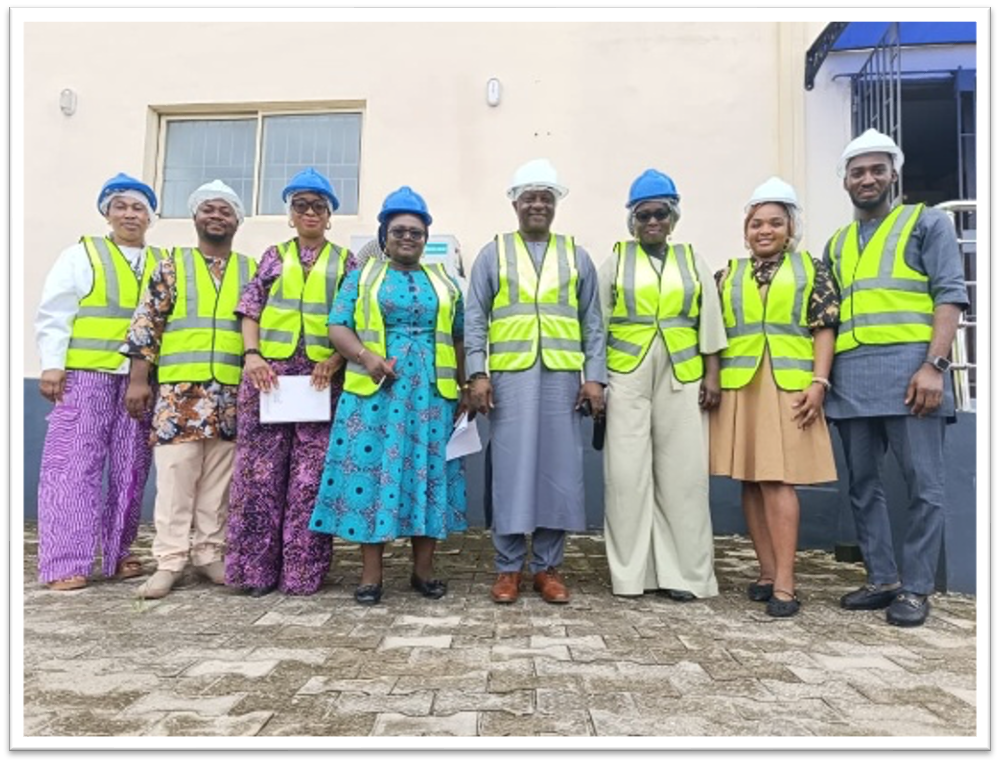
Pictures showing A. The IHVN CEO (Dr. Patrick Dakum) meeting with the Head FCMS and her team in their conference room. B. The IHVN CEO, the Head FCMS, her team, and staff of the IHVN Lagos team for a group photograph in the required safety gear ahead of the warehouse inspection and its operations.
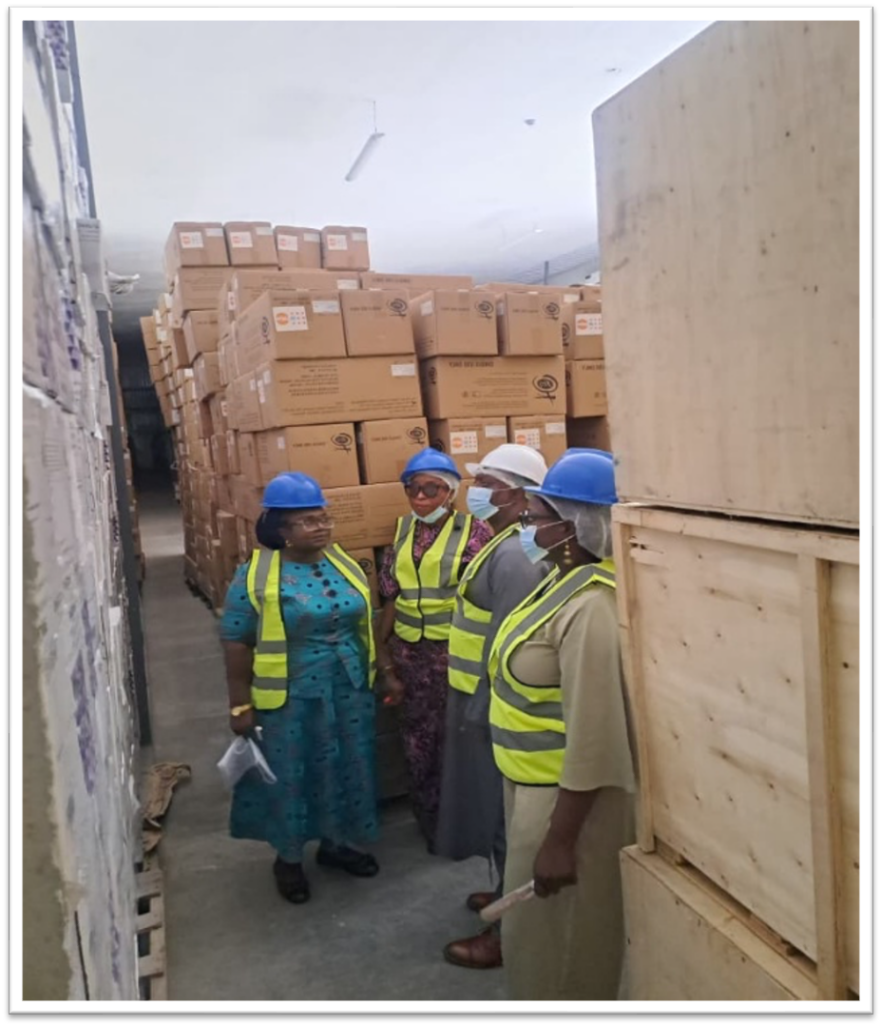
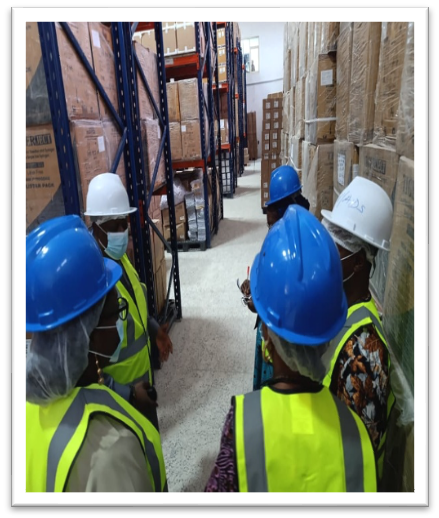
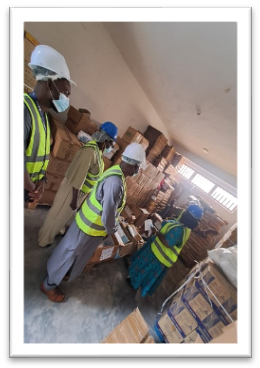
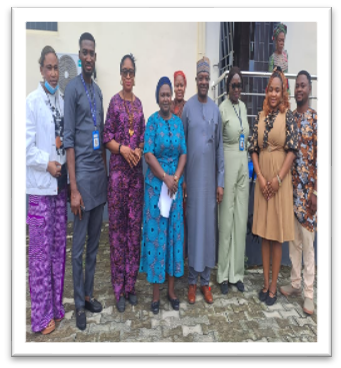

Pictures showing procession the IHVN and FCMS teams for the inspection tour and inspection of the storage room which requires shelving racks for improved organization, accessibility, and storage of smaller commodities, Dr. Patrick Dakum signs the warehouse register at each site. Post facility tour picture with the CEO IHVN signing out.
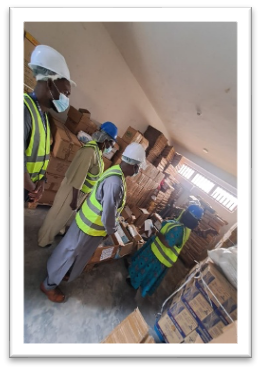
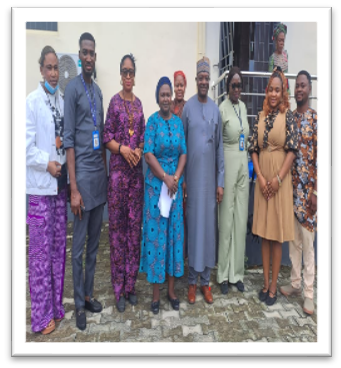

Samples of commodities, including an IHVN-procured commodity labelled with key inventory details such as expiry date, batch number, and quantity, alongside UNFPA condoms pre-labelled for distribution to Kano State prior to delivery to the Federal Central Medical Store (FCMS).