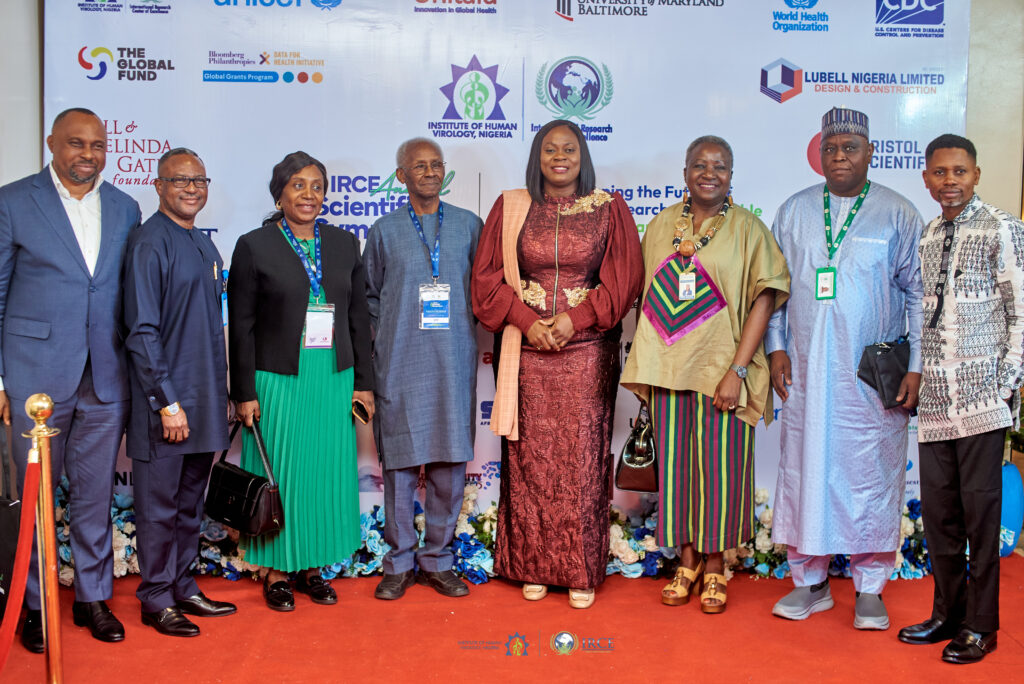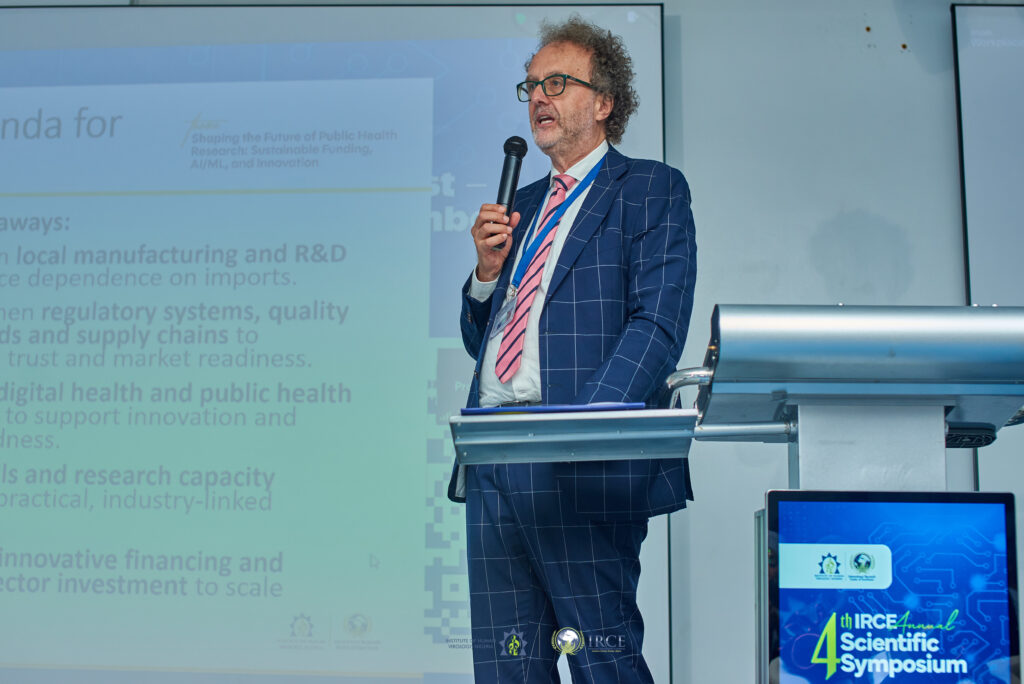
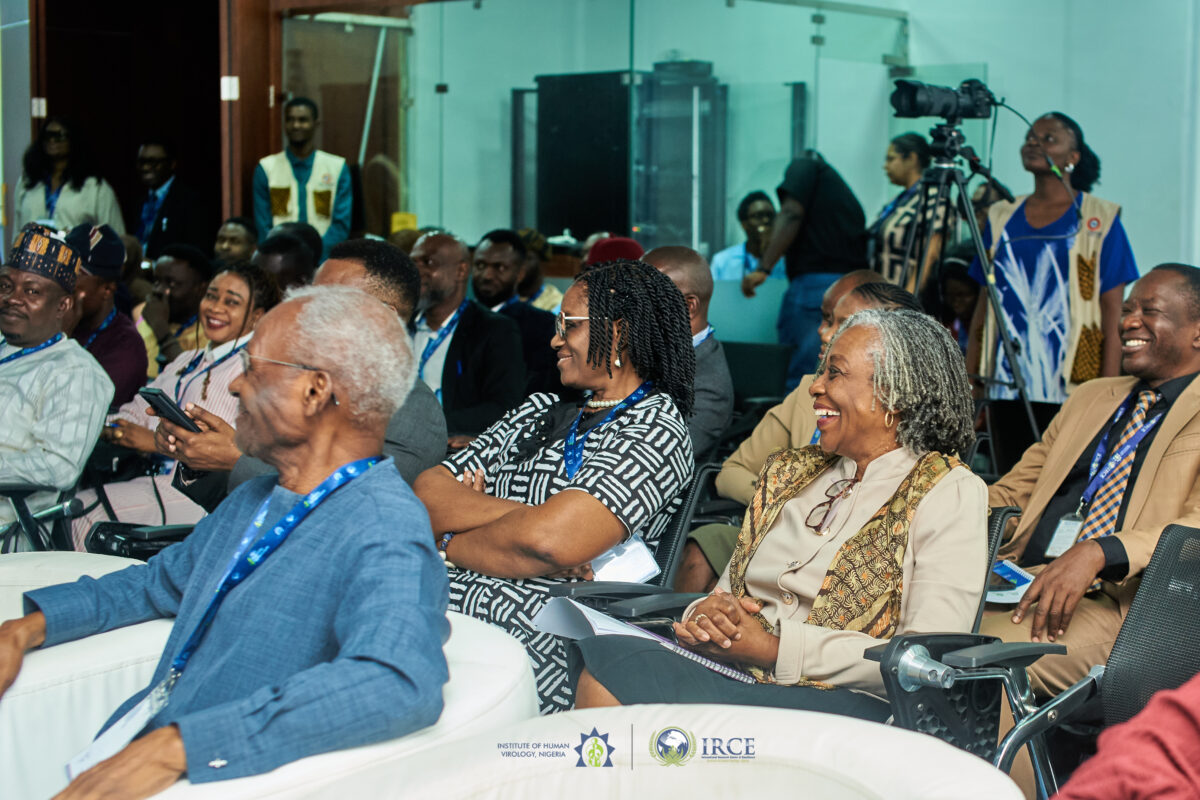
The International Research Center of Excellence (IRCE) at the Institute of Human Virology Nigeria (IHVN) is calling Data Managers and Analysts, Public Health Researchers, Clinicians , Monitoring and Evaluation Personnell, Postgraduate Students and Government and non-governmental organization staff to maximize the Early Bird Discount of 10% for its upcoming Public Health Data Analysis Training Course (PHDAT)
IRCE Program Manager Research, Dr. Nifarta Andrew who made this call in Abuja said that the Early Bird Discount is open till February 28th for all interested.
“This means that interested applicants can pay ₦315,000.00 instead of ₦350,000.00 for the five day certified training scheduled for 4th to 8th May, 2026,” she said. Dr. Andrew added that regular registration for the course will close on March 31st, 2026.
The Data Analyst explained that training participants will gain skills and knowledge on epidemiological Study Designs, Data Visualization Using R, Descriptive and Inferential Statistics, Correlation and Regression Analysis amongst other areas.
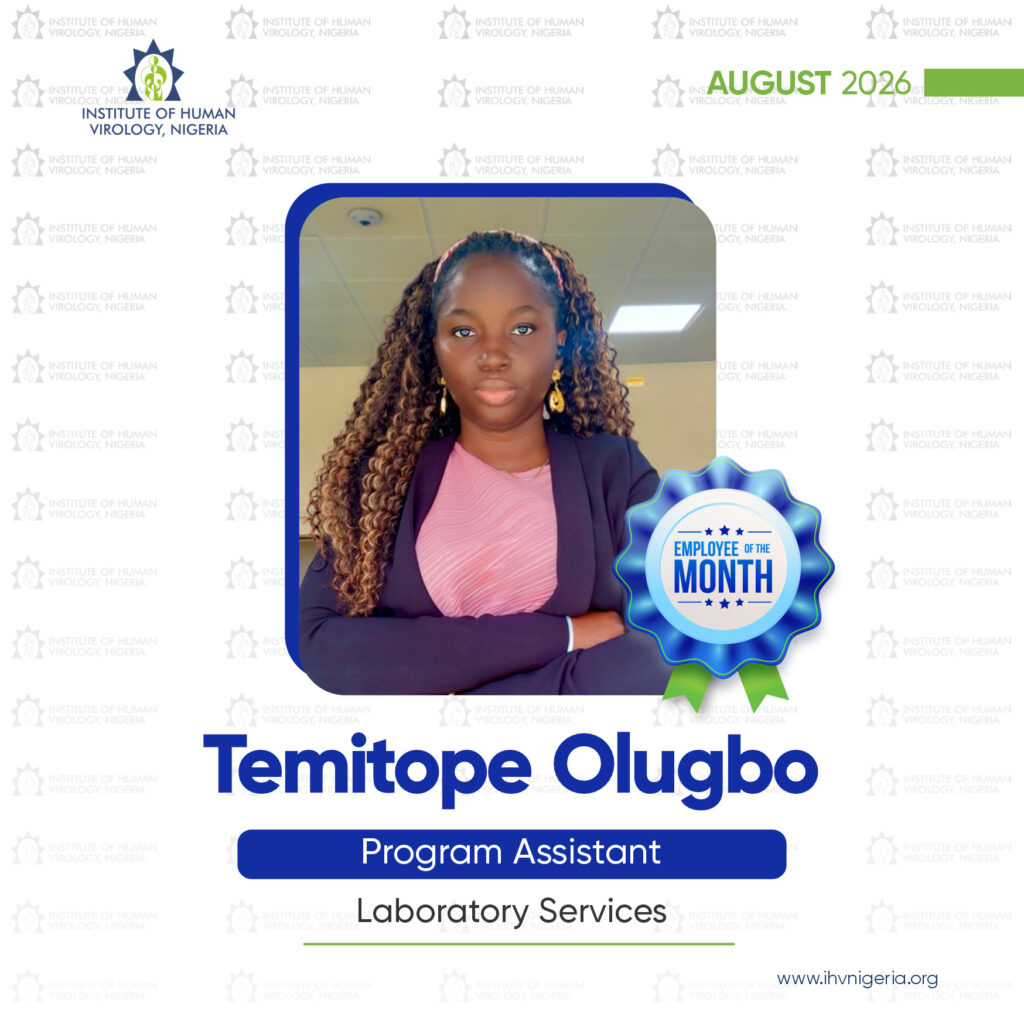
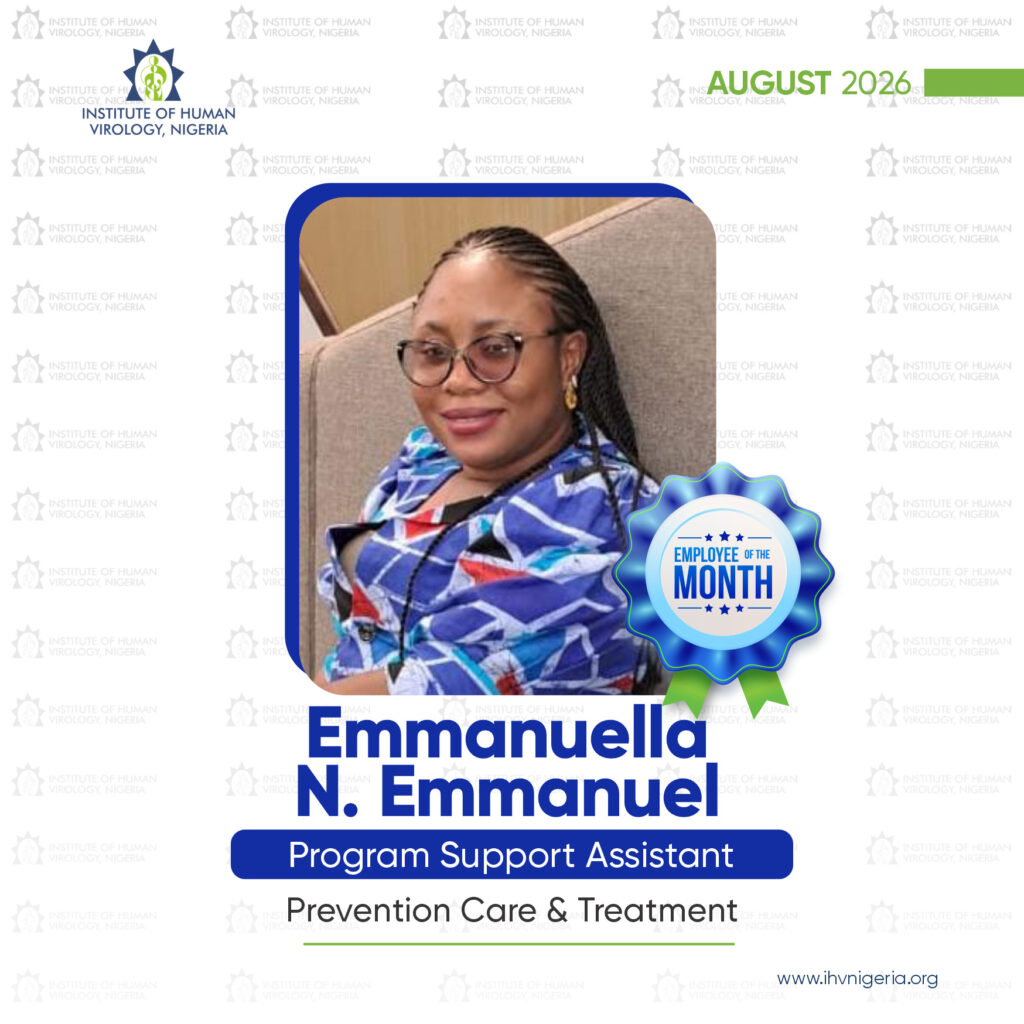
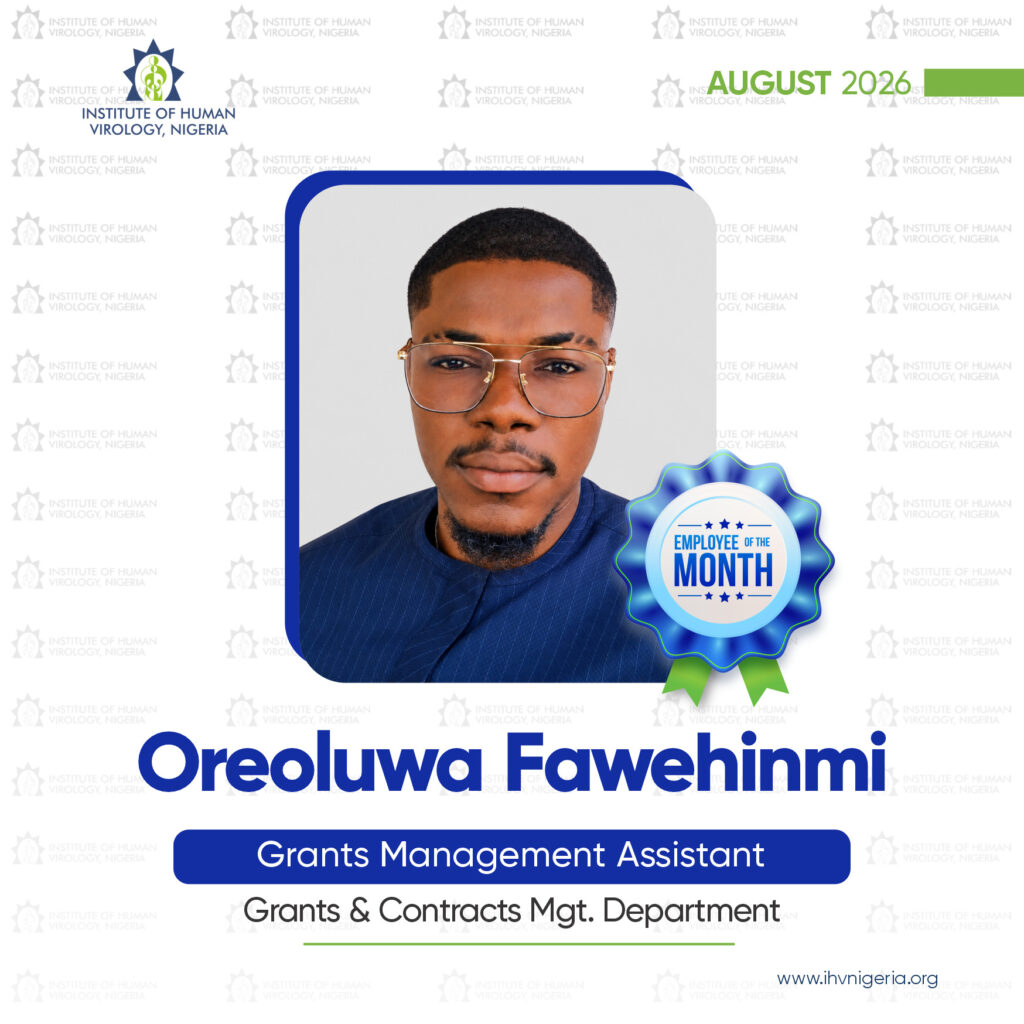
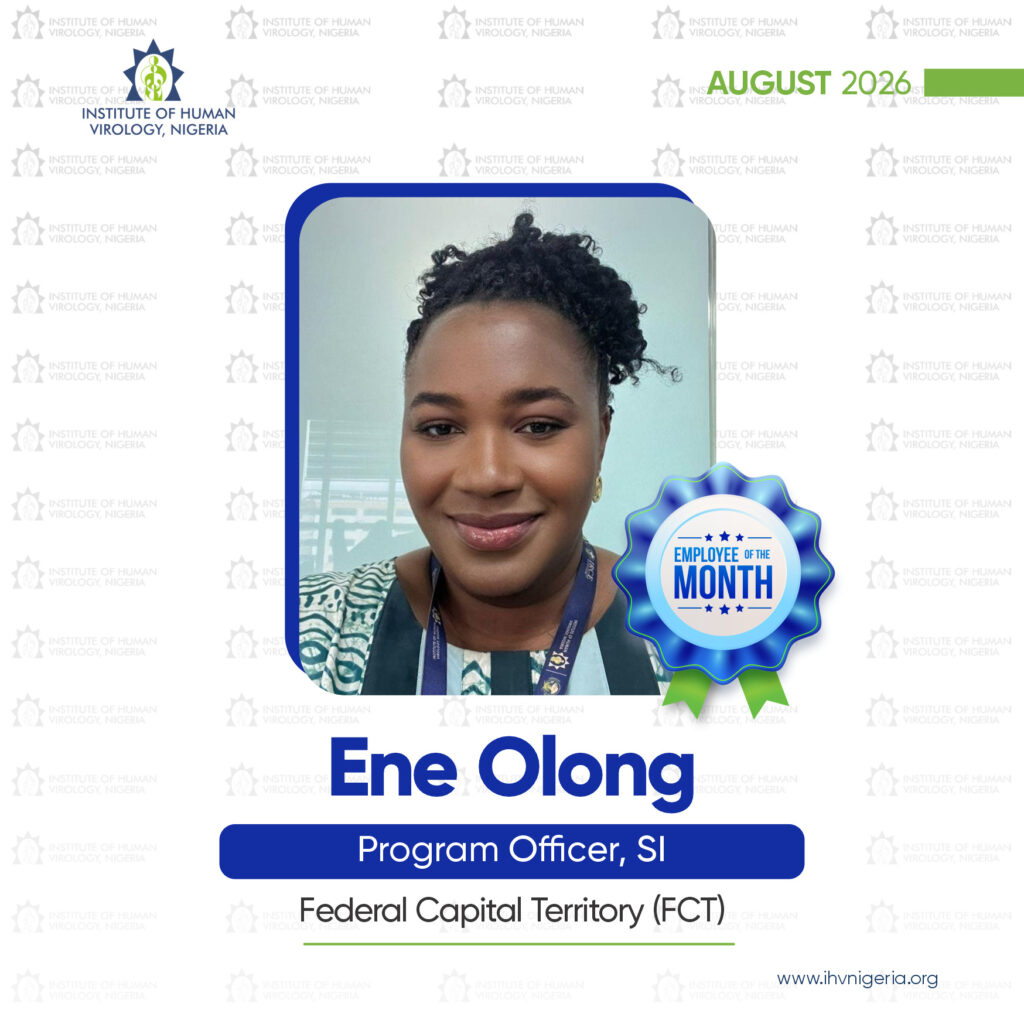
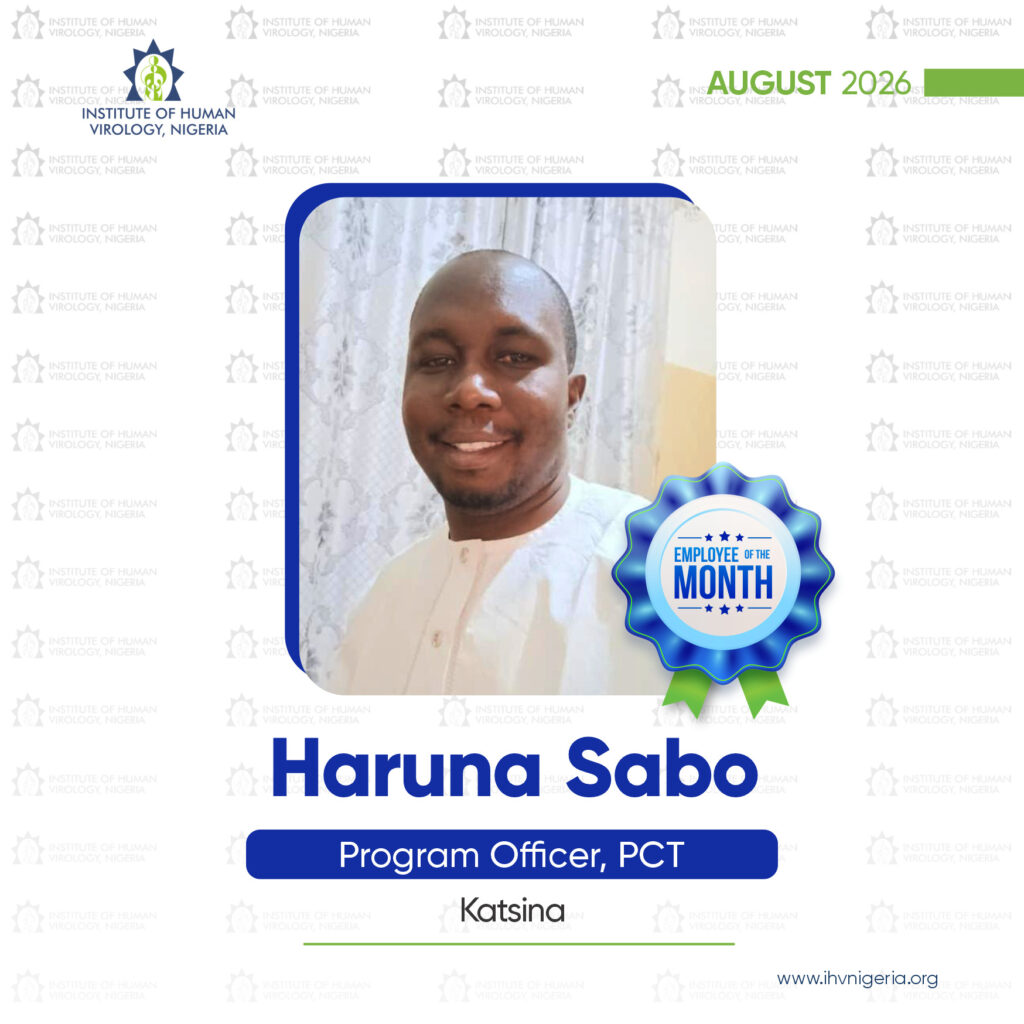
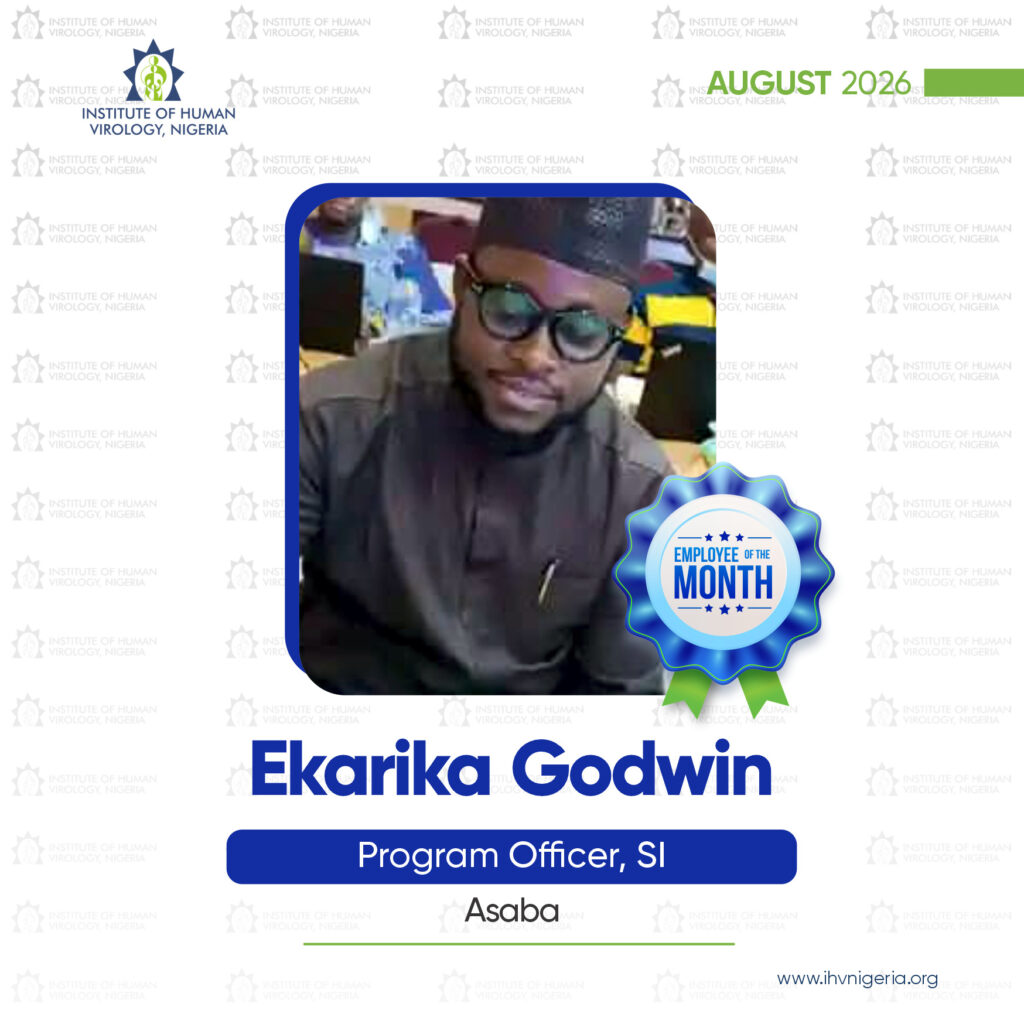
In fostering an excellent work culture and staff performance, the Executive Management of the Institute of Human Virology Nigeria (IHVN) has initiated the “Employee Recognition Awards” to recognize “Employees of the Month” and “Employee of the Year.”
According to Mr Olu Alabi, the IHVN Director of Finance and Administration, this recognition encompasses overall employee performance in areas such as dress code, innovation, teamwork, productivity, efficiency, leadership, interpersonal skills, punctuality, and adherence to company values and principles, among other factors.
For December 2025, IHVN celebrates Anthony Nwokoma, Douglou Paul Samuel, Ayomide Olumefun, Victoria Olorunfemi and Jwan Panshak Dampak, whose performance stood out in their teams.
The Institute of Human Virology Nigeria (IHVN) has launched a five-year project aimed at empowering 1,200 vulnerable households in Katsina and Nasarawa States by promoting sustainable agriculture, malaria prevention, and healthy nutrition practices.
At the launch which held simultaneously in the two states, project beneficiaries received livestock such as pigs, goats and chickens, along with tools, seeds and capacity building for livestock and crop farming. The households were also trained on nutrition, financial management through Village Savings and Loan Associations (VSLA) and malaria prevention activities.
According to the Project Director at IHVN, Dr. Victoria Igbinomwanhia, the Institute is collaborating with the Ministry of Agriculture and Food Security, the Ministry of Health, community-based organizations and community leaders to equip, guide and supervise the benefitting households for sustainable agricultural and health practices.
“This project builds on our years of public health project implementation and care for people infected and affected by HIV, including orphans and vulnerable children. We are currently providing HIV services in four states. We picked two out of the four states as the focus states for this project based on empirical evidence of vulnerability of the households. Some of our considerations were the poverty index, malaria and HIV prevalence. We conducted a vulnerability assessment and picked the most vulnerable homes – 400 in Katsina and 800 households in Nasarawa State.”
Dr. Igbinomwanhia added that the project aims to improve the resilience of the households.
“We will be conducting food demonstration trainings using locally available food items. Community workers will be supporting this activity from house to house after the flag-off training. The beneficiaries will also be taught soap making to support water, sanitation and hygiene practices.
The households have been categorized into three agricultural groups, 200 households for livestock farming, 400 for home gardening and 600 for community farming to grow vitamin and protein rich crops to promote healthy nutrition.”
She explained that in addition to the livestock and seeds, beneficiaries are also being given pots for planting, animal shelter, medications for livestock and fertilizer.
“In partnership with the government, we have trained community workers and will continue supervising farming activities and teaching new farming techniques for better yield.”
She said that the project is also collaborating with 13 health facilities for easy referral of malaria and severe malnutrition cases.
Community worker, Oluwayemisi Adeniji said that she has high expectations that the knowledge gained by the beneficiaries will improve the health and nutrition of all the households involved.
“We are expecting that the empowered households will share the knowledge and skills gained with their community members. Learning is a continuous process. We will be following up with them to ensure that they put their skills to practice.
Project beneficiaries, 35-year-old Marakisiyya Yusuf and 42-year-old Sulieman Mashi from Daura Local Government Area in Katsina State said that the skills gained from the kick-off training have been beneficial.
“I have learned how to use the Village Savings and Loans Association to save for the future. I will start a savings group in my community with my friends and neighbors at Tudun Wada,” Marakisiyya said.
Sulieman is also eager to start a savings group and teach is wife how to cook balanced nutritional meals with the knowledge gained from the food demonstration activity.
The project is being implemented by IHVN with funding support from BMZ/Gesundes Africa.
Project Director, Dr. Victoria Igbinomwanhia hands presenting livestock to a project beneficiary in Katsina State NigeriaProject Beneficiaries receive poultry and tools as empowerment to strengthen food security.Households participate in a nutrition training session at Daura Local Government Area, Katsina State.
The International Research Centre of Excellence (IRCE) at the Institute of Human Virology Nigeria (IHVN) has opened registration for a five-day intensive Public Health Data Analysis Training course scheduled for 4th to 8th May, 2026 in Abuja.
Course participants will gain hands on capacity in R-programming and master epidemiological and statistical methods for analyzing real world public health data.
Data Managers, analysts, public health researchers, clinicians and monitoring and evaluation personnel can apply. Applications are also welcome from post-graduate students, government and ministry staff and non-governmental organization staff.
A common thread that runs through the lives of many women living with HIV who have received prevention of mother-to-child transmission of HIV (PMTCT) services is the joy of having HIV free babies.
Institute of Human Virology Nigeria (IHVN) provides PMTCT services in Katsina state since 2004 with support from the US Presidents Emergency Plan for AIDS Relief (PEPFAR) through Centers for Disease Prevention and Control (CDC).
“Over the past seven years in Katsina State, more than 1,800 HIV-exposed infants whose mothers received PMTCT services have remained HIV-free,” says IHVN Katsina State Maternal, Child Health Lead, Mrs. Farida Salisu Maiadua.
Mrs. Maiadua says that pregnant women are regularly counselled to support adherence to their medications as prescribed.
“In our supported facilities, all women living with HIV of reproductive age are screened for pregnancy during every hospital visit. This is to rule out pregnancy as early as possible to start PMTCT. Their viral load is regularly monitored as stated in the National Guideline. Mentor mothers in health facilities constantly call and visit them to check on their health and follow-up on their hospital appointments. Before delivery of their babies, we ensure that the preventive medications are available and encourage them to come to the facility for an early infant diagnosis test within three days of delivery.”
Asides these steps, she adds that the Institute encourages early and exclusive breastfeeding for six months, and breastfeeding for 12 months.
Though from different backgrounds, ages and with different stories, women who have gone through PMTCT have smiles on their faces.
28-year-old Jemila A. is one of the women who have benefitted from these services. When she knew about her HIV positive status in 2021, she was single and afraid that she would not get married because of her status. She was however encouraged by the counselling she received at the hospital. Jemila did not just get HIV services in the hospital; she met her husband there!
The adherence counsellor linked them both and they interacted regularly at support group meetings. Their love story is still unfolding, and Jemila’s excitement is that she has a HIV free baby girl.
“I was counselled constantly about how to live healthy with my status and take medications at the right time. The mentor mothers were with me at the labour room. They’ve been guiding me on when to come for tests for the baby. My baby’s next test will be when she turns 9 months old. With the help I’ve received, I now encourage pregnant women who don’t like going to the hospital to do so. I’ve even escorted some to the hospital,” Jemila says.
Dalhatu E., a tailor, is another woman who has received PMTCT services.
“My baby is now six weeks. I feel so happy when I look at her. The staff in the hospital are friendly; they don’t stigmatize me so I’m always happy coming here. For nine years, I’ve been living with HIV. My husband also supports me though he is not HIV positive,” 40-year-old Dalhatu says.
Dalhatu’s baby is one of the 72 HIV free babies delivered in General Hospital Katsina between October 2024 and November 2025.
Nafisa B. also has a nine-month HIV free baby. Nafisa has lived with HIV for more than 11 years and is now an advocate to women to visit the hospital for a HIV test and regular checks especially during pregnancy.
“This is the 3rd baby that I have received PMTCT services for and she is HIV free,” Nafisa says with a smile.
Jemila, Dalhatu and Nafisa all receive support from mentor mothers who guide them through the process of HIV prevention during pregnancy, delivery and till their babies are about two years old.
IHVN Supported Mentor Mother Nuratu Sani says she is happy when she can assist her peers during pregnancy, antenatal care, delivery and care for the baby.
“Two of the women I supported named their children after me,” she said beaming with delight.
“I guide women living with HIV through all the required hospital tests and support them through receiving all the available services like adherence counselling, proper documentation, amongst others. I am friends with all the pregnant women living with HIV who come to this facility,” she explains.
IHVN Katsina State Manager, Dr. Felix Nwajiani says taking HIV services to the community to enhance prevention of mother-to-child transmission of HIV services remains key.
“We work with health facilities to provide comprehensive HIV services including antenatal care and PMTCT services across all the 34 local government areas in Katsina State. Beyond providing these services in the facilities, our community PMTCT program which targets unconventional settings like the traditional birth attendants. Usually, traditional birth attendants in the state are not culturally known to conduct ANC. Therefore, to reach communities despite the insecurity in the state, IHVN is leveraging on the existing structure of roving midwives who are indigent and are professionally trained to conduct ANC and can penetrate the nooks and crannies of each LGA. They were supported with training and logistics to cover more communities and it is working awesomely,” he reveals.
Katsina State Maternal Neonatal and Child Health Focal Person, Mrs Zainab Sherrif Abdulkadir says that the State government is partnering with IHVN to sensitize communities about PMTCT.
“We tell them the importance of antenatal care, and HIV testing. The state government provides free test kits for pregnant women. The state also provides free antenatal care and delivery services for pregnant women. We have regular outreaches to the local governments with First Lady of Katsina State, Hajiya Zulaibat Dikko Umaru Radda to create awareness about PMTCT and give pregnant women free mama kits with delivery essentials. We like the work the mentor mothers are doing with women living with HIV for linkages and other services and believe this will be sustained. Free HIV babies in Katsina State are the goal and this is being achieved,” Mrs. Abdulkadir adds.
Katsina State MNCH Focal Person, Zainab Sherrif Abdulkadir and IHVN Katsina MNH Lead, Farida Salisu MaiaduaMentor Mother Nuratu Sani assisting a PMTCT beneficiary with required hospital tests during her visit to IHVN supported General Hospital KatsinaPMTCT Beneficiary Jemila A, takes her baby for an Early Infant Diagnosis Test at IHVN supported General Hospital Katsina