• Working Hours - Mon - Thu: 8:00 - 17:00; Fri: 8:00 - 14:00
What are you looking for?

Author Archives: admin

Support Group Empowers Adolescents to Live Healthy with HIV

More than 9,000 adolescents who receive care in health facilities supported by the Institute of Human Virology Nigeria (IHVN) are committing to healthy choices with help from peer support groups. 

The Operation Triple Zero (OTZ) support groups promote zero missed appointments, zero missed drugs, and zero viral loads and were established by IHVN in 2019 with funding support from the US President’s Emergency Plan for AIDS Relief through the Centers for Disease Prevention and Control (CDC). Currently, OTZ groups are operational in the Federal Capital Territory, Nasarawa, Katsina, and Rivers States.

At the University of Abuja Teaching Hospital Teaching Hospital (UATH), OTZ meetings begin with a pledge,

“I pledge my loyalty to myself by myself, my readiness and duty to defend my health, my devotion to zero missed appointments, zero missed drugs, and zero viral load.”

24-year-old Miriam Onu says that the meetings restored her hope when she discovered that she is HIV positive.

“When I came to the meeting, I saw that I am not the only one living with HIV and that HIV does not define me. It has been very helpful knowing that I am not alone and I am still worth every good thing despite my status. Here at the meetings, I get advice on adhering to my medication so that it can work better.”

During the meeting, Miriam also learned that she could chase her dreams. She has started sewing clothes and is pursuing a sociology degree with hopes of studying for a master’s degree and becoming a professional therapist.

“I want to impact lives like I was impacted. People need people to talk to especially these days that times are hard,” she adds.

To share what he has learned with others, Salvation. O is creating short videos and sharing them through his social media accounts.

”I can remember back then when I was not taking my medications, my viral load was high and I used to receive frequent calls from the hospital about taking medications. Meeting peers at the support group encouraged me to change my attitude towards taking medications. I now counsel people using myself as an example. I even recorded a song about HIV and tuberculosis. I am impacting lives with music. Some people will get the message better when they listen to it.”

Aside from listening to music and health talks, the adolescents play games and interact with each other during meetings as they wait for their doctor’s appointments.

Precious Ehud, a peer mentor, works with the Association of Positive Youths in Nigeria (APYIN), which has been engaged by IHVN to coordinate the provision of care services to adolescents.

She says that the adolescents are grouped into younger (10–14-year-olds) and older adolescents/young persons (15 to 24-year-olds) for age-appropriate counseling on HIV prevention, adherence to medications, and other issues. Precious encourages adolescents “not to lose hope because living with HIV is not a death sentence. You can achieve your goals.”

She adds that being a peer OTZ Champion built her confidence. She speaks to more than 40 adolescents who gather at OTZ meetings monthly and attend clinic weekly. Precious’ dream is to become an accountant, caterer, and make-up artist.

UATH Social Worker and Counsellor, Mrs. Theresa Otu supervises the provision of adolescent services and meetings in the hospital. She says that the adolescents interact freely outside the walls of the hospital and this has helped them adhere to their medications.

“The meetings help them to bond. They care for each other. As they are growing, we have some of them getting married to people outside the support group who are aware of their status. Last month, we went to the wedding of one of them. I was so happy, I was even the Mother of the Day. Some married ones are coming back for counseling on prevention of mother-to-child transmission services,” she adds smiling.

IHVN Adolescent Services Lead, Ms. Franca Akolawole says that Operation Triple Zero (OTZ) is a differentiated model of care targeted at improving treatment outcomes in Adolescents and Young People Living with HIV (AYPLWHIV) aged 10 – 24 years.

“This asset-based intervention enables adolescents, young people, their caregivers, and health workers to aspire to better HIV treatment goals. UNAIDS data reported an estimated 120,000 adolescents aged 10 – 19 years living with HIV in Nigeria in 2019. IHVN currently provides HIV care and treatment to about 9,603 adolescents Living with HIV (ALHIV) across its supported States. Adolescents living with HIV are faced with various challenges related to changes in their bodies and living with HIV. They therefore need services that are tailored to their unique challenges,” she says.

Ms Akolawole explains that, “ IHVN in collaboration with the Association of Positive Youth in Nigeria (APYIN) provides adolescent and youth-friendly health services including the scale-up of Operation Triple Zero Strategy both at the facilities and community level also plans to scale up the community activities in the new fiscal year in collaboration with the orphans and vulnerable team.”

Institute Partners Journalists to Improve Health Outcomes

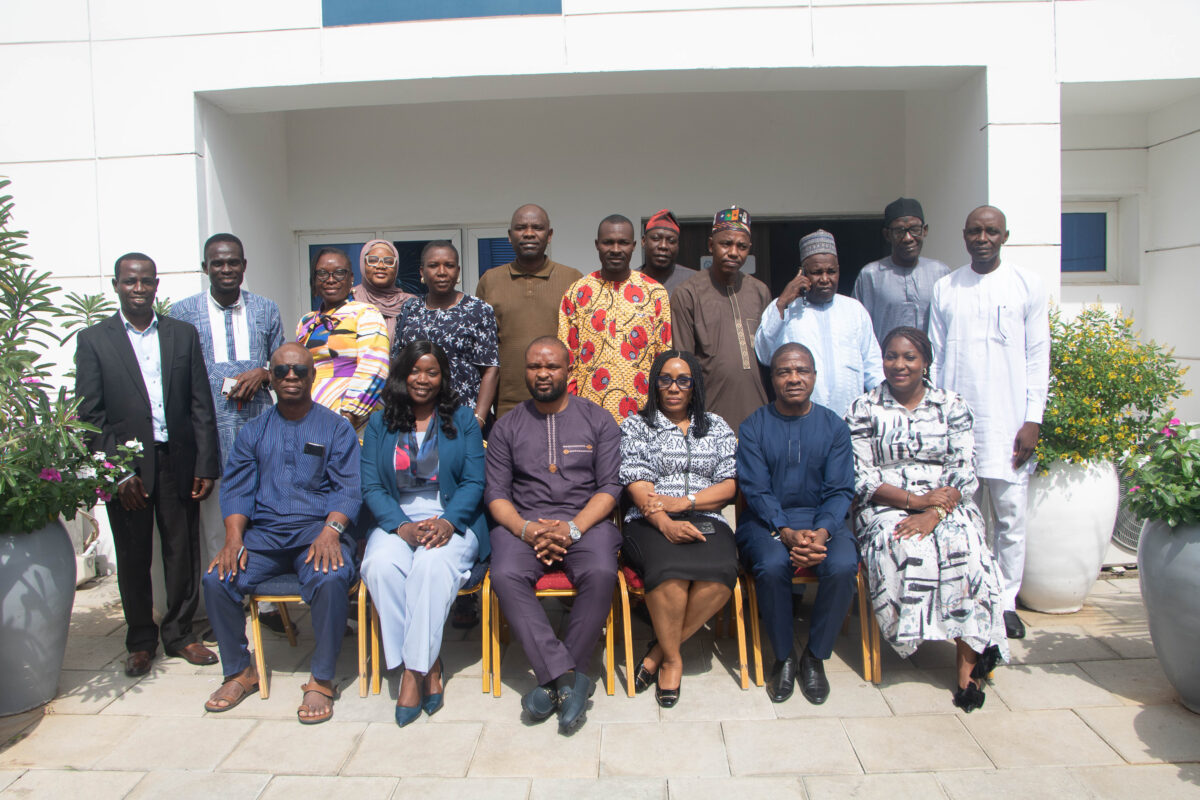
The Institute of Human Virology Nigeria (IHVN) has partnered with the Association of Nigeria Health Journalists (ANHeJ) to inform health journalists about prevailing health issues for factual reporting and public sensitization.

At the opening ceremony of the 8th Annual ANHEJ conference in Abuja, IHVN Chief Executive Officer, Dr. Patrick Dakum commended the journalists for their consistency in sustaining a forum for the press and stakeholders in the health sector to gather, deliberate on pertinent issues, and forge a way forward for better health in Nigeria.

Dr. Dakum who was represented by the IHVN FCT Technical Lead, Dr. Charles Imogie, said that the conference theme, “Sector Wide Approach Effectiveness in Addressing Poor Health Outcomes: The Role of the Media” is timely.

“The importance of collaboration to strengthen health systems and leave no one behind cannot be overemphasized. The media plays an invaluable role in informing and educating the public about utilizing available free health services in hospitals and communities. This is just a tip of the iceberg when one considers other roles of the media like holding the government accountable to its people and encouraging better domestic funding for health programs and research,” he said.

ANHeJ President, Mr. Joseph Kadiri said that the conference will examine critical health programs and policies aimed at improving health outcomes for Nigerians.

“The Sector Wide Approach (SWAP) was introduced to address challenges of inadequate funding, inefficient resource allocation, and poor service delivery. However, SWAP’s effectiveness relies heavily on the active engagement of various stakeholders including the media. As journalists, we play a vital role in promoting health awareness, education, and advocacy. Through our reporting, we can hold stakeholders accountable, provide a platform for marginalized voices, and promote evidence-based health information and best practices,” Mr. Kadiri added.

Also at the event, the Permanent Secretary of the Ministry of Health and Social Welfare, Daju Kachollom, reaffirmed its commitment to working with the media to promote health awareness, counter misinformation, and ensure transparency and accountability within the health sector.

About 30 health journalists from various media houses participated in the conference which held in Abuja.

PEPFAR Global AIDS Coordinator Commends IHVN, MDH

The US President’s Emergency Plan for AIDS Relief (PEPFAR) Global AIDS Coordinator, Amb. Dr. John Nkengasong has commended the Institute of Human Virology Nigeria (IHVN) and Maitama District Hospital for providing quality prevention, care and treatment services to about 3,000 people living with HIV in the Federal Capital Territory.

Dr. Nkegasong said this during a supervisory visit of the PEPFAR Office of Global Health Security and Diplomacy to the hospital.

“PEPFAR is proud to stand with those in need. Maitama District Hospital and IHVN is working to prevent HIV infections. The work you are doing is lifesaving. We are happy to see that PEPFAR is making a difference in their lives,” he said.

Dr Nkengasong was represented by the Deputy Coordinator for Program Quality of the Office of  Global Health Security and Diplomacy (GHSD), Dr. Kainne Dokubo who toured the HIV service delivery points at the hospital and interacted with women living with HIV who have benefited from prevention of mother-to-child transmission services.

Earlier, IHVN Chief Executive Officer, Dr. Patrick Dakum said that PEPFAR support through the US Centers for Disease Control and Prevention (CDC) has ensured that 72 HIV-exposed babies whose mothers accessed HIV services in the facility in the past year are HIV-free.

“It is a privilege to have you with us. We thank you for funding the HIV program through taxpayers money to provide lifesaving treatment for many. We are also grateful to CDC for the profound technical support and guidelines.”

The Chief Medical Director of Maitama District Hospital, Dr. Rita Idemudia also thanked the visitors for supporting HIV services in the facility and expressed her desire for more collaboration to improve health delivery to clients. She said IHVN has collaborated with the hospital for 17 years.

The visiting team included the CDC Global Division Director HIV and TB, Dr. Hank Tomlinson, PEPFAR Acting Deputy Coordinator, Ms Jasmine Buttolph and PEPFAR Country Coordinator, Funmi Adesanya. The USCDC Nigeria team led by the Acting Country Director Dr Susanne Theroux

Ondo State, IHVN Partner on Malaria Prevention and Treatment

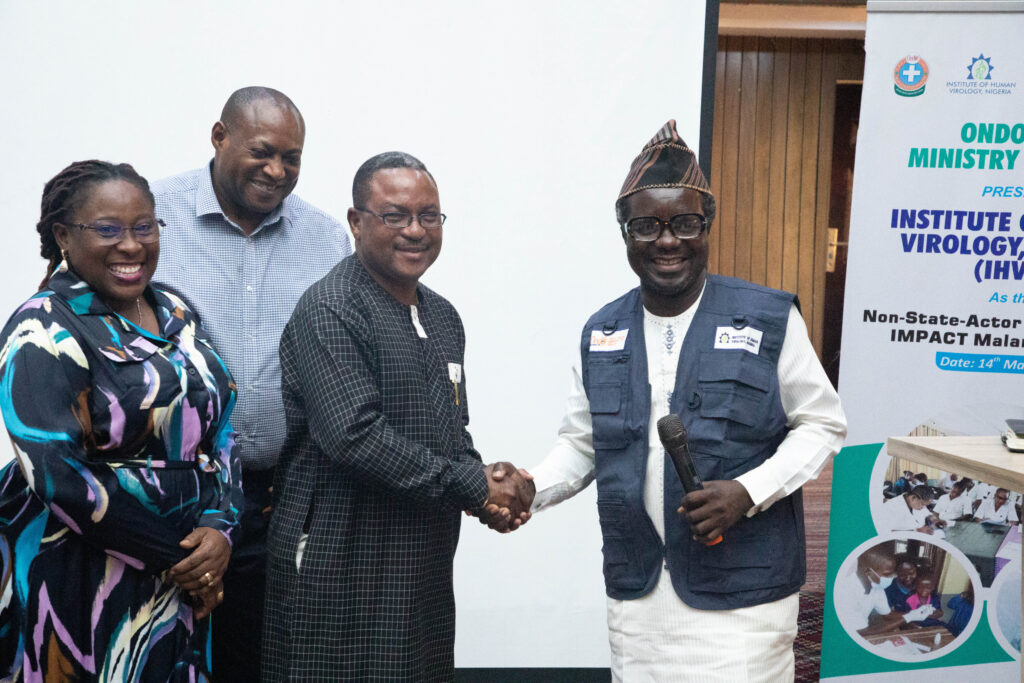
To curb mortality of pregnant women and children under five, the Ondo State government and Institute of Human Virology Nigeria (IHVN) have commenced implementation of the Immunization and Malaria Progress by Accelerating Coverage and Transforming Services (IMPACT) Project in the state.

The project which is funded by the World Bank will promote the use of Long-Lasting Insecticide Treated Nets (LLIN) by pregnant women and children under five years of age, strengthen the case management skills of both public and private providers on the Integrated Management of Childhood Diseases (IMCI) and sensitize households on the use of Intermittent Preventive Treatment of Malaria in Pregnancy (IPTp) and Seasonal Malaria Chemoprophylaxis (SMC).

At an onboarding of community-based organizations deployed to the 18 Local Government Areas for sensitization activities, Ondo IMPACT Project Manager, Dr Folayan Abolaji said that the goal for the project is to reduce under-five mortality in the state by 40%, from 15 per 1000 live births to less than 10 per 1000 live births.

“Also, for pregnant mothers, we want to prevent mortality amongst them and reduce the burden of malaria scourge among the general public. It is a project bringing several levels of interventions into the malaria program to give us a desirable outcome,” he said.

Dr. Abolaji added that survey findings from previous distribution of Long-Lasting Insecticide Treated Nets in the state showed excellent distribution of nets but poor utilization to prevent malaria.

“This program will see to it that while making provision for necessary interventions, commodities, and drugs, we engage CSOs and CBOs that will propagate and increase the utilization of these services because if they are not properly engaged, all that we have used a lot of money to make provision for will be wasted. We don’t want that to happen.”

He urged the CBOs to make the state proud by working in tandem with the mandate and terms of reference given by IHVN.

IHVN IMPACT Project Chief of Party, Dr. Temitope Kolade, noted that the Institute will closely collaborate with the state to achieve its set targets.

“We are working with local community-based organizations to ensure that we gain ownership and easy acceptance of the project in the state. We are also going to work with the existing community structures, the gatekeepers, ward development committees, and local government structures.

One of the key messages that the CBOs will be passing across is how to prevent malaria. One of the new things that we have put into the design of this project is the social behavior change communication so that we are passing across knowledge for acceptance and cooperation of beneficiaries,” she said.

A representative from the participating Community-Based Organizations (CBOs) High Chief Akomolafe Pius from Knowledge Care Providers, said that the meeting exposed the CBOs to varied strategies to engage the community.

“Proper community engagement will inform proper project implementation. We have been enriched with the knowledge to be taken to the grassroots. Without appropriate knowledge, you won’t be able to deliver on goals, because you have to mobilize, inform, and convince the people in the local governments to imbibe the culture of health-seeking behaviour,” Chief Akomolafe added.